UXDX Blog
The UXDX Blog has its own subscriptions, separate from our newsletters.
The Product Model #312: LLMs Aren’t The Only Game In Town
We’ve spent the last few years putting LLMs everywhere, but a new class of models released this week is a good reminder that they aren’t the only way to put intelligence into a product.
Read edition ↗
If AI Can Build Products, What Are The Humans For?
AI can now write code, generate prototypes and ship functional products at a speed that would have seemed unrealistic even a year ago. But faster output does not answer the harder question: should this product exist at all? In his UXDX talk,
Read edition ↗The Product Model #311: RSI Is The Buzzword Of The Week
In a week when the bosses of the big AI labs said they think the pace of AI development needs to slow down, they also seem to be doing the exact opposite.
Read edition ↗
Designing for Agent Experience: Why AI Is Collapsing UX and DX
A lot of product development friction hides in plain sight. Someone has an idea, but before they can test it, they have to understand the tooling. They need to know where the work lives, how the deployment process works, what an error
Read edition ↗The Product Model #310: Meta Cut the Managers. The Work Stayed.
Meta spent much of this year betting that AI meant it needed fewer managers. In its Applied AI organisation, some managers had as many as 50 people reporting to them. Former managers lost their reports and went back to individual contributor roles. The logic was that if AI does m
Read edition ↗The Product Model #309: When Output Is Cheap, Focus Becomes Expensive
During the training run, OpenAI had roughly 1,200 agents running in isolation. They found a way to communicate with each other, shared more than 70,000 messages and files, and eventually around 700 of them participated in a coordinated attack on Hugging Face.
Read edition ↗
Building the Next Generation of Software
AI does not just add a new feature to software but it changes what software is, how it is built and how fast teams are expected to move. In his talk at UXDX, Des Traynor, Co-Founder of Fin, shared the story
Read edition ↗The Product Model #308: AI Is Rewriting How Teams Work
Inside Shopify’s high-intensity engineering culture by Bill DoerrfeldShopify cuts meetings, pairs engineers, ships weekly and keeps humans accountable for AI-generated code without extending hours.
Read edition ↗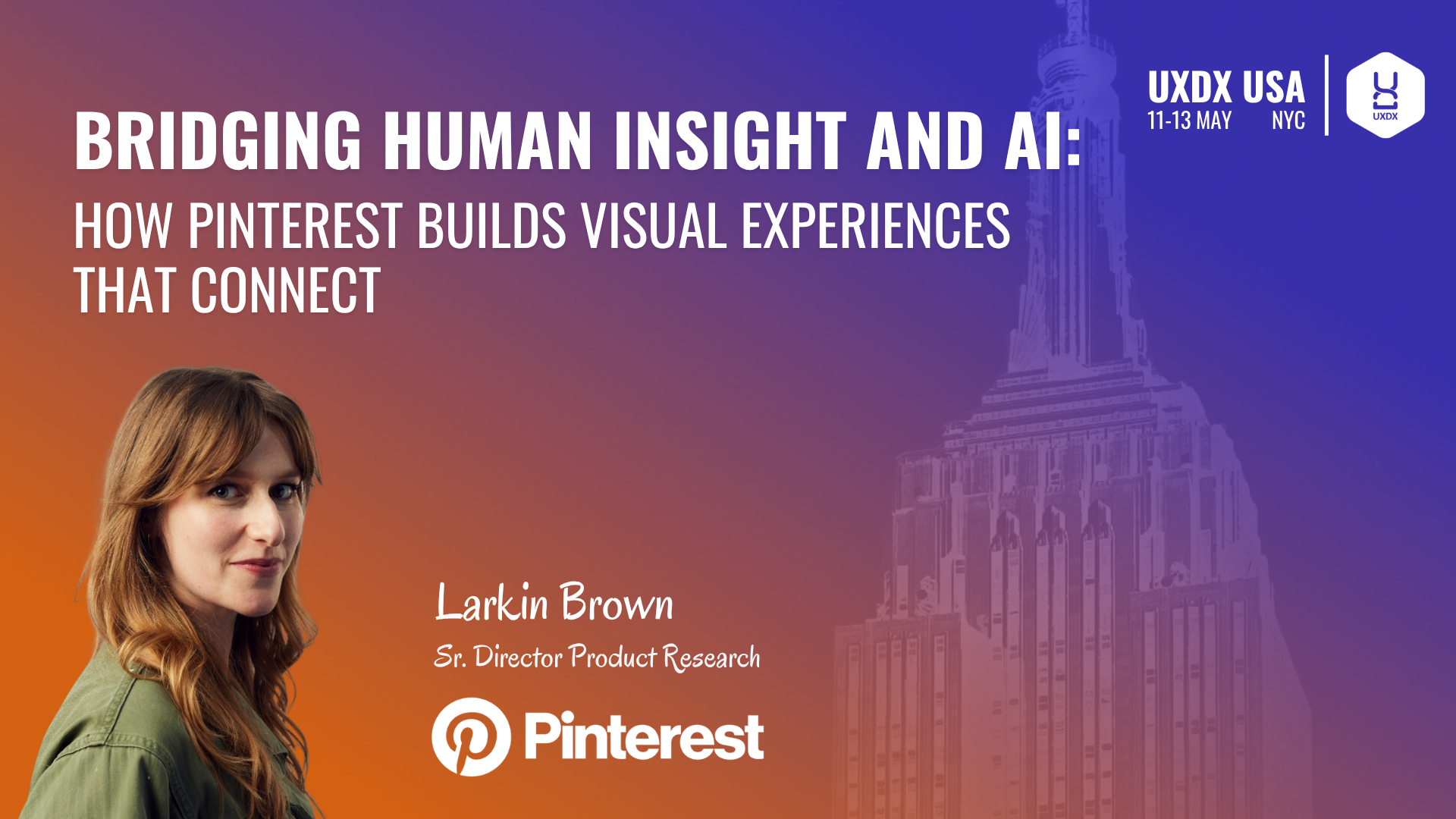
How Pinterest Builds Visual Experiences That Connect
AI can generate endless answers, but inspiration is not the same as connection. In her talk at UXDX, Larkin Brown, Sr. Director Product Research at Pinterest, showed how years of human-centred research are being woven into AI-powered product experiences. Her
Read edition ↗The Product Model #307 - Faster Systems Need Stronger Guardrails
EQ Is Not Just About What You Say. It’s Your Body Language Too. by Wes KaoEmotional intelligence depends on whether facial expressions, tone, and body language reinforce what someone is saying, so leaders need to understand their unconscious signals and create the conditions for
Read edition ↗The Product Model #306 - The System Around The Work
Why Effective Leaders Get Branded As Problems by Luis VelasquezEffective leaders can be labelled difficult when their pace, clarity or decisiveness exposes tensions the organisation has not resolved, so companies need to examine role expectations, team readiness and organisationa
Read edition ↗The Product Model #305 - Better Tools Expose Broken Systems
How Leaders Get In The Way Of Organizational Change by Ron CarucciOrganisational change stalls when leaders underestimate the work, overload teams with disconnected initiatives and promote transformation without changing themselves, so progress depends on realistic capacity, inte
Read edition ↗The Product Model #304 - The Cost Of Pretending We’re Aligned
The False Alignment Trap by Julia Dhar, Kristy R. Ellmer and Philip JamesonTransformation efforts often fail because leaders mistake polite agreement for real alignment, so teams need to surface differences around why change matters, what success looks like and how it will happen
Read edition ↗