The operating model for the AI era.
ZeroBlockers
Turn faster delivery into better outcomes.
AI makes software faster to build. Explore how to change ownership, decisions, funding and support so small teams can deliver what customers really need.
Explore the editions ↓The archive
Ideas for your next step.

Single Threaded Leaders: Breaking Through the KPI Prison
“Culture eats strategy for breakfast” is a phrase so often repeated that it risks becoming cliché. But it’s true. And this is never more obvious than when companies try to pursue a new direction while anchored to the KPIs, habits, and incentives of their current operating model.
Read edition ↗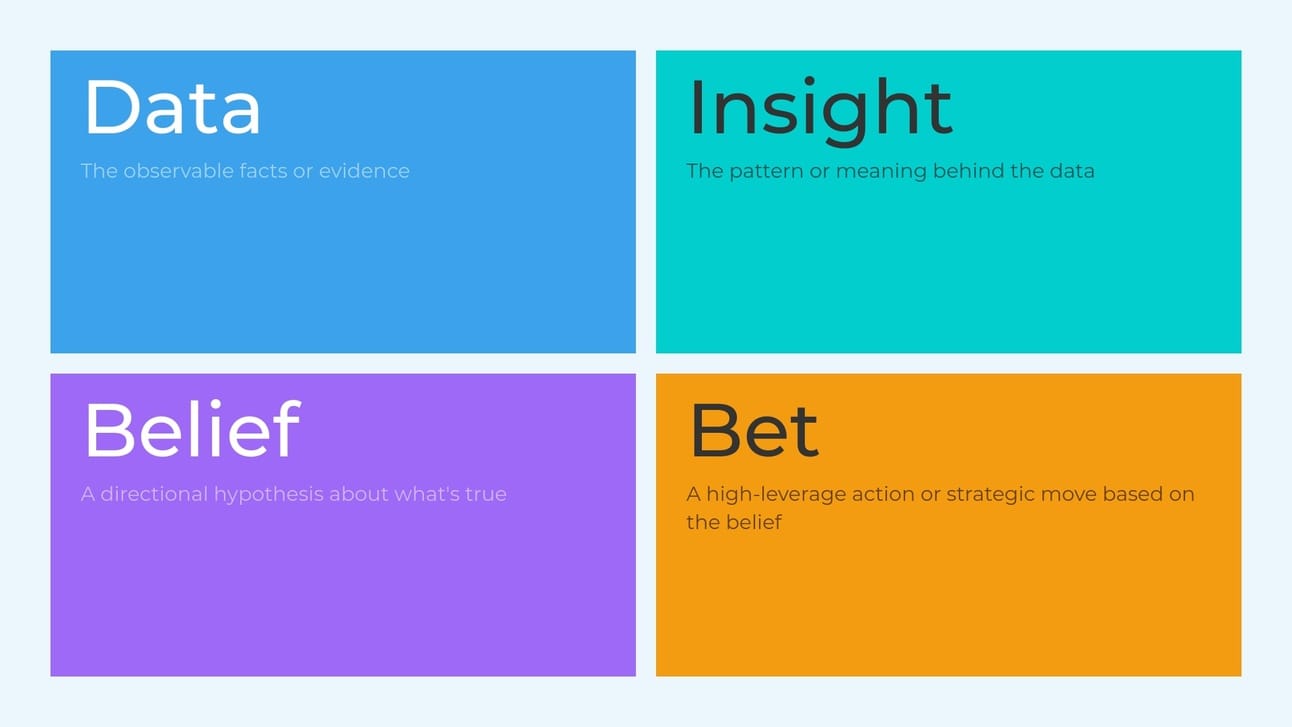
DIBB Framework: Empowering Strategic Decision-Making for Product Teams
Consider this scenario: Product metrics show rising churn rates. Previously, managers with access to sales and customer service data would define the necessary product changes. But companies have learned that top-down "solutions" often miss the mark. So you empower your team with
Read edition ↗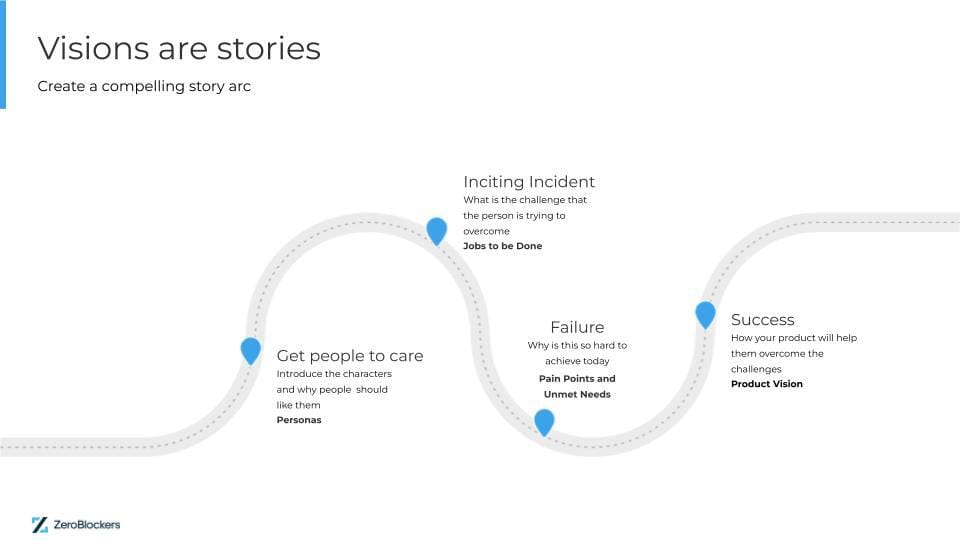
How to Create a Compelling Product Vision: A Step-by-Step Guide
The most effective product visions paint a vivid picture of how your customers' lives will be transformed by your product. Creating this kind of compelling vision requires a systematic approach that puts your customers at the center. By following four core steps, you can craft a
Read edition ↗
Analysing a Successful Product Vision: SpaceX
The video is structured in four distinct acts that mirror classical storytelling structures. Each scene serves a specific narrative purpose, building toward a conclusion that leaves viewers believing in the impossible.
Read edition ↗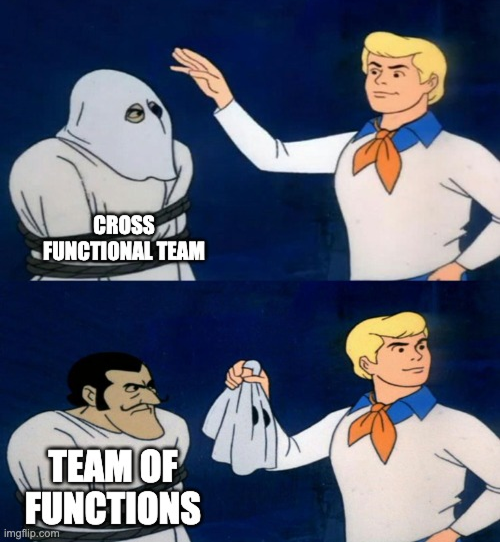
Cross-Functional Teams vs. Teams of Functions: The Hidden Difference That Defines High-Performing Product Teams
Behind the scenes, each function reports to a different manager, follows distinct processes, maintains functional KPIs, and works in strict handover sequences. In reality, these are teams of functions, not cross-functional teams. The distinction is subtle but it explains why so m
Read edition ↗
All Jobs Have Four Layers. AI Wants Three of Them.
If you work in product development, as an engineer, designer, product manager, or researcher, you're watching AI reshape your profession in real time. The question isn't whether AI will change your work. It's when, how much, and what you should do about it.
Read edition ↗
In an AI World, Truth Becomes Your Scarcest Resource
AI has made analysis abundant. You can model more scenarios, stress-test more assumptions, and surface more data than ever before. But there's a category of information AI can't provide: what's really happening on the ground, which assumptions are wrong, and what people aren't te
Read edition ↗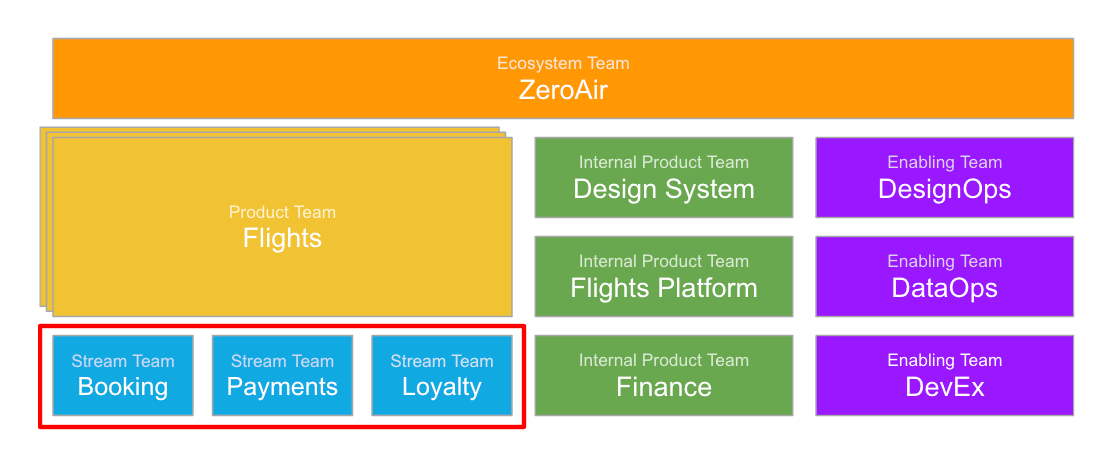
The Role of Stream Teams in ZeroBlockers
A Stream Team represents the smallest unit capable of delivering end-to-end value to customers. Unlike traditional development teams that might focus solely on coding, Stream Teams operate with significant autonomy and are responsible for their value stream from idea through to s
Read edition ↗
As AI Commoditises Outputs, Outcomes Become Your Competitive Advantage
In 2022, Airtable's product team had a challenge processing feedback from customers. After rapid growth from 150 to 700 employees, customer feedback was pouring in through Slack, email, support tickets, and sales calls. Nobody could make sense of it.
Read edition ↗
The Technical Debt Machine: How to Manage the Risk of AI Slop
Ask it to build a feature, and it will. Ask it to write a database query, and it will. Ask it to design a user flow, and it will. It won't question whether the feature solves the right problem. It won't warn you that the query will create performance issues at scale. It won't poi
Read edition ↗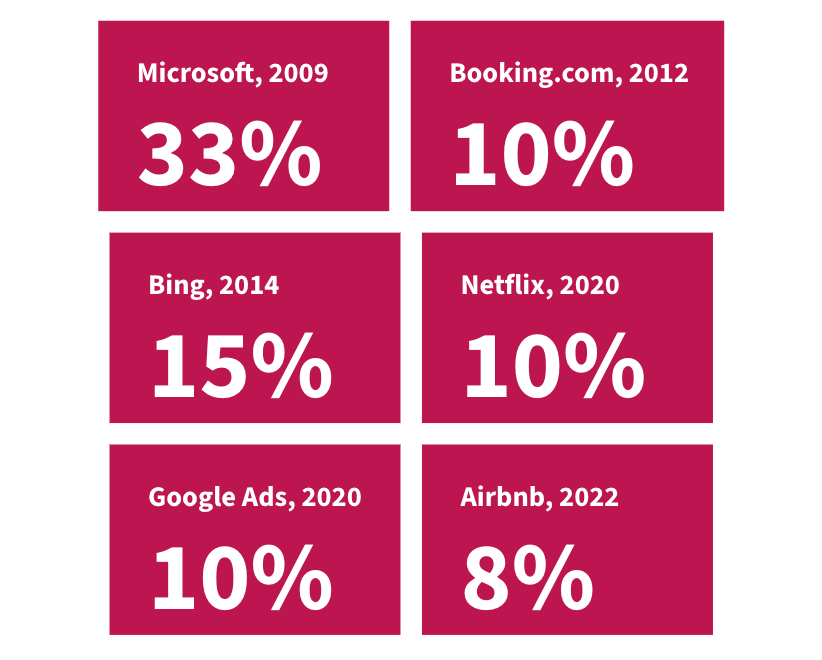
The Risk of NOT Empowering Teams
90% of product features fail to deliver their expected business value. That’s not a typo. According to research by Ron Kohavi, a former VP at Microsoft and technical fellow at Airbnb, most of what we ship doesn’t work the way we think it will.
Read edition ↗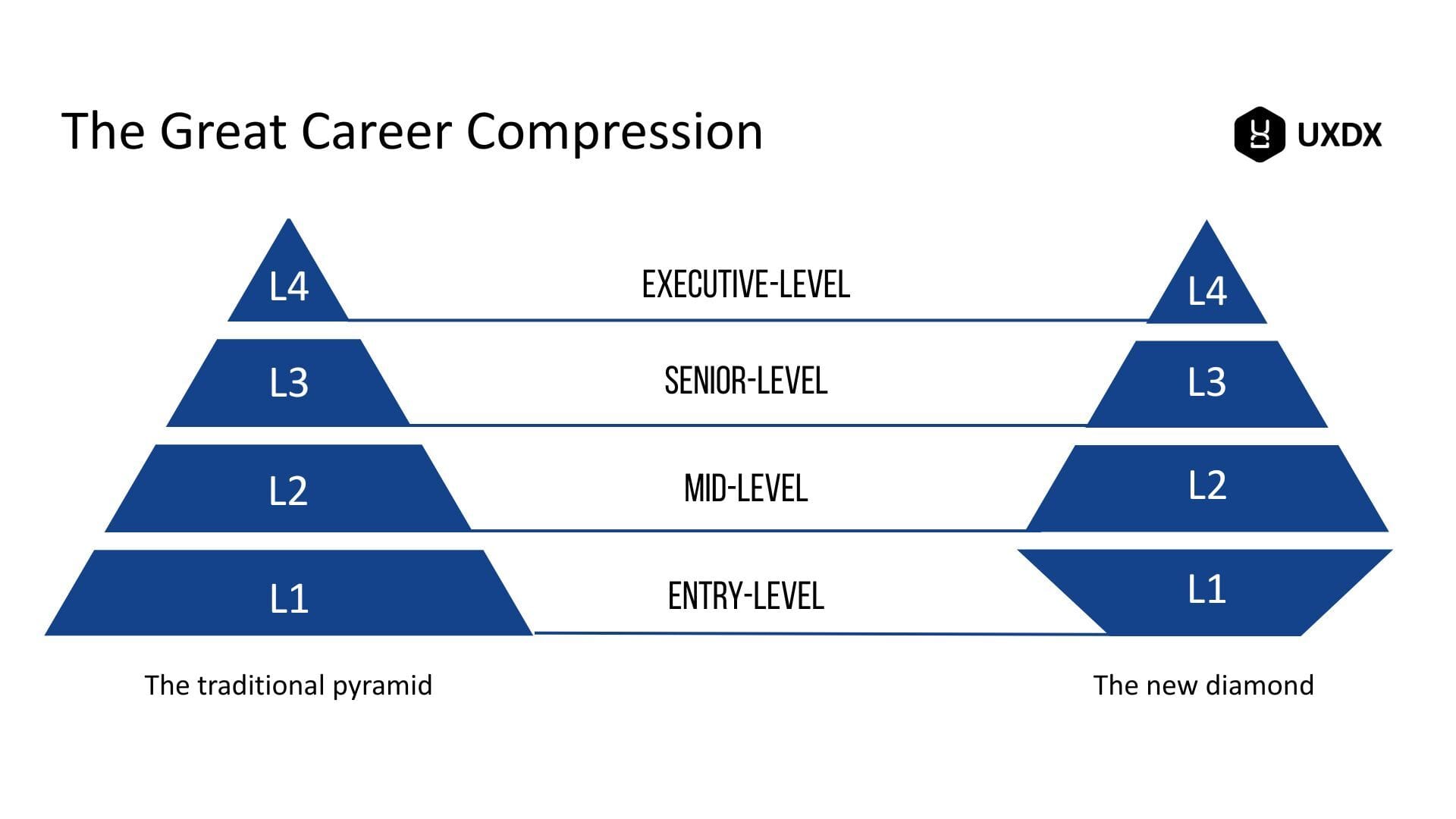
The Pyramid Is Collapsing: How AI Is Reshaping Workforce Structure
For decades, organizations were pyramids. A broad base of junior employees supported narrower layers above. Entry-level hires did the grunt work, writing tickets, processing data, creating basic designs, conducting routine research, while slowly building the judgment that would c
Read edition ↗
AI Makes Work Easier, and Growth Harder
A junior designer used to spend three days creating fifteen layout variations for a landing page. It was a slow, sometimes agonizing process, but each iteration taught them something. The third version revealed that the hierarchy wasn't working. The seventh exposed an inconsisten
Read edition ↗