The operating model for the AI era.
ZeroBlockers
Turn faster delivery into better outcomes.
AI makes software faster to build. Explore how to change ownership, decisions, funding and support so small teams can deliver what customers really need.
Explore the editions ↓The archive
Ideas for your next step.

AI has Collapsed the Career Ladder. The Four Questions That Define Your Career Stage
A "Senior Product Manager" at Google does fundamentally different work than a "Senior Product Manager" at a 50-person startup. An "Associate Designer" at a pre-seed company might be making high-stakes decisions that a "Principal Designer" at an enterprise never touches.
Read edition ↗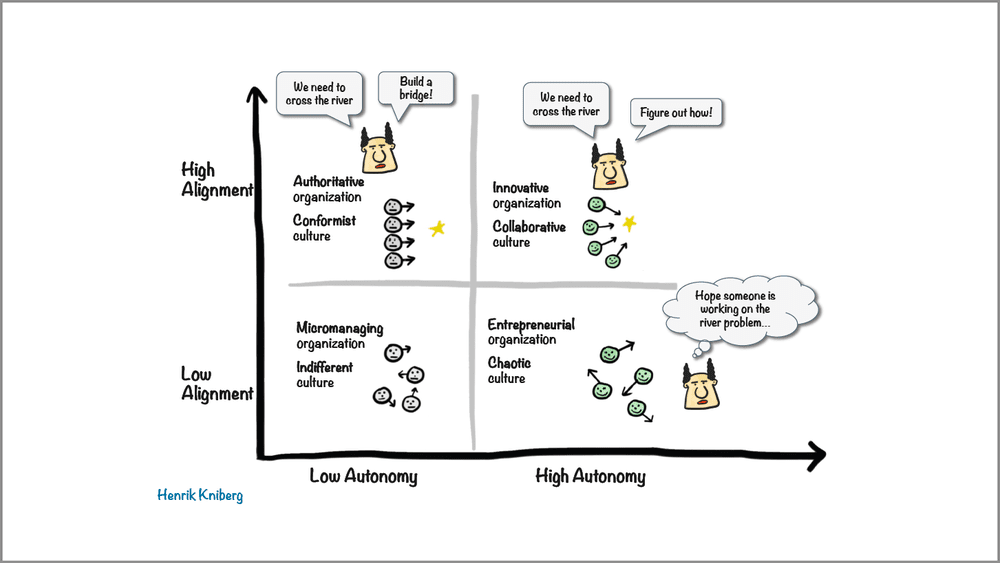
The 4 Risks of Empowering Teams
90% of product features fail to deliver the expected business value according to research by Ron Kohavi.
Read edition ↗
The 4 Types of Team Dependencies That Kill Performance (and How to Spot Them)
While most organisations talk about improving alignment and speed, they rarely diagnose the structural constraints that quietly erode both.
Read edition ↗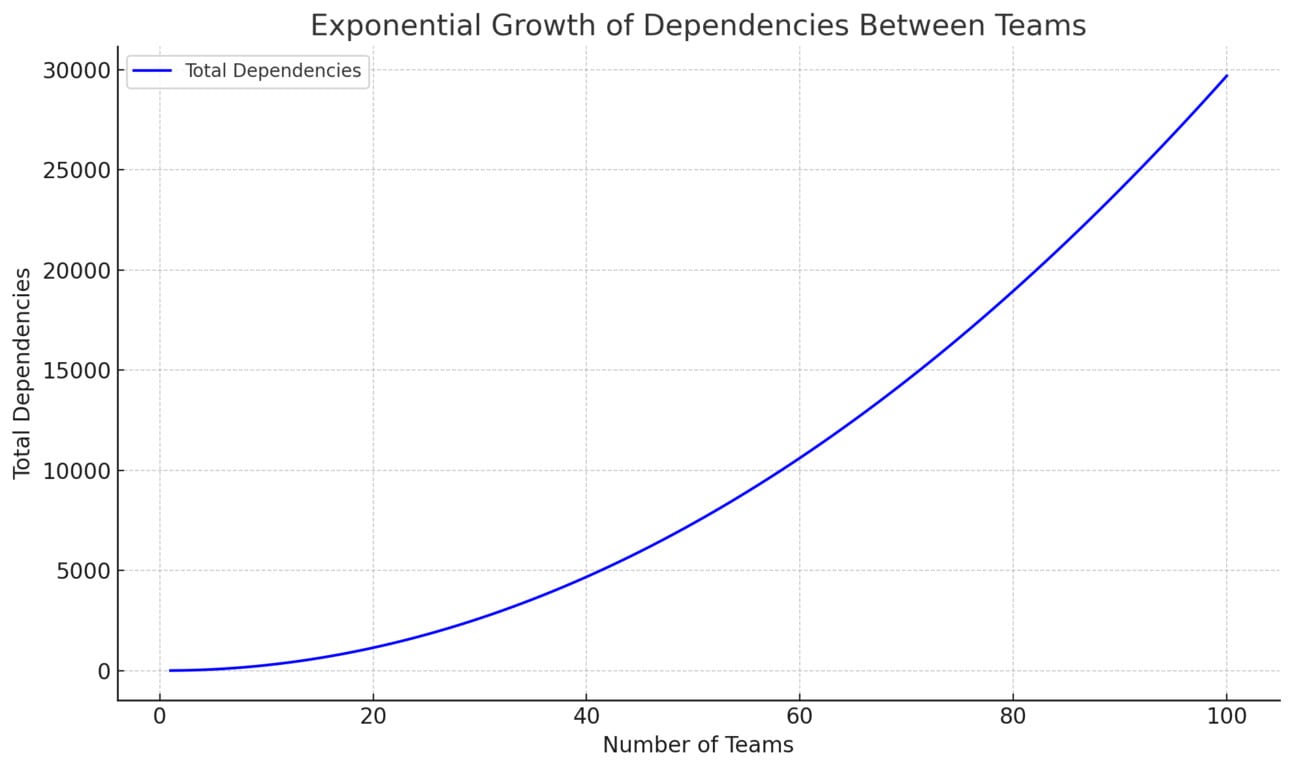
Why We Need a Brook's Law for Teams
You used to be fast, nimble and reactive. But now even simple changes takes weeks or months to deliver. Yes, your organisation has grown, but you were careful to only hire smart, capable engineers, experienced product managers, and dedicated designers. So what went wrong?
Read edition ↗
Common Objections to Empowering Teams (and How to Rebut Them)
Managers have built their careers excelling in the current way of working. They have worked their way up the ladder, following the orders of those above them. They are now in a position to influence the direction of the products and they are now being asked to relinquish that con
Read edition ↗
How to Run an Effective Quarterly Planning Session for Empowered Teams
Before diving into quarterly planning, it's essential to have a strong organisational foundation in place. Here's what you need to have in place first:
Read edition ↗
Repaying the Trust in Empowered Teams
With great power comes great responsibility. Empowerment is not a blank check - it comes with the expectation that Stream Teams will demonstrate responsibility and effectiveness. In return for this trust, Stream Teams must operate with transparency, embrace scrutiny, and hold the
Read edition ↗
Communication between Teams is a Bug, Not a Feature
Every meeting, channel, and email thread comes with hidden costs: context switching, information overload, and delayed decision-making. Adding more communication treats the symptom, not the disease, and further slows delivery by distracting teams from their core work.
Read edition ↗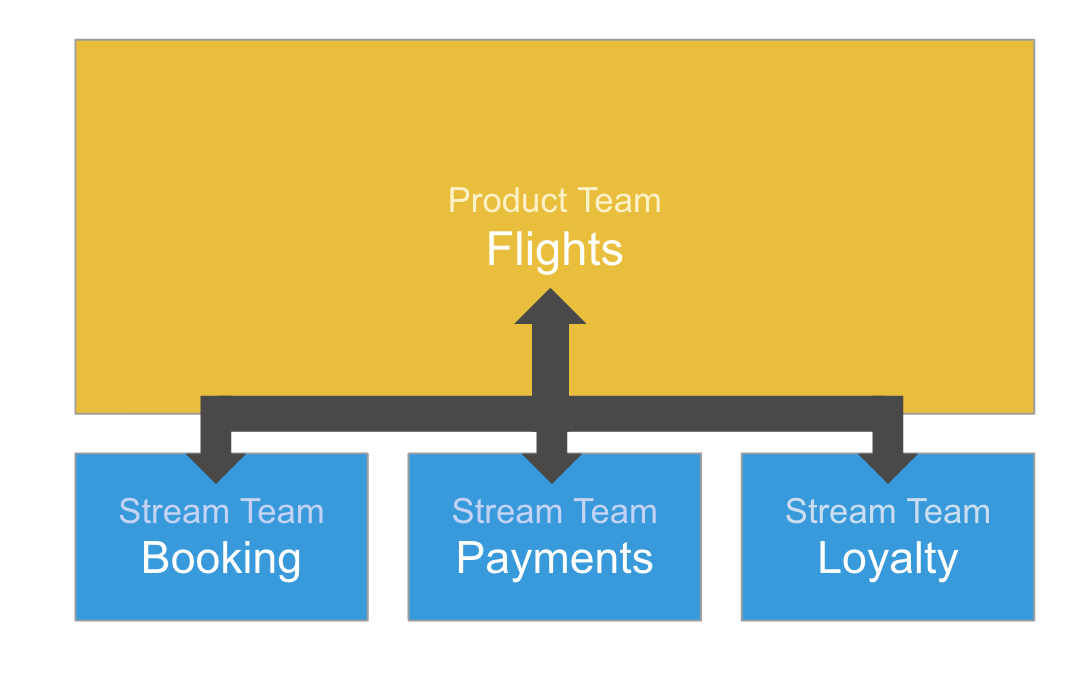
The Weekly Product Review: Bridging Team Autonomy and Product Success
Amazon has a regular meeting called a Weekly Business Review. The goal is for senior leadership to “dive deep” and discuss all of the key product metrics for the core products in a business unit.
Read edition ↗
When Things Go Wrong: The Real Benefit of Empowered Teams
You've just launched the first version of a feature, and the data is falling short of expectations. Meanwhile, development of version two is already underway. What should you do?
Read edition ↗
Navigating the Specialist-Generalist Career Challenge
Sometimes it would be easier to go back to a functional model and have Waterfall projects. Yes, they are really poor from an efficiency and effectiveness perspective but every support system in a company has been built with this model in mind. When we try to improve product outco
Read edition ↗
Continuous Process Improvement: Beyond Traditional Retrospectives
The first and most fundamental requirement for successful retrospectives is the authority to implement identified improvements. Too often, teams discover that their most impactful changes require approval from stakeholders who aren't present or invested in the process. This creat
Read edition ↗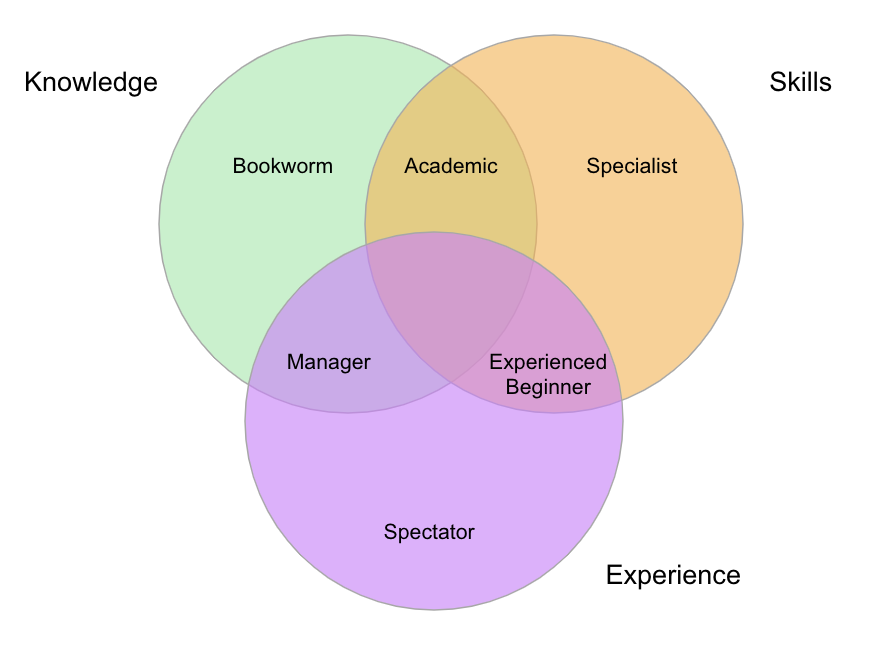
Upskilling on Cross-Functional Teams
Ideally, every team member would be highly skilled in their specialisation. However, in reality, people have varying levels of expertise. In functional silos, skill gaps are easier to identify and address through mentorship and training. On cross-functional teams, with fewer func
Read edition ↗