The operating model for the AI era.
ZeroBlockers
Turn faster delivery into better outcomes.
AI makes software faster to build. Explore how to change ownership, decisions, funding and support so small teams can deliver what customers really need.
Explore the editions ↓The archive
Ideas for your next step.
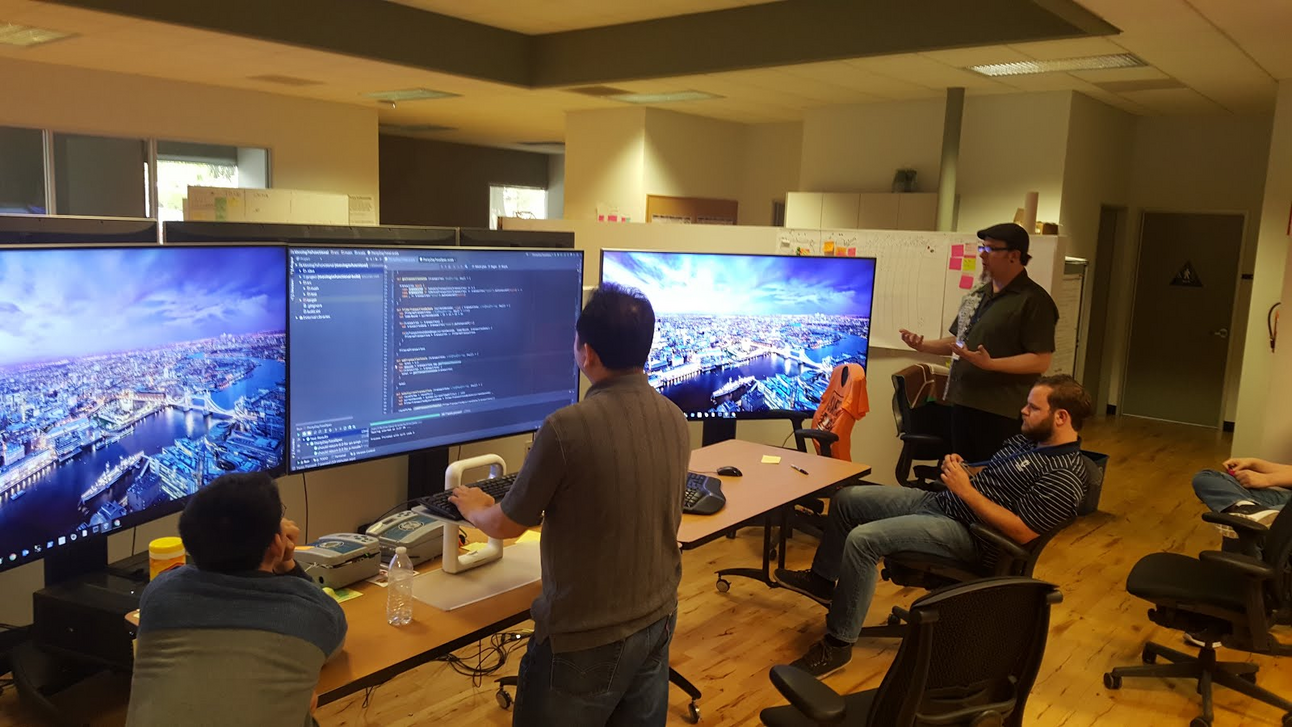
How Cross-Functional Teams Work
The success of cross-functional teams hinges on a fundamental shift in how we think about accountability and autonomy. In traditional structures, teams are held accountable for delivering predetermined features within specific time and cost constraints. However, cross-functional
Read edition ↗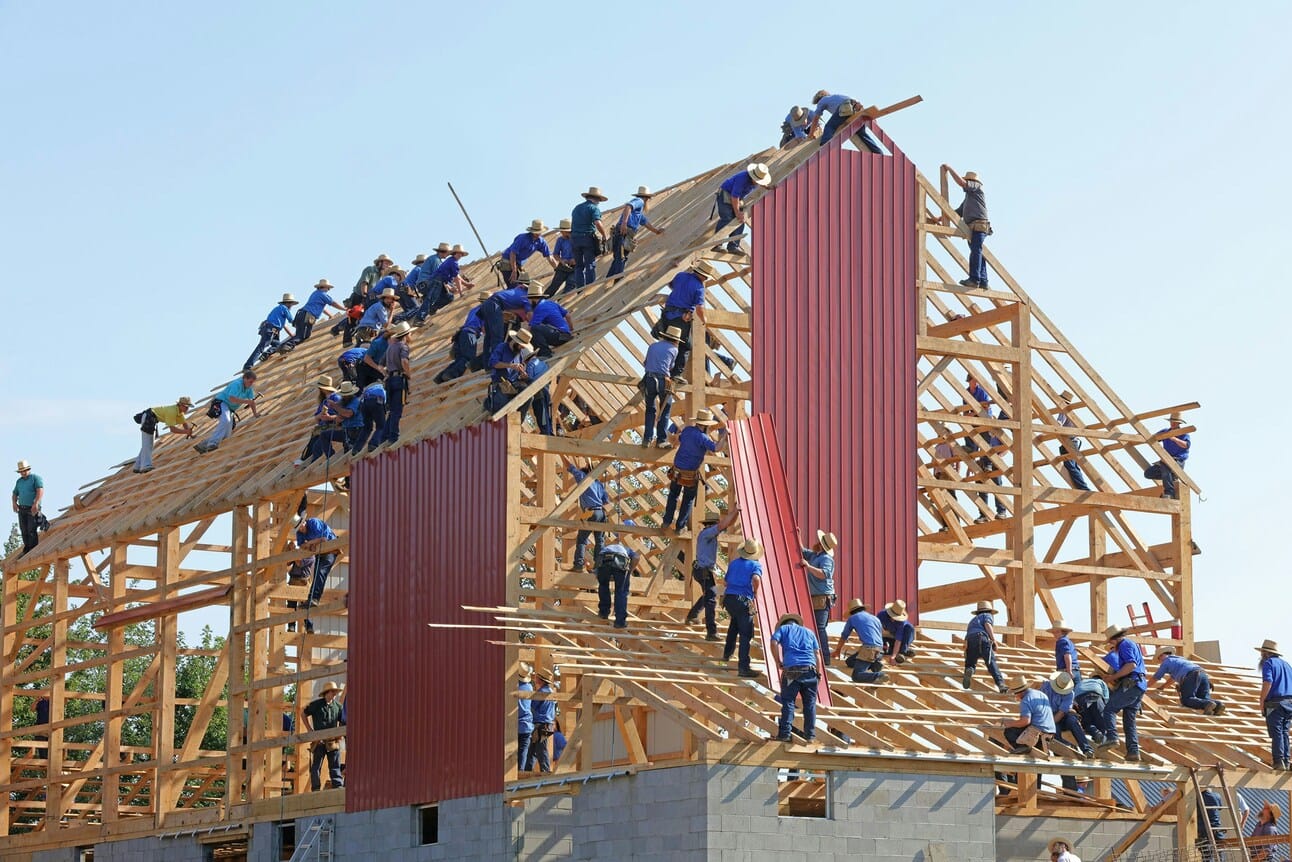
Why We Need Cross-Functional Teams
In the early 20th century, Frederick Winslow Taylor revolutionised work with the principles of scientific management. The goal was simple: maximise efficiency by breaking down work into specialised functions, with each department focusing on its specific area of expertise. This a
Read edition ↗
The Hidden Barrier to Team Empowerment: The CapEx-OpEx Divide
The seemingly mundane financial categorisation between CapEx and OpEx creates unexpected barriers to modern organisational design and team autonomy.
Read edition ↗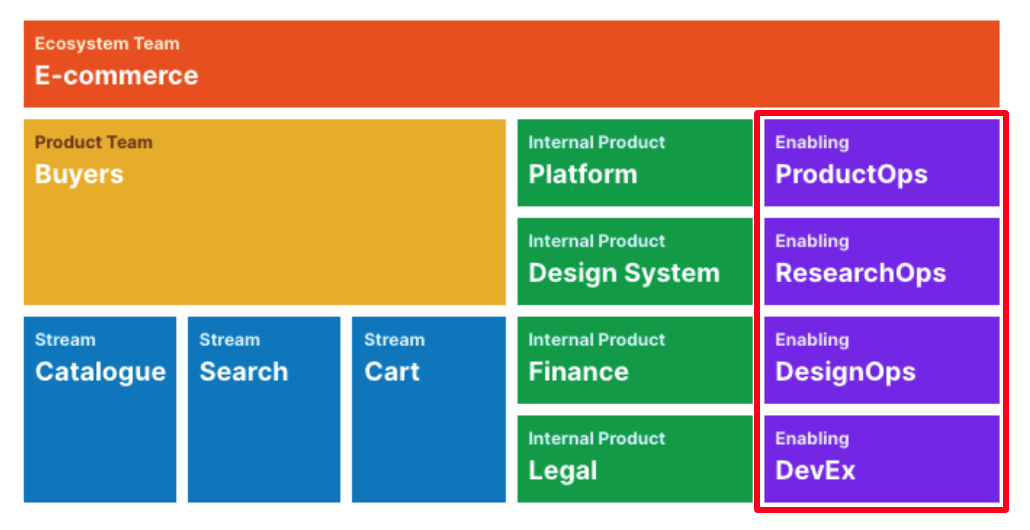
The Role of an Enabling Team in the ZeroBlockers Framework
In the Team Topologies framework by Matthew Skelton and Manuel Pais, there are four fundamental team types: Stream, Platform, Complicated-Subsystem, and Enabling. An Enabling Team is a specialised group composed of domain experts who help Stream Teams (and sometimes others) becom
Read edition ↗
The Evolving Role of the Functional Manager with Empowered Teams
Historically, functional managers juggled numerous responsibilities: resource allocation and budgeting, stakeholder management, strategic planning, endless meetings and reporting, process definition, technical leadership, team culture building, problem-solving, and talent develop
Read edition ↗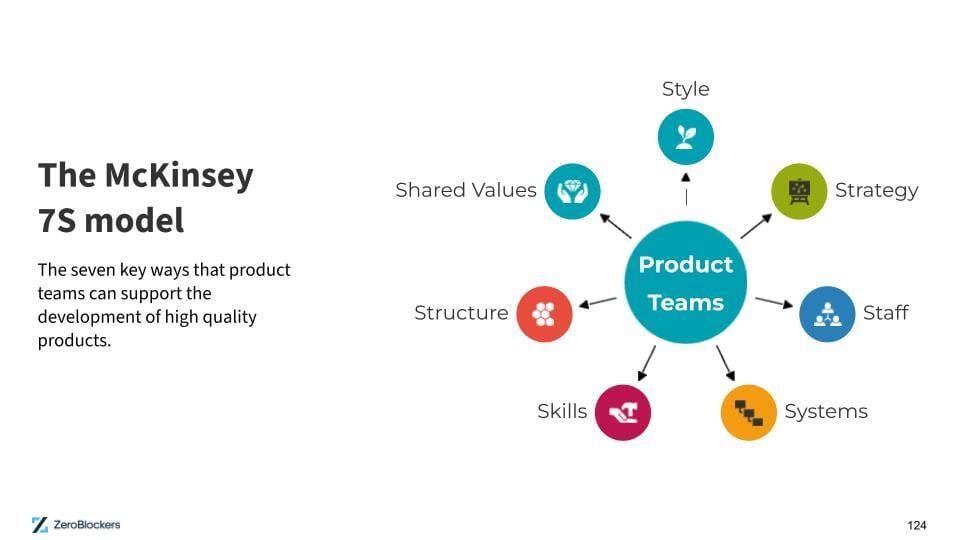
The Role of the Product Team in ZeroBlockers
Stream Teams – These are cross-functional teams of designers, developers, marketers, and researchers, each assigned to a specific value stream within the product. Their focus is on delivering features and improvements that enhance their part of the product.
Read edition ↗
The Risks of Empowering Teams - and How to Mitigate Them
Empowering teams has evolved from a trendy management buzzword to a foundational principle in many agile, modern organisations. Done right, it allows quicker decisions, higher levels of engagement, and a more robust pipeline of innovative ideas. However, granting teams too much a
Read edition ↗
Why Products Fail
Building a successful product is notoriously difficult. But after having achieved the elusive Product-Market fit some products seem to still fail over time. While some failures are attributed to poor execution or bad timing, the deeper systemic reasons often lie in the structures
Read edition ↗
Platforms: Finding the Balance Between Enablement and Control
Developer platforms emerge from a legitimate need: teams shouldn't waste time solving the same problems repeatedly. Authentication, logging, monitoring, deployment pipelines – these are all capabilities that benefit from centralisation and standardisation. However, the temptation
Read edition ↗
Design Systems Are Products
Traditional approaches to design systems often focus on technical aspects: building component libraries, style guides, and documentation. They assume that adoption will follow naturally in a Field of Dreams style “build it and they will come”. Instead, they often face low usage,
Read edition ↗
Problems with the Center of Excellence Model
The DevOps Research and Assessment (DORA) has conducted comprehensive multi-year studies on high-performing technology organisations. Their 2019 State of DevOps report highlights that companies using high demand Centers of Excellence (CoEs) significantly underperform compared to
Read edition ↗
Agile Was Supposed To Save Us
Agile emerged during this time as an alternative way to build software. It was a radical departure from rigid, top-down project planning. Instead of lengthy specifications and fixed timelines, Agile emphasised adaptability, customer collaboration, and iterative development. The g
Read edition ↗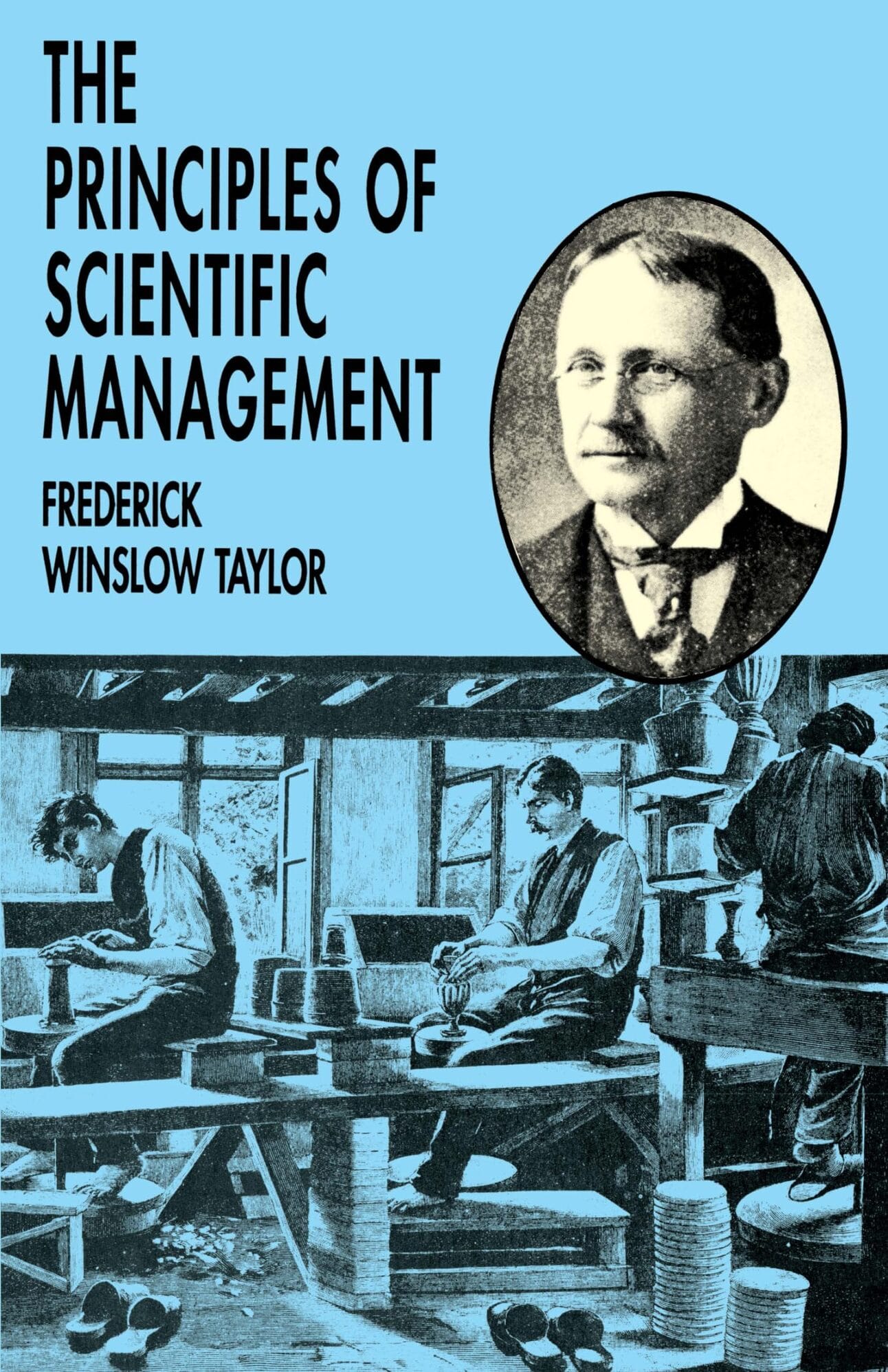
Why We Work the Way We Work: The Industrial Legacy of Modern Work
At the turn of the 20th century, work was primarily performed by craftspeople who maintained complete control over their production processes. Each craftsperson would build entire products from start to finish, using methods passed down through generations. This changed dramatica
Read edition ↗