UXDX Blog
The UXDX Blog has its own subscriptions, separate from our newsletters.

How to Secure Your Software Supply Chain
Open-source modules that we download have full access to our machines. Hackers are using this to steal data, delete files, and ransom companies. Given the risks, teams need to identify ways that they can protect themselves.
Read edition ↗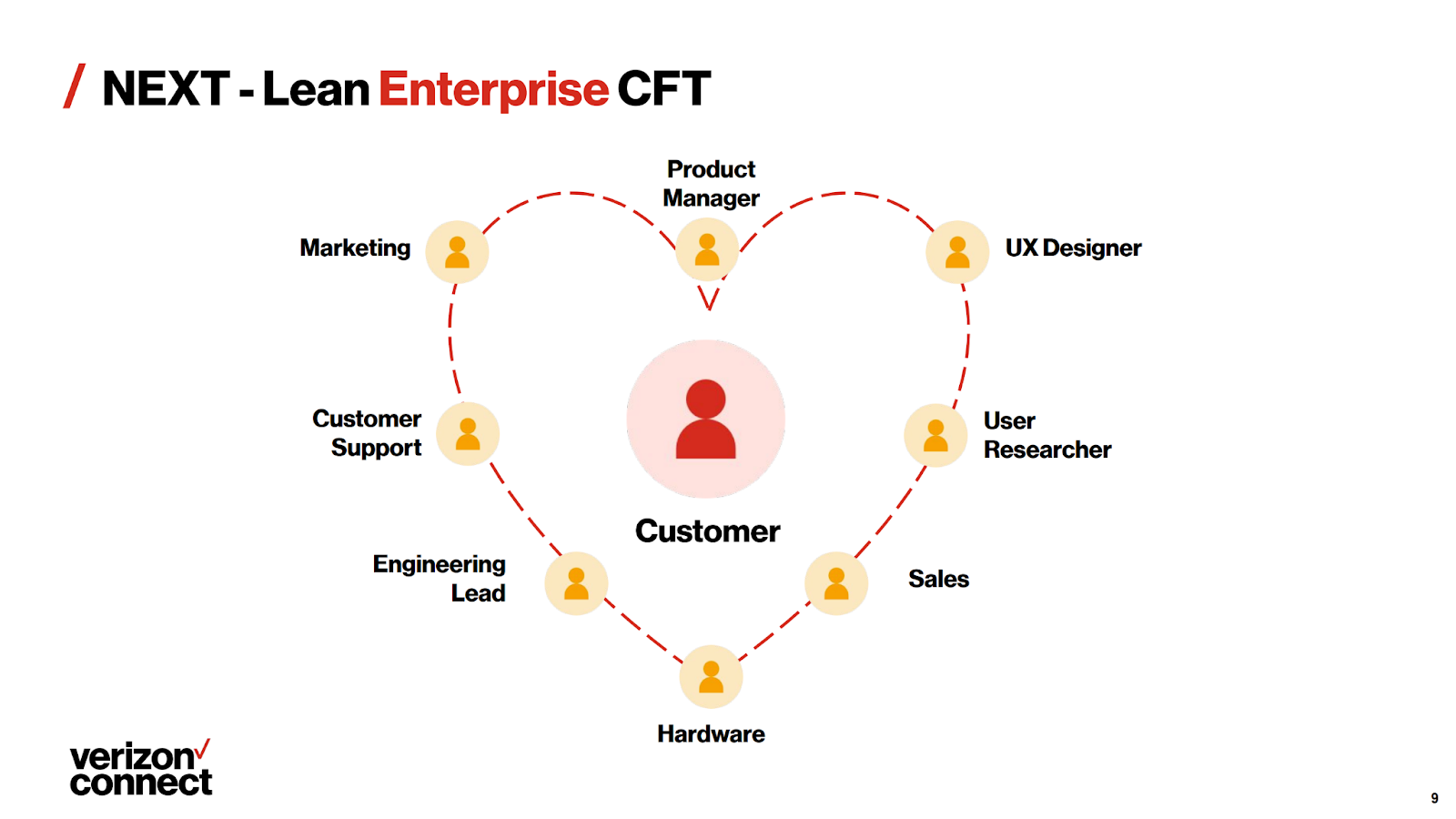
How Verizon has embedded customer centricity across the organization
A case study on how Verizon changed their culture and how they work to embed the customer at the heart of all of their decisions.
Read edition ↗
How Liberty Insurance approached their tech stack modernization
Liberty Insurance recognized the need to have a scalable platform for their business - but the legacy tech held them back. To achieve this they needed a new stack and new ways of working.
Read edition ↗
How to understand and change your company culture
When adopting agile processes you need companies that empower teams to deliver. The challenge is that this conflicts with the culture of a lot of companies. To improve your processes you need to start with the culture.
Read edition ↗
How KAYAK scaled their design system across 7 travel brands and three businesses
As KAYAK expanded its design system across its portfolio of travel brands, the company learned some key lessons on how to scale efficiently and effectively.
Read edition ↗
How Realife Tech managed the problem of conflicting stakeholder requirements
When building an app for a football club there were competing requirements from stakeholders across marketing, transport, content, tech, and more. By listening to all viewpoints, but returning the focus to the customer Reallife Tech delivered an app that exceeded expectations.
Read edition ↗
How Adyen ensure that research gets applied
Research that sits on a shelf is demoralizing and wasteful. Researchers can use insights from education theory to make insights stick and help teams build better, more customer-aligned products.
Read edition ↗
How HSBC Design for Security
Ease of use and security can be at odds and friction is the tool that designers can use to balance these competing concerns. See how HSBC add friction to their designs to improve security.
Read edition ↗
How to use Secondary Sources to Guide Product Decisions
Secondary sources are a cheap and quick way to enable you to get insights into the experience of customers, their pain points, and their needs.
Read edition ↗
How Allegro extract insights from data
Research data will only keep increasing. Learn how Allegro intentionally tackles this growing data to extract insights and ensure that teams are able to capitalize on them.
Read edition ↗
How Pie Insurance overcame the challenge of tight research timelines
Timelines are always tight for research but by using existing data, unmoderated tests, and keeping designs low fidelity you can achieve a lot in a short space of time.
Read edition ↗
How to measure the impact of design
Quantifying the impact of design is often reactionary, with designers scrambling to justify decisions. By being intentional about your design factors, criteria and metrics you can more accurately assess your performance.
Read edition ↗
How Uber Eats experimentation culture led it to expand outside of food delivery
You can't ask customers what they want because you'll end up stuck in a small niche. By understanding your customers and experimenting you can identify real growth opportunities.
Read edition ↗