Communication between Teams is a Bug, Not a Feature
Things can fall through the gaps between teams. And when that happens, the proposed solution is always more meetings. Daily cross-team syncs, weekly alignment sessions, and a new Slack channel for real-time coordination.
But the problem isn’t a lack of communication; it’s team structure. Fix the structure by designing and creating autonomous teams that can deliver a feature from start to finish, and communication needs will shrink naturally.
As Jeff Bezos said: “Communication is a sign of dysfunction. It means people aren't working together in a close, organic way. We should be trying to figure out ways for teams to communicate less with each other, not more.”
Check out my article below, where I address challenges like product coherence in a product with autonomous teams who aren't regularly communicating.
What percentage of your week is spent in cross-team communication?Don't forget distractions like Slack channels and emails. |
This Week’s Updates
Enabling the Team
Communication Between Teams Is A Bug, Not A Feature by Rory Madden
Communication isn’t a feature - it’s a symptom of a broken system. The best organizations minimize the need for inter-team coordination by designing teams that can operate autonomously.
The Illusion Of Alignment by Ash Mann
Teams often appear aligned on goals while quietly diverging on priorities, intent, or interpretation. True alignment requires continuous clarification, shared language, and the courage to surface uncomfortable differences early.
Product Direction
Building A Product That Doesn’t Exist by Daleen Rabe
Shows how designers, product, and engineers each carry their own invisible “Product Ideal,” creating costly friction. Offers a shared language to surface these mental models so teams can align on what they are really building.
How AI Changes Product Management: Same Role, New Possibilities by Brian Balfour
AI will not replace PMs but will rewrite their job. It is shifting the craft from backlog admin to framing problems, shaping strategy, and orchestrating AI-powered teams that can ship and learn far faster.
Continuous Research
The Importance Of Critical Thinking In User Research by Stephanie Wilson
Strong research depends on more than methods; it hinges on the ability to question assumptions, spot weak reasoning, and interpret evidence with rigour. Critical thinking turns data into insight and protects teams from being misled by surface-level findings.
What I Learned From Talking With Sahar Chung About Uncertainty In UX by Chrisa Klempetsani
Uncertainty is the raw material of progress, not a threat. Researchers can stay nimble, reframe work as product strategy, and lean on a community so messy, shifting projects still creates impact.
Continuous Design
Auditing Your Design System For Accessibility by Allie Paschal
Design systems can unintentionally exclude users if accessibility isn’t baked in from the start. Regular audits help teams identify gaps, fix systemic issues, and ensure accessible components scale consistently across products.
Why Classical UX Skills Remain Your Leverage In An AI Future by Massimo Fiorentino
Core UX skills like research, IA and interaction design do not disappear with AI, they become the lens that makes AI useful. Pairing timeless UX thinking with new tools helps designers shape human AI collaboration instead of competing with automation.
Continuous Development
The AI Coding Trap by Chris Loy
“Vibe Coding” with AI makes it trivial to spit out code but harder to own, integrate, and scale systems. AI tools are ultra-fast junior engineers and lay out a lifecycle playbook so senior devs use them for specs, tests, architecture, and standards instead of just churning out fragile code.
Avoid These AI Coding Mistakes by Ian Vanagas
Avoiding AI coding mistakes is less about clever prompts and more about treating AI as a junior engineer in a large, fragile codebase, adding strict context, rules, tests and guardrails so generated changes stay reliable at scale.
Seen an interesting article online? Share it with us, and we might feature it in our next issue!
Click here to share an article

Meet the First Wave of UXDX 2026 Speakers
Watch These Industry Leaders On Stage
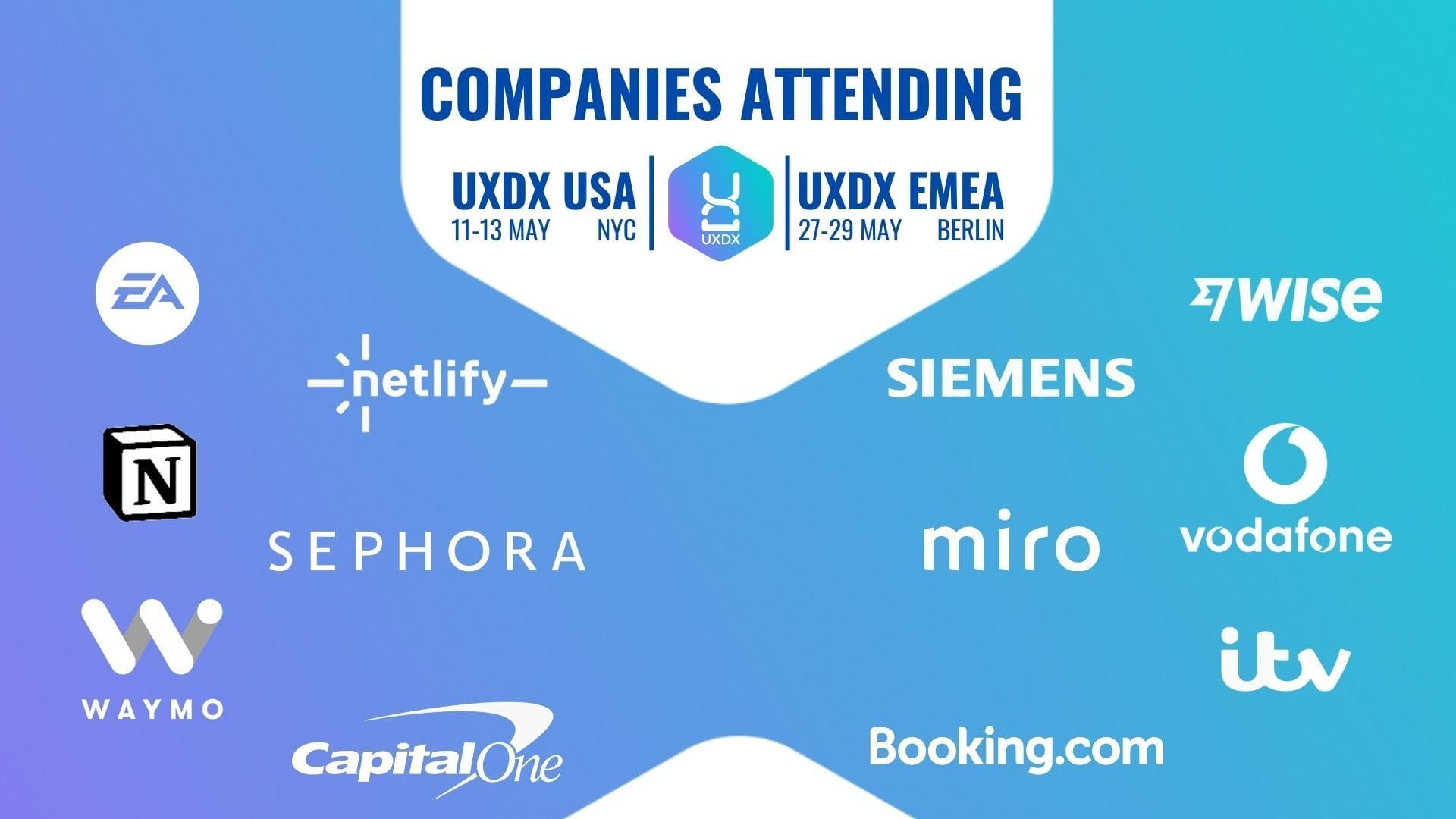
Need to use your budget before the end of the year, and planning ahead for 2026? Here’s a first look at some of the leaders shaping next year’s UXDX stages in both EMEA and the USA.
For EMEA 2026, you’ll hear from industry leaders such as Josh Payton (Wise), Priya Sinha (Vodafone), David Sward (Siemens), Daria Tarawneh (Miro), Marianne Ashton-Booth (ITV), and Romain Berthomé (Booking.com). Together, they bring a powerful mix of product strategy, design leadership, engineering excellence, and the realities of building at scale across some of the most recognised organisations in Europe.
Across the Atlantic, UXDX USA 2026 features an equally exciting lineup: Andra Bond (Electronic Arts), Dana Lawson (Netlify), Sneha Narahalli (SEPHORA), , Kent Eisenhuth (Waymo), Fahad Osmani (Capital One), and Randy Hunt (Notion). These speakers represent the forefront of product, design, AI, engineering, and innovation inside some of the most influential product organisations in the world.
More speakers will be revealed in the coming months on our website, but the community gets early access, and this is only the beginning! Are you already excited? Get your tickets with the discount codes below:
UXDX USA 10% Discount: 10NEWSLETTERUSA26 | UXDX EMEA 10% Discount: 10NEWSLETTEREMEA26 |
FREE COMMUNITY EVENTS
IN-PERSON 4 Dec: Lisbon 4 Dec: Seattle 4 Dec: New York (Figma) 13 Dec: Washington, DC 28 Jan: Boise 🔔 Want a UXDX Community event in your city? or, alternatively, if your company wants to host an in-person event, please reply and let us know. | ONLINE Stay tuned, more online sessions coming soon! |
Video Of The Week
Everyone’s Onboard. So Why Isn’t Change Happening?
Why does transformation stall even when everyone agrees it’s the right move? In this standout UXDX USA 2025 session, I unpacked the silent blockers behind stalled change and why motivation isn’t enough.
Through a real-world case at an Irish airline, I reveal how KPIs and incentives quietly shape culture, why teams that “get it” still fail to act, and how process, not passion, determines progress. By breaking down how to realign incentives, design for ease, and build cross-functional systems that make doing the right thing the easy thing.
Discover the framework behind UXDX’s Zero Blockers model for continuous research, design, and delivery. And learn why KPIs, not culture decks, decide whether change happens next week. Watch it here:
The Results of Last Week’s Poll
The question: Which best describes the primary characteristic of your regular review meetings?
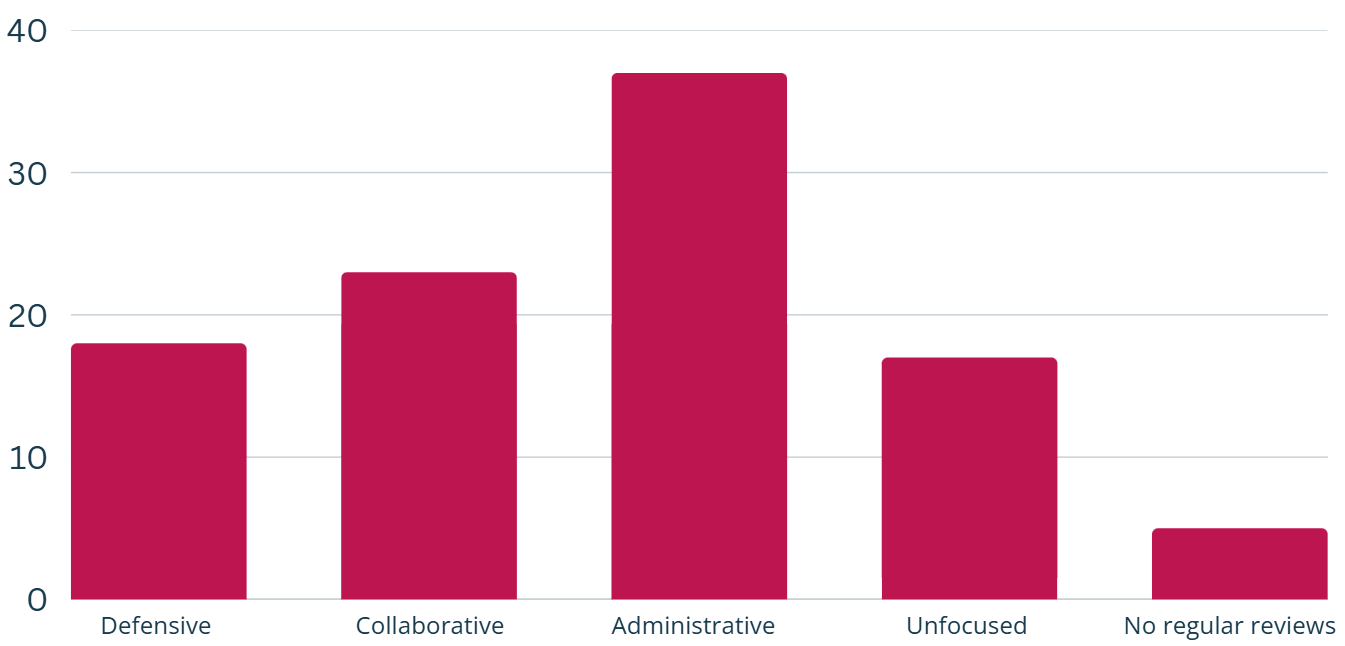
Last week’s poll asked what regular review meetings actually feel like in most organisations, and the results reveal a pattern many of us will recognise. Only 23% describe their sessions as genuinely collaborative, focused on solving problems together. Far more common are administrative check-ins (37%) that stay on the surface, or defensive environments (18%) where people avoid sharing challenges. Another 17% say their reviews lack a clear purpose altogether, and 5% don’t hold them at all.
What this highlights is a widespread issue: reviews that should drive alignment, learning, and improvement often end up reinforcing the very silos and behaviours teams are trying to escape. When meetings turn into status reads or performance theatre, you lose the conditions that make cross-functional collaboration work: psychological safety, shared ownership, and clarity around outcomes. Great teams don’t treat reviews as ceremonies; they treat them as working sessions where real decisions are made and real bottlenecks are addressed.
If organisations want empowered teams, the culture of review needs to shift from reporting to reflection. The teams that consistently improve aren’t the ones with the most meetings, but the ones with the most honest ones.