UXDX Blog
The UXDX Blog has its own subscriptions, separate from our newsletters.

Cross-Functional #196: Empowering product teams requires systemic thinking
To empower product teams you need to make changes in six areas simultaneously, because they are interconnected:
Read edition ↗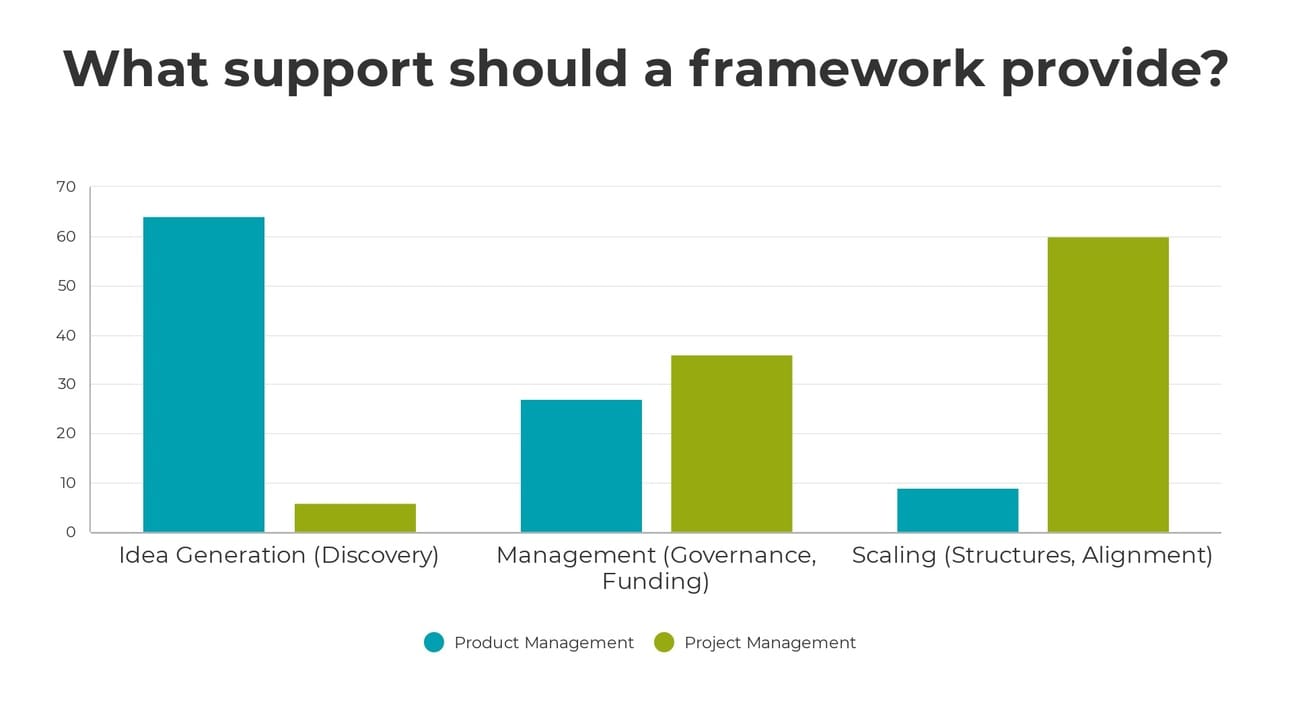
People don't think in systems
Since most organisations are structured in departments and functions, the impact of this siloed focus is that most agile implementations actually turn into Water-Scrum-Fall. To gather more data, I ran a poll on LinkedIn to gauge why people felt that this happened in their place o
Read edition ↗Cross-Functional #195: Where to make improvements - part deux!
Last week we talked about using a product vision to be able to compare different improvement initiatives. But a vision alone is not enough. Given the complex nature of software development, changes in one area can actually slow down the delivery of software as a whole. This is wh
Read edition ↗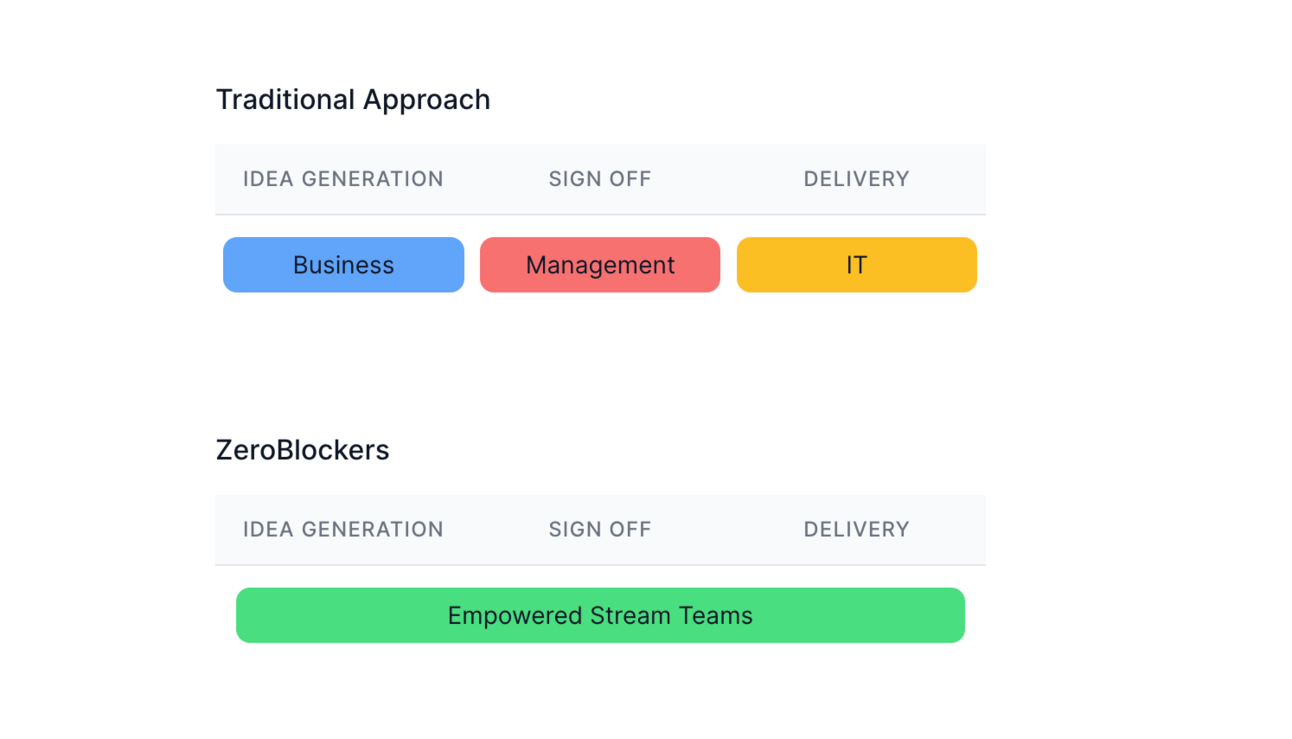
Processes need visions too
Processes are just a collection of best practices based on the context that we are working in. The thing is that the context that we are working in is always changing - so our processes need to change too.
Read edition ↗Cross-Functional #194: What makes one improvement better than another?
There are always lots of things that can be fixed. How do you prioritise among completely separate but equally interesting sounding options?
Read edition ↗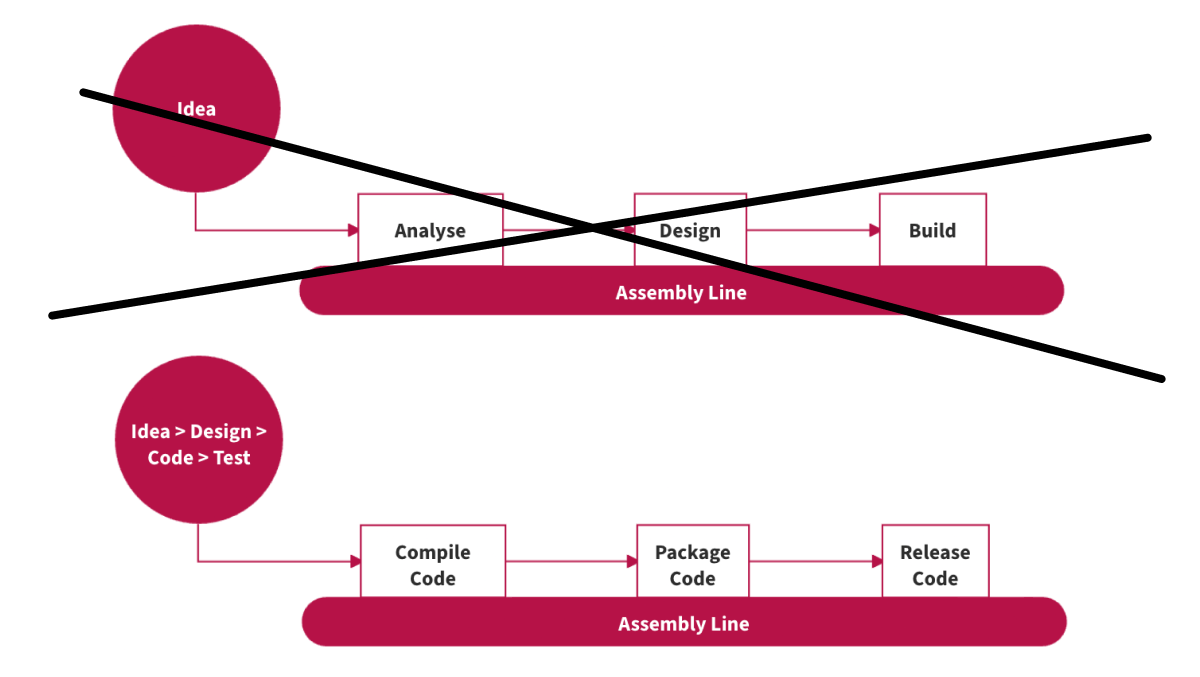
Why we need another agile framework
Research by Ron Kohavi shows that only 10% of features developed at Netflix were delivering the expected business value and only 8% at Airbnb. And these are industry leading tech companies. The results in other industries are likely to be even worse.
Read edition ↗Cross-Functional #193: How do you pitch process improvements?
In last week's poll, we asked how you address issues that are outside of the team's direct control and pitching either leadership or your peers on the improvements were the two most common answers.
Read edition ↗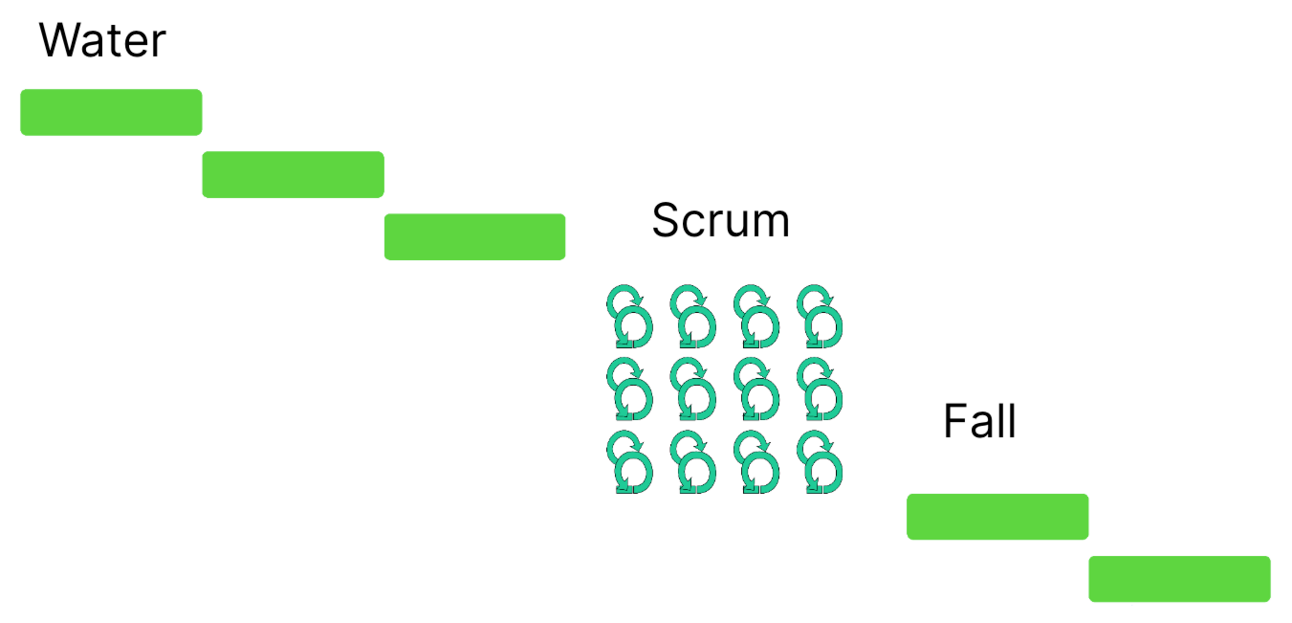
How Scrum turns into Water-Scrum-Fall
Scrum came to prominence as an off-the-shelf replacement for the waterfall process. People are busy running their companies and building their products so they don't have time to think about software development practices from first principles. Scrum solved this problem by provid
Read edition ↗Cross-Functional #192: Addressing the most pressing problems
One of our links this week is about how PM's don't have the ability to shift from outputs to outcomes without C-level support.
Read edition ↗Cross-Functional #191: Another framework
When we were looking into ways of working at UXDX we started with the data: 90% of features fail to deliver the expected benefit. This led to our first principle: We don’t know what customers want. Teams need end-to-end ownership from idea to satisfied customers to be able to ite
Read edition ↗Cross-Functional #190: If agile isn't working, you're doing it wrong!
The cycle of people criticising agile methodologies and then others jumping in to say "You're doing it wrong" is so predictable.
Read edition ↗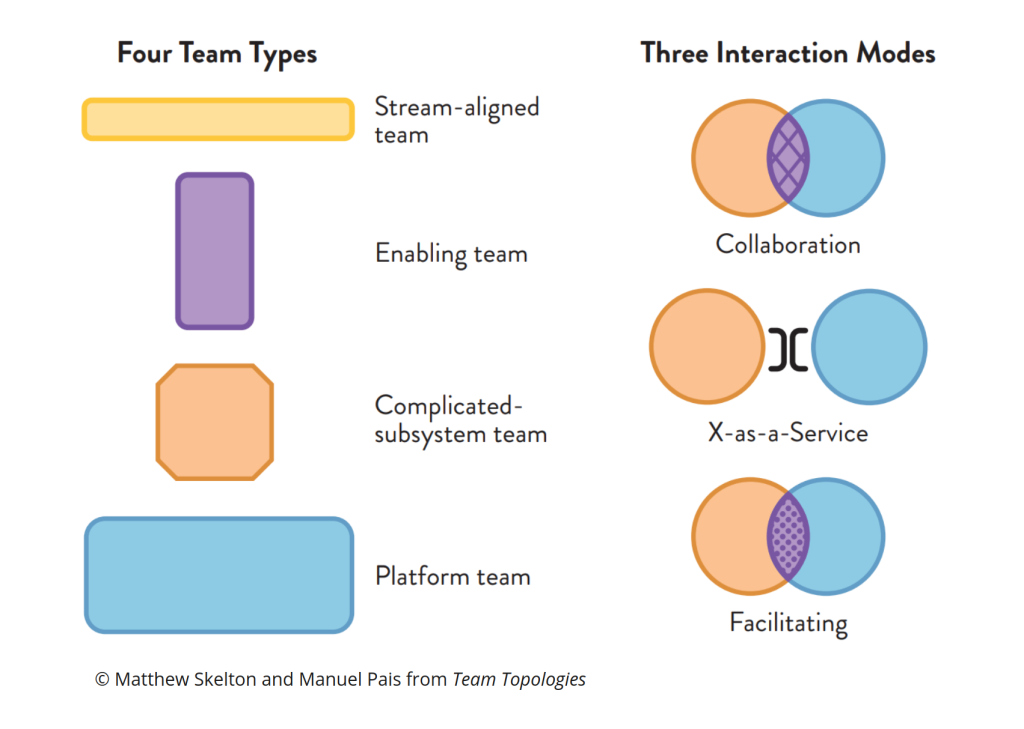
Expanding on Team Topologies
Team Topologies has quickly become the de facto guide for how to structure technology teams, and more importantly, the ways that the teams interact.
Read edition ↗
Why the phrase "If Agile Isn't working, you're doing it wrong" is wrong
It has been 23 years since the Agile Manifesto was published, and 20 years since the first book on Scrum was published. In that time, Agile replaced waterfall as the dominant methodology for software development. But despite its popularity, the results are still poor. On-time and
Read edition ↗