UXDX Blog
The UXDX Blog has its own subscriptions, separate from our newsletters.
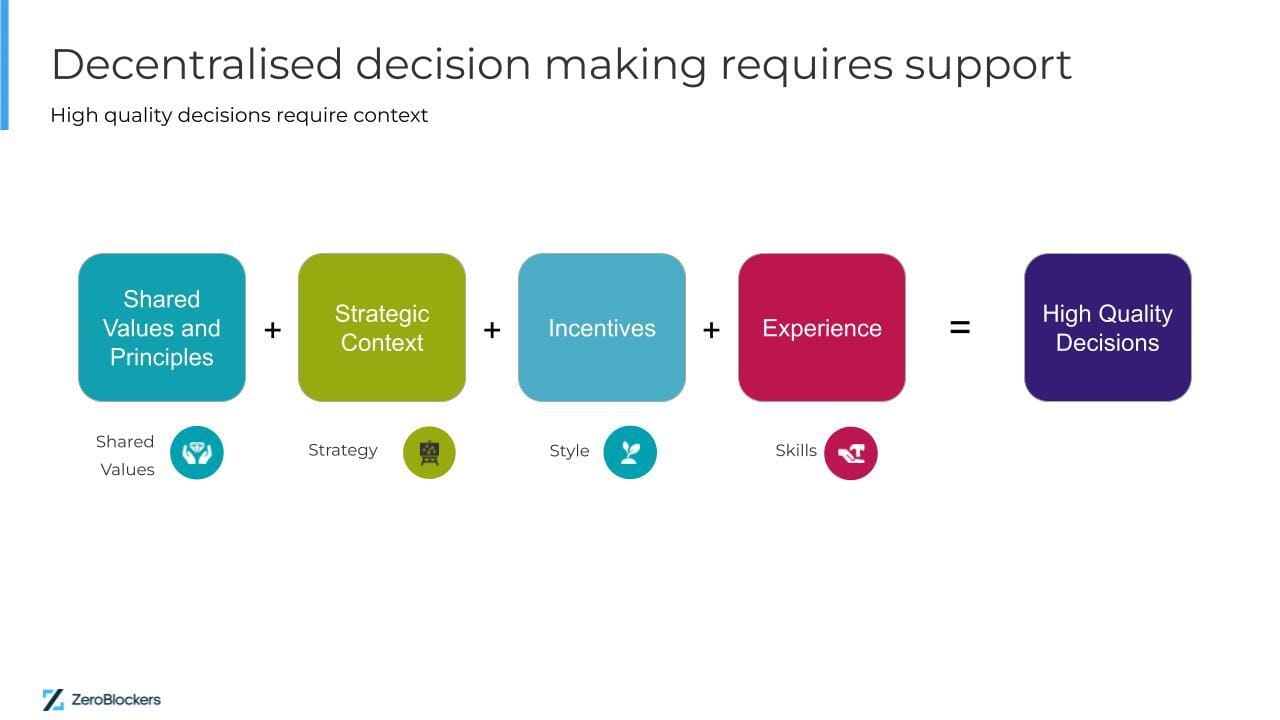
Decentralised Decision Making requires Context
One of the biggest fears for management teams when empowering product teams is that they lose control over the features that the teams build.
Read edition ↗
Cross-Functional #202: Funding And Governing Empowered Teams
Long-lived, empowered teams are expensive. Instead of having a business case that has clear costs and benefits, long-lived teams require companies to place a lot of trust in these teams.
Read edition ↗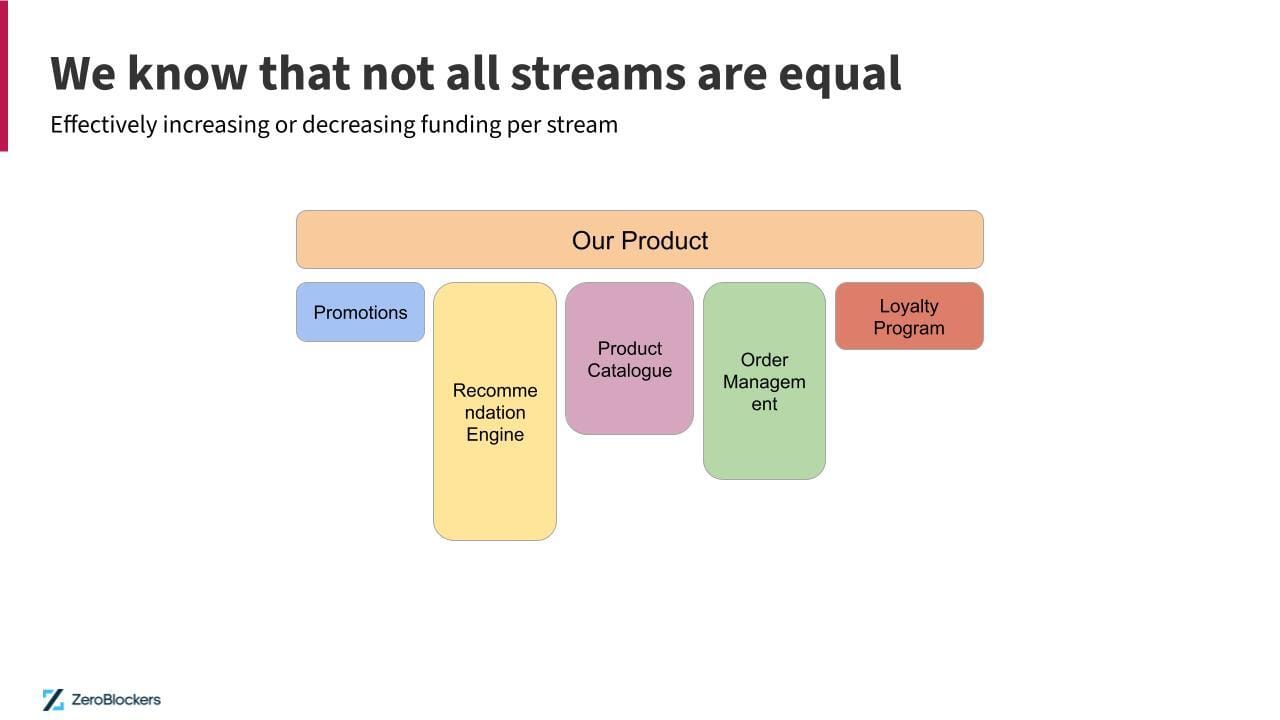
Funding And Governing Empowered Teams
Long-lived, empowered teams are expensive. Instead of having a business case that has clear costs and benefits, long-lived teams require companies to place a lot of trust in these teams. This causes two problems that need to be solved:
Read edition ↗Cross-Functional #201: Creating Stream Teams around Value Streams
The first step is to prioritise the value stream to identify which ones need more or less funding. There are three dimensions you can use to prioritise:
Read edition ↗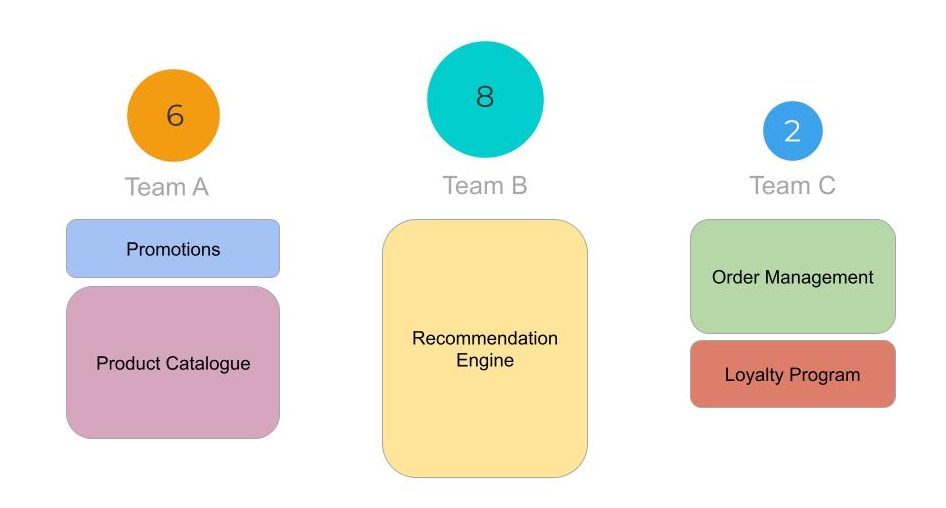
Creating Stream Teams around Value Streams
In our last article, identifying the value streams in your system, we end by saying that not all value streams are equal. Some are small, some large, some complex and some simple. If we want to build teams around these value streams we need to be able to reconcile the difference
Read edition ↗Cross-Functional #200 🎉: Identifying Boundaries between Teams
Last week we talked about the challenge of consistency versus autonomy when creating teams. This week I want to delve deeper into the topic of identifying team boundaries.
Read edition ↗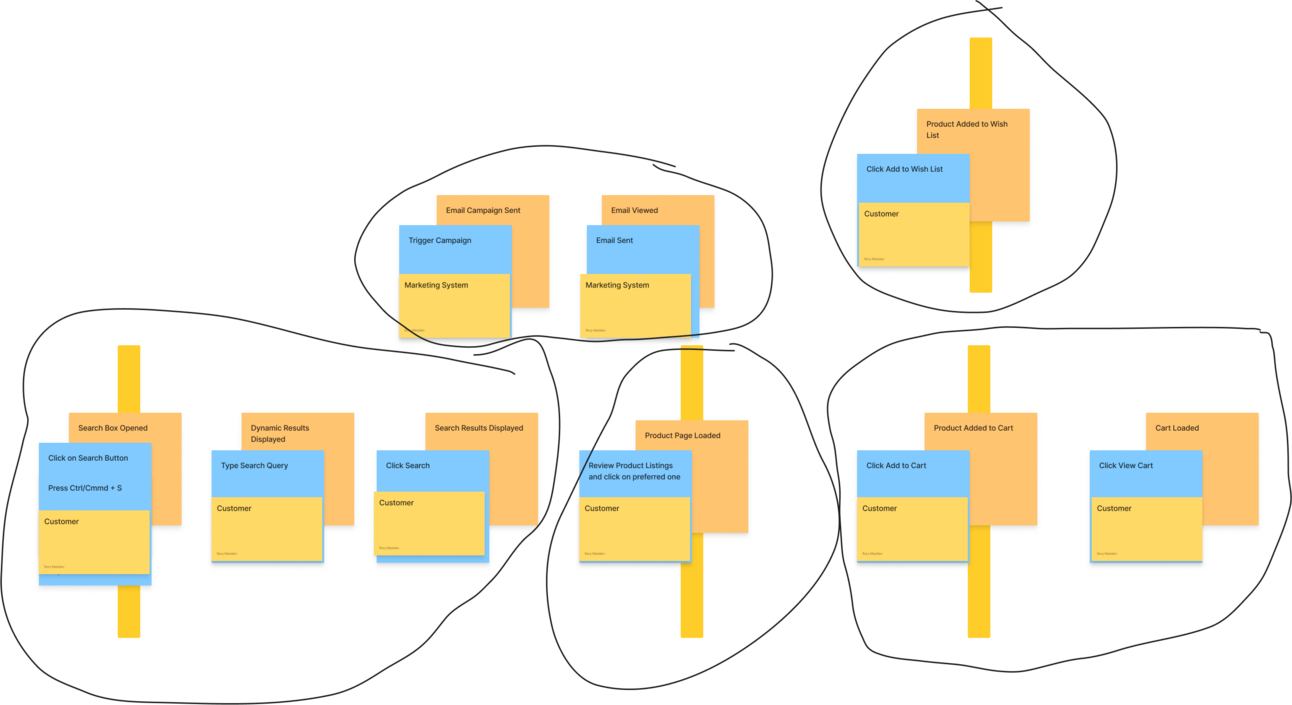
Identifying Boundaries between Teams
We already talked about how to structure teams for scale which advocated for having long lived teams aligned to parts of the customer journey with completely separate code bases. These teams get the benefit of being able to get a deep understanding of the customer needs in their
Read edition ↗Cross-Functional #199: Scaling Cross-Functional Teams
I was speaking with Richard Dalton for the Getting to Zero podcast and he highlighted a challenge that he faced managing over 300 teams at Verizon.
Read edition ↗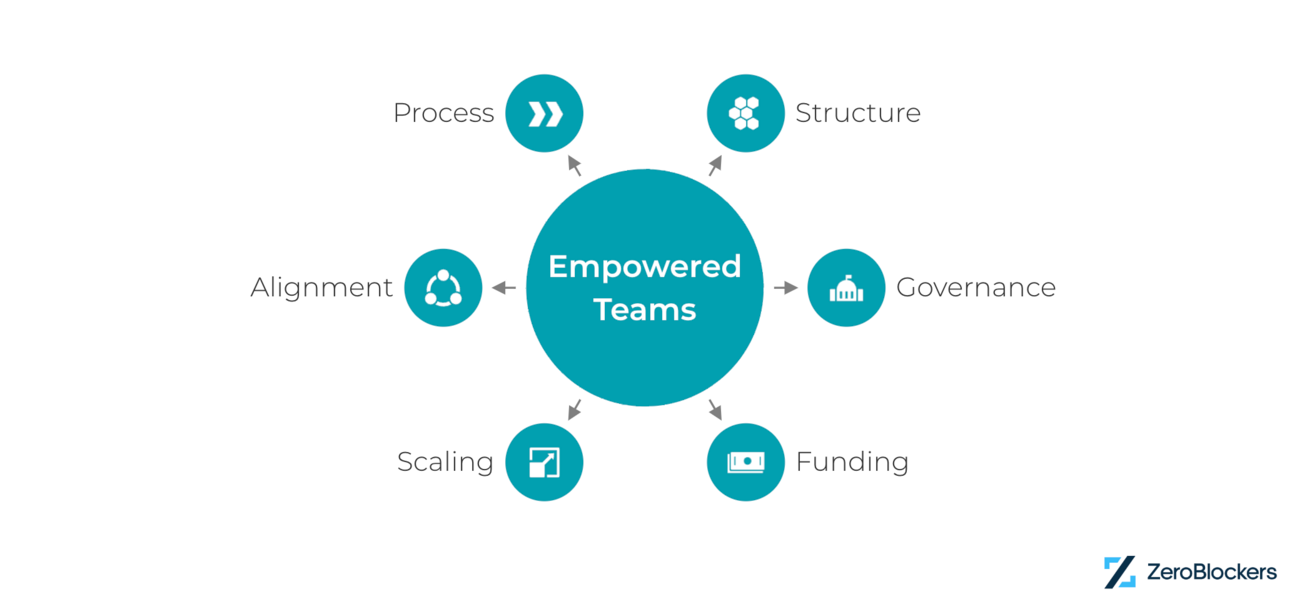
No, you can't just empower product teams
You've seen the advice, the only thing stopping teams from performing is micromanagement and distrust from senior leaders. If we just empower the team to do great work then everything will be better.
Read edition ↗Cross-Functional #198: Structuring Empowered Teams
Dependencies slows down product development, reduce autonomy and remove accountability. When you have handovers, if the product or feature fails you can always say “I did my job”.
Read edition ↗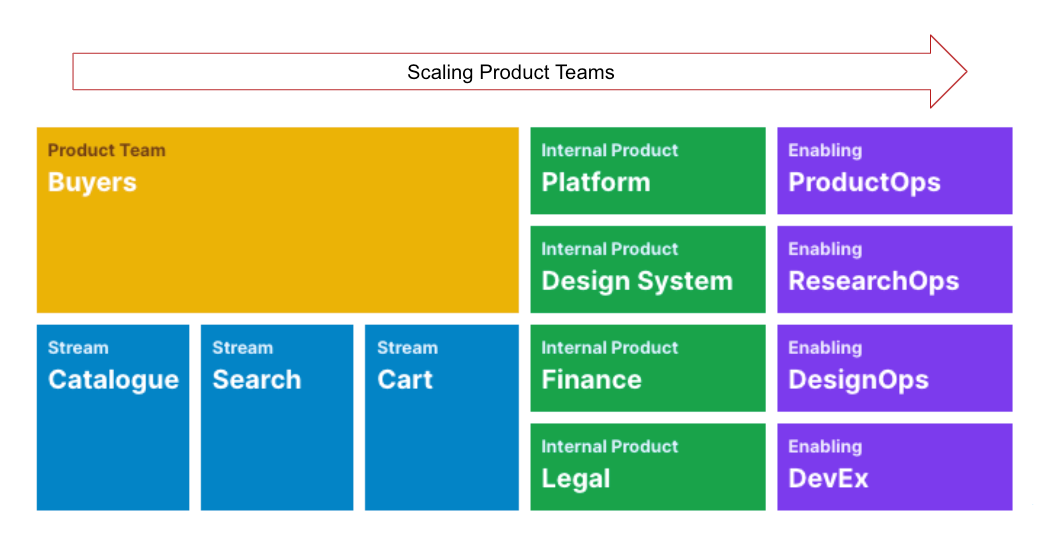
Scaling really large products
In a previous article, I wrote about how to structure product teams for scale. Each team needs to be autonomous because otherwise the number of dependencies between teams will increase and slow down the delivery of everyone.
Read edition ↗Cross-Functional #197: What's in a city?
We love Dublin. It's an amazing city, rich in culture, history, and incredible people. Dublin has been the home of UXDX since 2016, and it holds countless fantastic memories for us.
Read edition ↗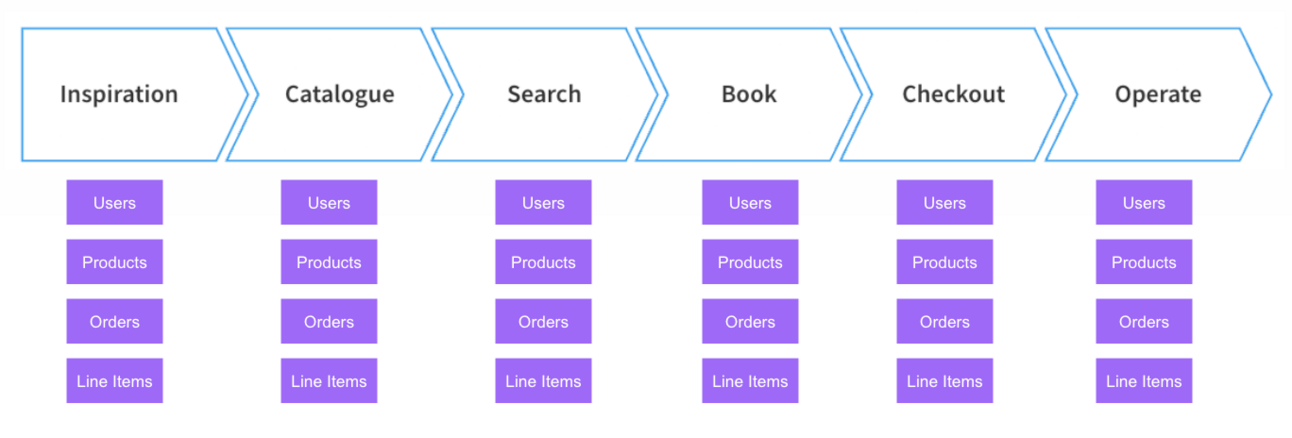
How to structure teams for scale
Our team structures need to ensure that the teams are both effective and efficient. Effectiveness comes from a deep understanding of the end users and their needs. Efficiency is measured in the lead time that it takes to go from idea to satisfied customers.
Read edition ↗