UXDX Blog
The UXDX Blog has its own subscriptions, separate from our newsletters.
Crafting an Effective Product Strategy
88% of executives believe that customers and employees are changing faster than they can change their business, according to research by Accenture. The challenge is that far too many choices need to be made at a senior level.
Read edition ↗
Cross-Functional #209: Compelling Product Visions
In our recent poll, strategy came out on top as the key area that people wanted to learn more about. It’s a big topic so I’ll be breaking it down into a series of posts over the coming weeks. This week we’re looking at product visions.
Read edition ↗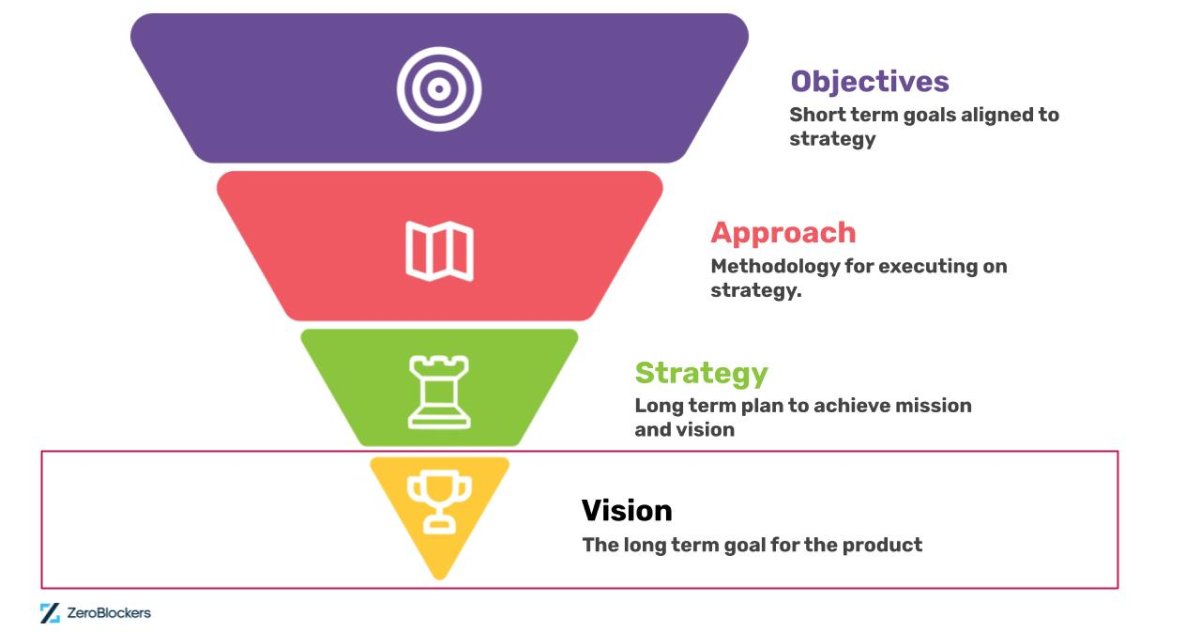
Crafting a Compelling Product Vision
Adopting a product model requires empowering teams to make critical day-to-day decisions. But without a shared vision, there’s a risk of misalignment between senior leadership’s expectations and what the teams deliver.
Read edition ↗
Balancing User Needs with Business Goals in Product Development
Balancing user needs with business goals is key to successful products. At UXDX USA 2024, speakers shared strategies like aligning UX metrics with business KPIs, fostering cross-functional collaboration, and leveraging data to drive decisions, ensuring both user satisfaction and business success.
Read edition ↗Cross-Functional #208: AI can reason now
Open AI just released a new model (o1, previously codenamed strawberry) with chain-of-thought reasoning. In practice this means that it plans out how it will respond before responding. The resulting slowdown in response is offset by a significant improvement in maths, programming
Read edition ↗Cross-Functional #207: AI Agents are here
I just had an aha moment using Claude this week. I asked it to help putting together a dynamic convince your boss template for the conference, and instead of just giving me a text response it actually created a fully working React component and ran it so I could test it. But depl
Read edition ↗Cross-Functional #206: Defining Values and Principles
How do you uncover the true motivations behind how people use your products? Research! We can use the same approach to uncover the real values and behaviours that our company’s prioritise (and not just what they say).
Read edition ↗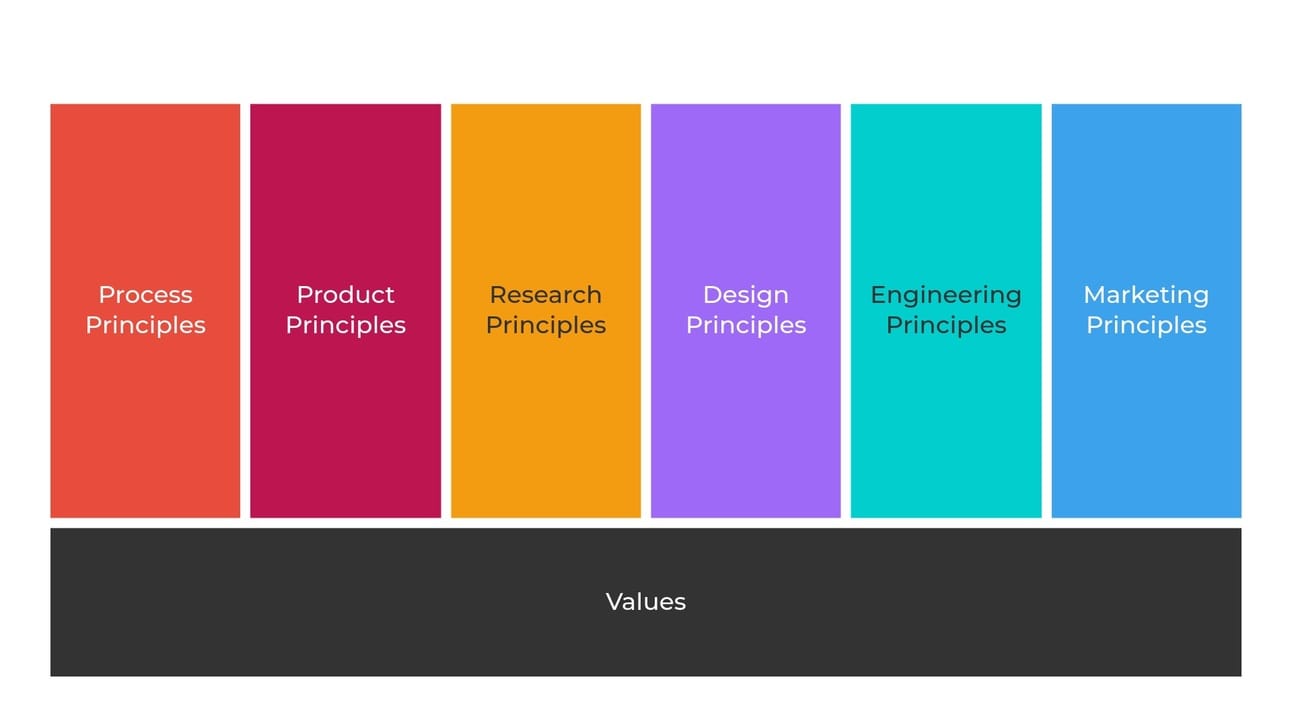
How to define Corporate Values and Principles that enhance Decision-Making and Leadership Trust
There are four elements required to enable high quality decisions: Values and Principles, Strategic Context, Skills and Experience. In this post we will focus on Values and Principles.
Read edition ↗Cross-Functional #204: Setting KPIs to drive your Culture
You know them, those glossy posters on your office walls, proudly displaying your company's values. They look great, but let's be honest - how often do they actually influence decision-making?
Read edition ↗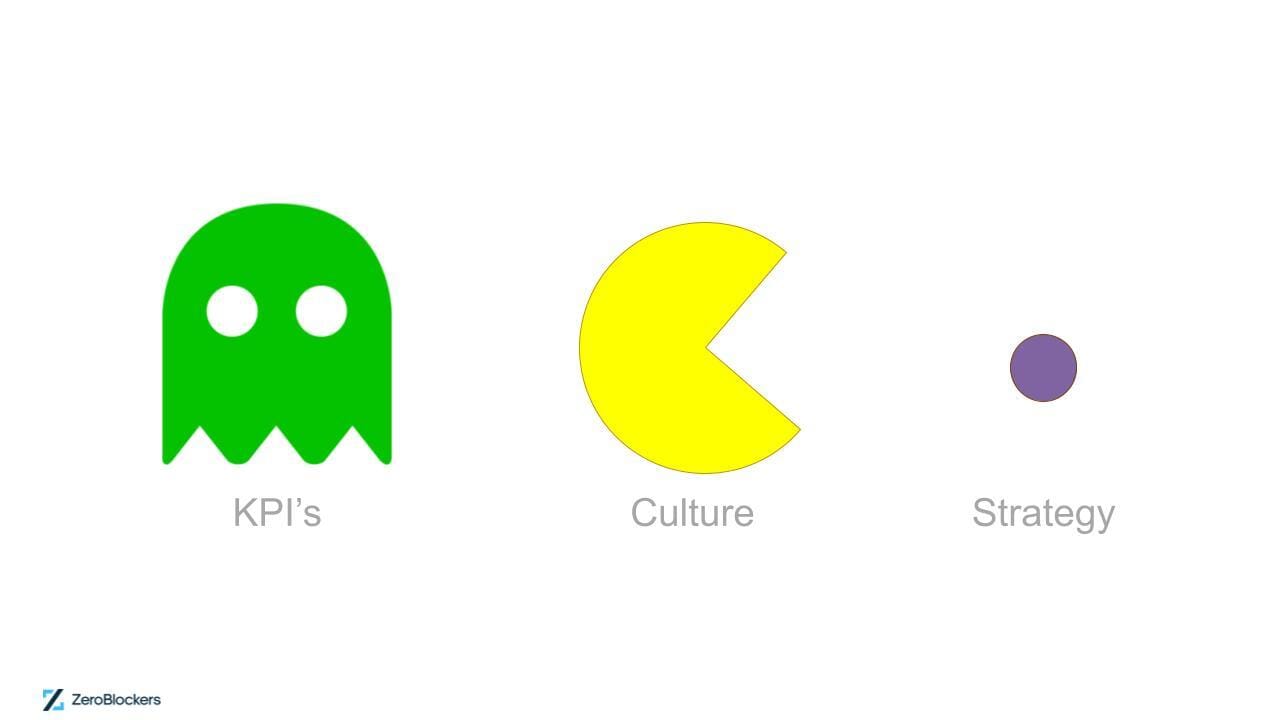
Defining KPIs to drive the Culture you Want
In our previous article, we explored four key ingredients for enabling decentralized decision-making: Values and Principles, Strategic Context, Skills and Experience. Today, we'll dive deeper into Values and Principles, exploring how they can be effectively aligned with KPIs to d
Read edition ↗Cross-Functional #204: Defining your Company Culture
In last week’s poll most people voted for diving deeper into how Values and Principles can be defined and used to help improve decentralised product decisions. But before we jump straight into values we need to talk about company culture.
Read edition ↗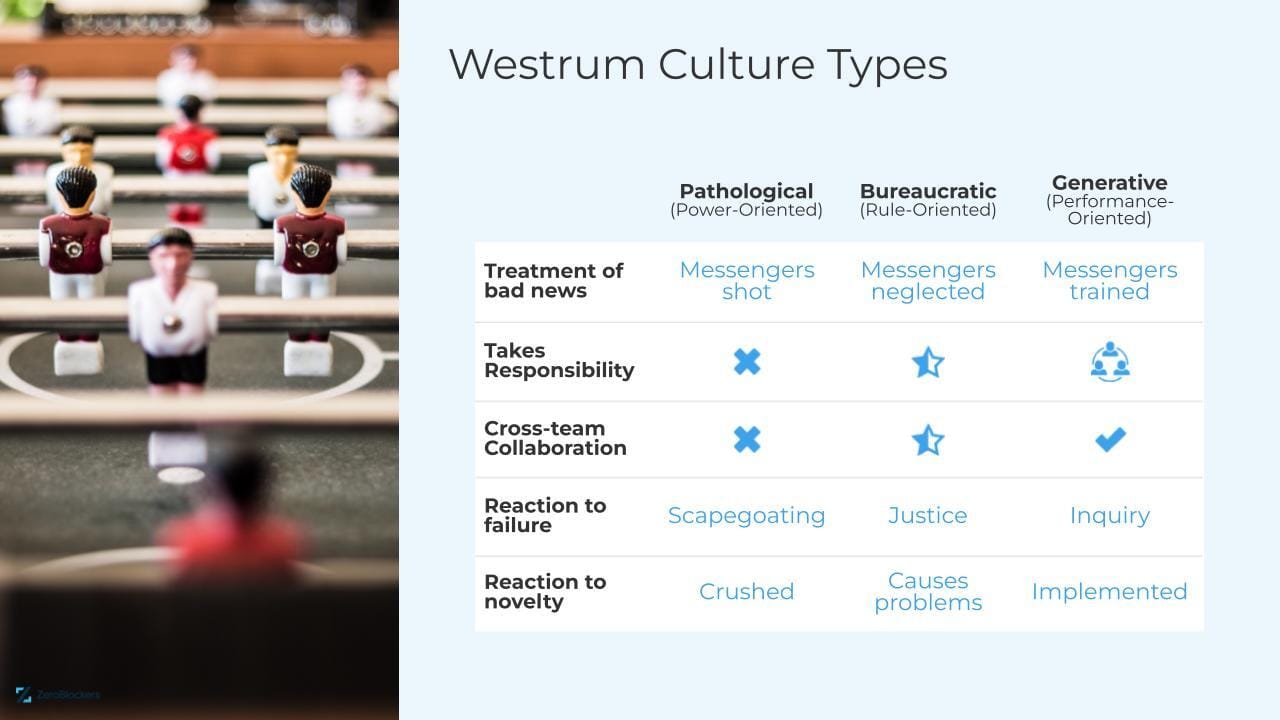
The Different Types of Company Culture
Ron Westrum studied how different organisations process information and he identified three types of company culture: pathological, bureaucratic, and generative. Each culture impacts the flow of information, decision-making, and overall organisational performance in distinct ways
Read edition ↗Cross-Functional #203: Decentralised Decision Making
Have you ever worried when delegating a task that the person will mess it up? That is the same fear that a lot of management teams have when empowering product teams to decide what features to build. Luckily we can break good decision making down to a formula:
Read edition ↗