UXDX Blog
The UXDX Blog has its own subscriptions, separate from our newsletters.
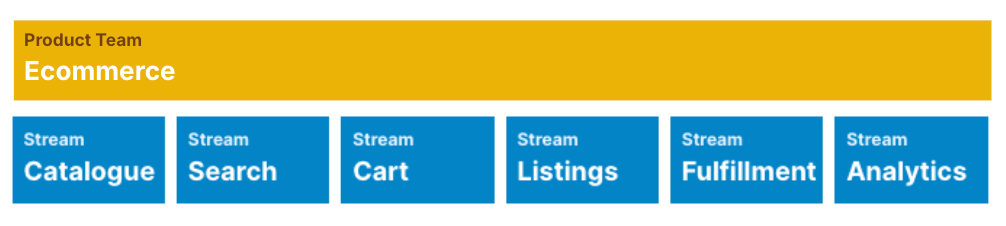
What are Stream Teams?
Software products are hard to build, particularly as they become successful and grow in complexity. In an ideal world, a single team would be able to manage the development of the product but there is only so much work that a single team can do.
Read edition ↗
Making Research Easy: Getting Teams to Adopt Continuous Research
You often hear teams complaining that their backlog is too large and that they already know what customers want, they just don’t have time to deliver on it. That is why generative research is often the first area to be sidelined. No amount of “selling the value” is going to chang
Read edition ↗
Cross-Functional #215: Stop trying to sell the value of Research/UX/Design
Who likes being sold to? The best sales people uncover people’s pain points and constraints and pitch their products to solve problems within those constraints.
Read edition ↗
Don't Try to Sell People on the "Value" of Research or Design
For over two decades, the design and research community has been writing articles and giving talks about how to pitch our value, how to get that mythical "seat at the table," and how to convince stakeholders that our work matters. Yet here we are, still facing layoffs and downsiz
Read edition ↗Cross-Functional #214: Can We Remove Dependencies?
Achieving autonomy is essential if you want to hold teams accountable for outcomes rather than just outputs. However, meaningful autonomy requires clear scope separation and independent codebases for each team. But is this truly feasible?
Read edition ↗
Product Pushback: "Making Teams Autonomous is Too Hard and Expensive!"
Achieving autonomy is essential if you want to hold teams accountable for outcomes rather than just outputs. Without autonomy, teams fall into what I call cover-your-ass development—an environment where people prioritise documentation, handovers, and sign-offs to protect themselv
Read edition ↗Cross-Functional #213: You can't manage dependencies
As companies scale, it often feels inevitable that the pace of delivery will slow down. However, this doesn’t have to be the case. The problem is that as we attempt to accelerate delivery through parallel releases, the number of dependencies between projects doesn't just increase
Read edition ↗
Slow Product Development? Dependencies are the Cause
This is often seen as the price you pay for scale. Larger companies just move slower than smaller companies. But it doesn’t have to be that way. The issue isn’t scale; it’s dependencies.
Read edition ↗Cross-Functional #212: Where does Annual Planning fit in?
Empowered teams get to decide what to build based on first-hand customer knowledge around pain points and unmet needs. Annual planning is the opposite, right? It is big upfront planning which often puts business goals above customer needs!
Read edition ↗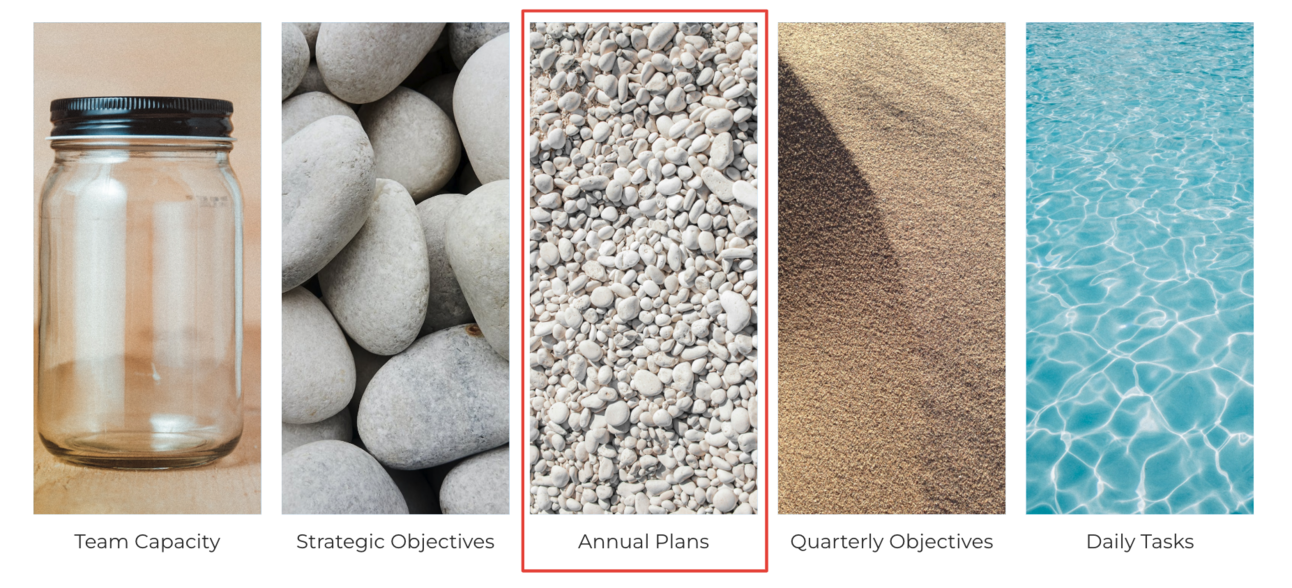
Empowered Teams still need Annual Plans
Empowered teams get to decide what to build based on first-hand customer knowledge around pain points and unmet needs. Annual planning is the opposite right? It is big upfront planning which often puts business goals above customer needs! That’s not quite true. Done right, annual
Read edition ↗Cross-Functional #211: Aligning KPIs with your Product Strategy
In this week’s newsletter, I shared an article from Jeff Gothelf that says product strategy should tie back to real revenue numbers. I agree, at the strategy level. But we also need KPIs that go a level deeper. Teresa Torres defines three levels of KPIs: business outcomes (revenu
Read edition ↗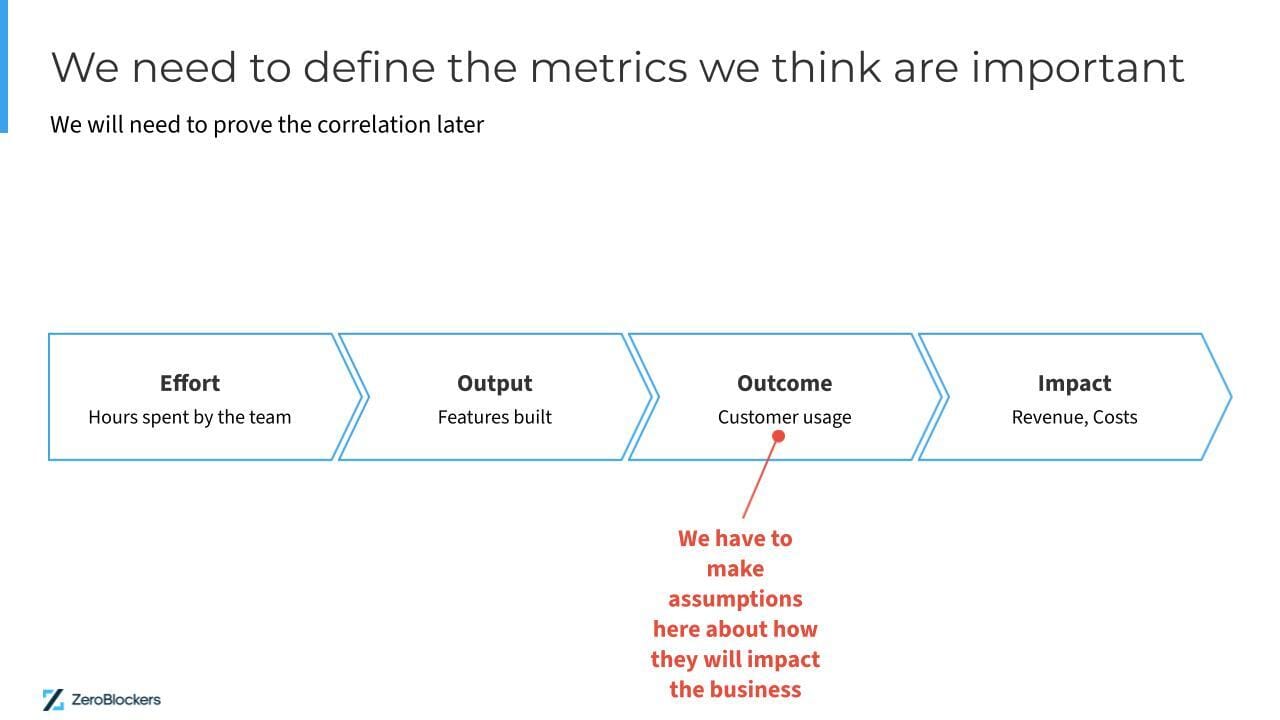
Aligning KPIs to Ensure Strategy Success
Culture eats strategy for breakfast. But culture is not this amorphous entity that companies do not have control over. Culture is what happens when companies reward certain behaviors and punish others. And that’s good news. It means that we can influence our culture.
Read edition ↗Cross-Functional #210: Good Strategy / Bad Strategy
A good strategy shares the context of why behind the decisions that have been made. People will invent a rationale if you don’t explain it. Sometimes they’ll be right, but other times they won’t. This will lead to ineffective decision making at a product level that can leave lead
Read edition ↗