UXDX Blog
The UXDX Blog has its own subscriptions, separate from our newsletters.

Cross-Functional #221: Documenting Research Interviews
‘Teresa Torres' book, Continuous Discovery Habits, is an absolute masterpiece. One of the chapters in the book introduces the interview snapshot; a one-pager template for capturing the most important insights from an interview.
Read edition ↗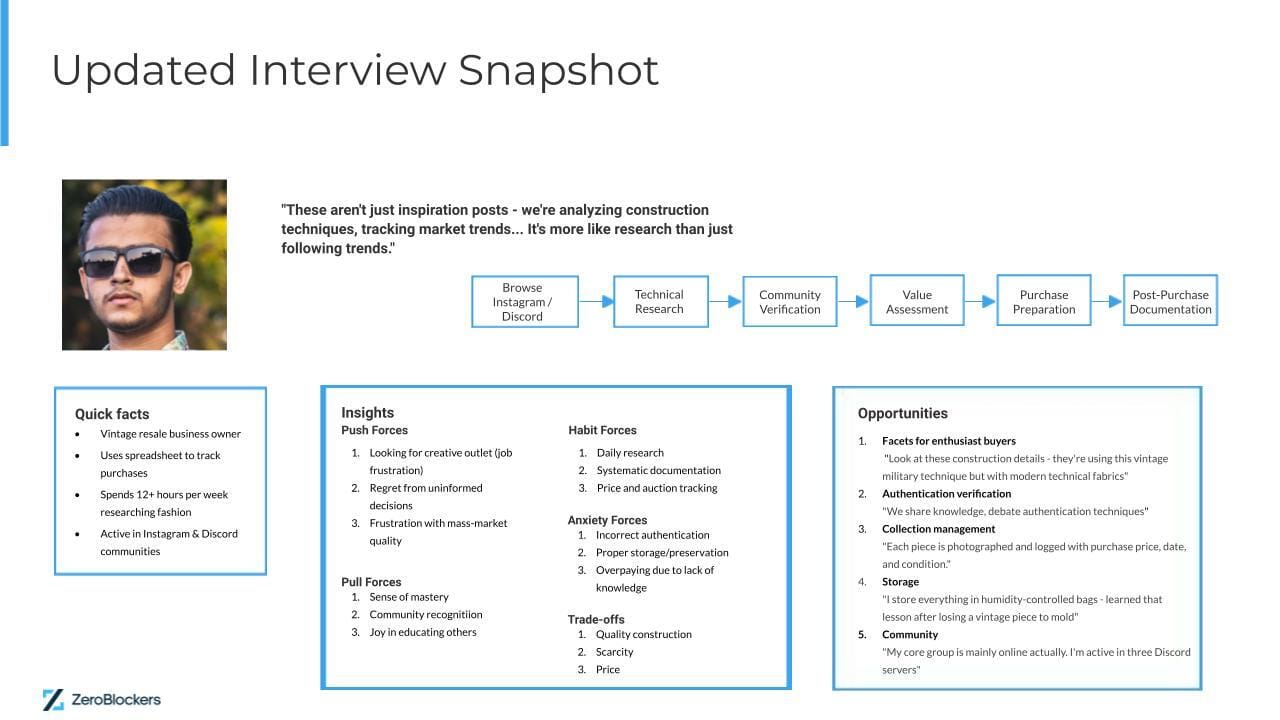
How to Document Research Interviews
When it comes to continuous interviewing, Teresa Torres is the leading expert. Teresa has written about her interview snapshot which she advocates for documenting user interviews. I think it is fantastic but I think there is an important addition that we can make to help both wit
Read edition ↗Cross-Functional #220: Whoops!
A small copy-and-paste error caused the articles to go missing in the #220 newsletter, hence we are sending an extra edition for this week with just the articles.
Read edition ↗Cross-Functional #220: Does it really matter how you phrase a research question?
Is it better to ask if someone likes a coat or how they feel when they wear it? Is it better to ask why someone bought a coat or why didn't they buy a sweater?
Read edition ↗
5 Different Research Interview Question Types
When we are asking questions in research interviews we need to follow a two-step process. The first step is to uncover the actions that the person is performing (the “what”). Once we understand how they are behaving we need to uncover the motivations leading to these actions (the
Read edition ↗Cross-Functional #219: Why Can't We Just Ask What People Want?
People are really bad at predicting how they will behave in a given situation. The truth is every single decision we make in life is driven by emotion and logic takes a backseat (this might sound crazy but it is true, there's research to back it up).
Read edition ↗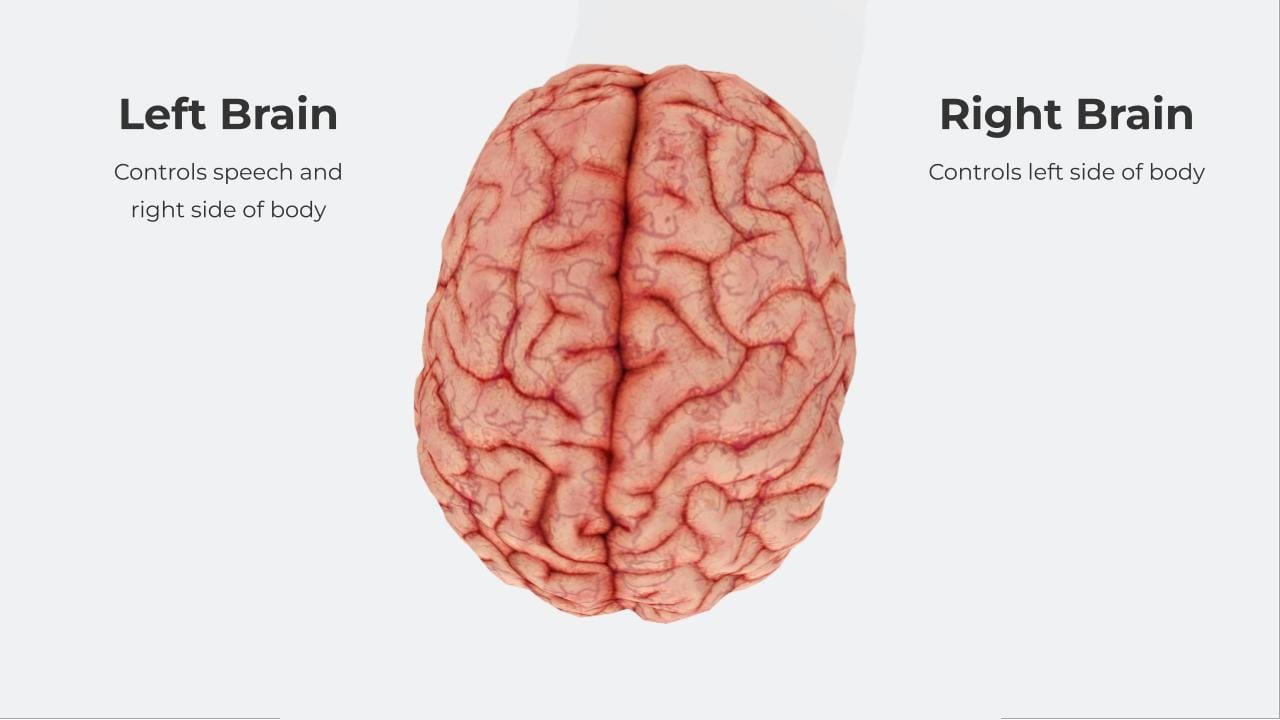
Why Can't We Just Ask What People Want?
Have you ever built a feature that your customers (or sales team) had been hounding you to build only to find out that people are barely using it, if at all? Well you are not alone. Despite the push for outcomes over outputs, this is the way that most teams still operate. And the
Read edition ↗
How T. Rowe Price Scaled a Design System by Treating It Like a Product
Design systems fail for one simple reason: they’re treated like projects, not products. At T. Rowe Price, this mindset shift led to explosive adoption, seamless scalability, and high performing empowered teams.
Read edition ↗Cross-Functional #218: Ranking Continuous Research Methodologies
Not all research methods are equally suited for continuous research, where the focus is on trying to get high-quality signals as quickly and cheaply as possible.
Read edition ↗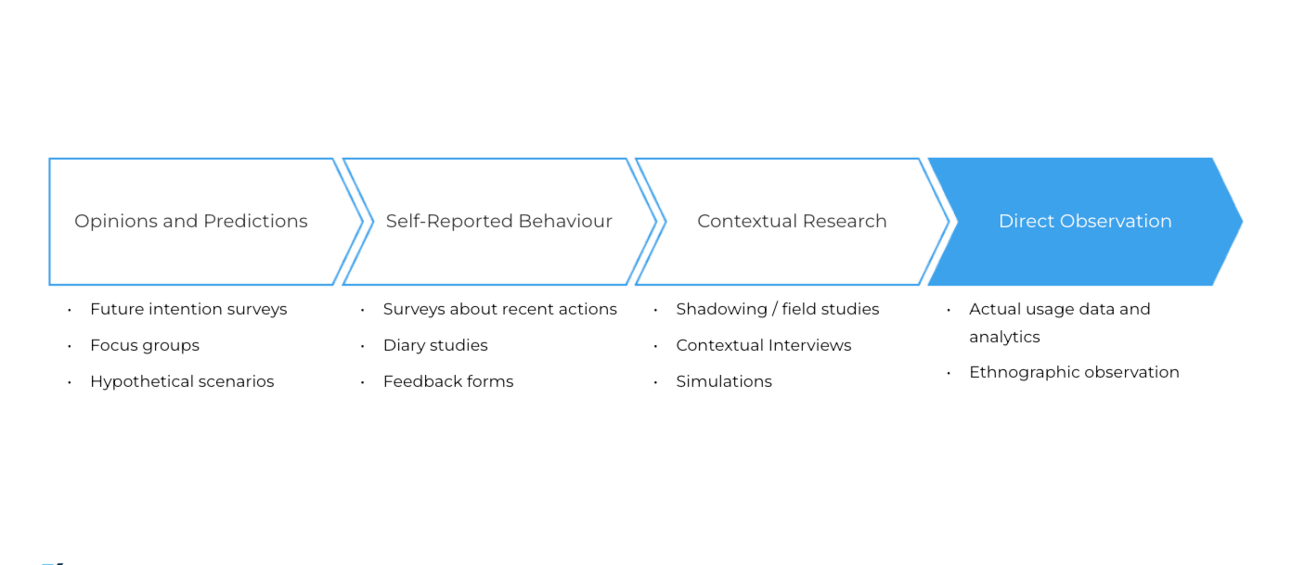
Ranking Continuous Research Methodologies
To effectively rank different research methodologies, we must first establish clear criteria for each dimension of evaluation. We are going to look at how some common methods work across four different dimensions:
Read edition ↗Cross-Functional #217: What about deep, market-level research?
Last week, we explored how to help more teams adopt research by making it quick, accessible, and lightweight. But not all research can, or should, fit into a two-hour-per-week window. While traditional organisational structures often centralise all research, from specific product
Read edition ↗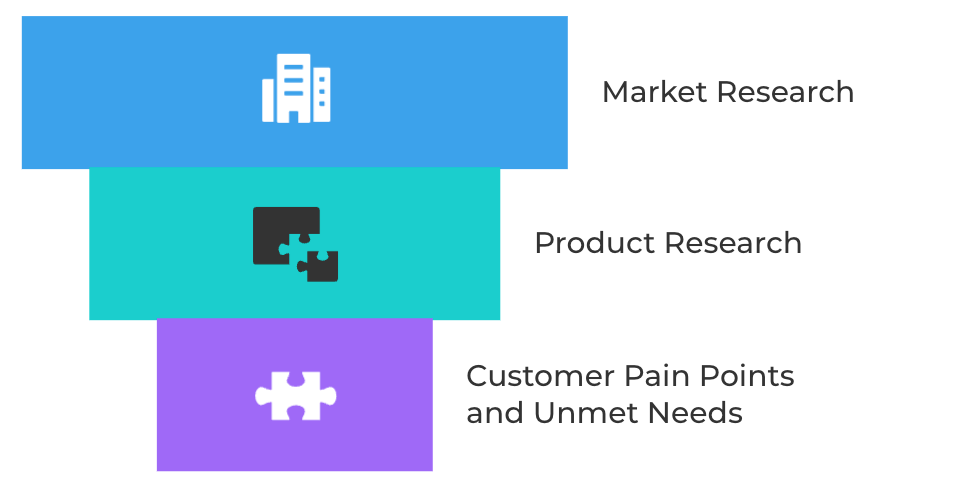
Balancing Quick Decentralised Research with Deeper Market Research
In our article about making research easy, we focused on quick, lightweight methods that stream teams can use to keep regularly connected to user needs. But we also recognised the need for deeper, more detailed research as well. To tackle this dual challenge, we need to define a
Read edition ↗Cross-Functional #216: Getting Teams to Adopt Continuous Research
Last week, we talked about how we need to stop selling the value of research; we’ve tried it for decades and it is not working. Instead, we need to make research fit into the current ways of working. And that means making research quick and cheap!
Read edition ↗