UXDX Blog
The UXDX Blog has its own subscriptions, separate from our newsletters.
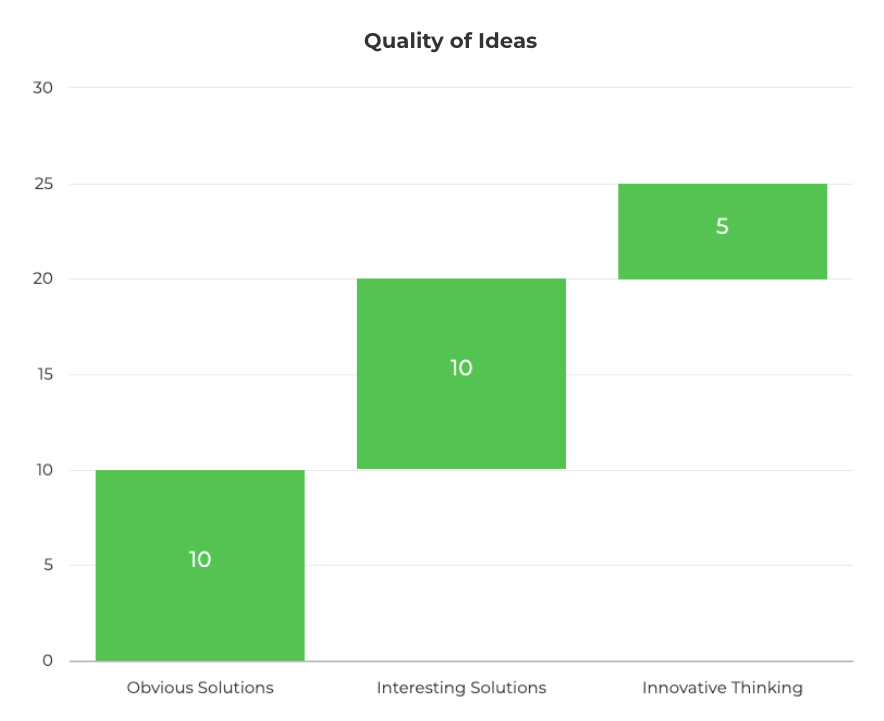
The 3 Pillars of Good Ideation—Fluency, Flexibility, and Originality
Ideation sessions can sometimes feel like a waste of time. Your ideas are just minor incremental improvements or copies of features that competitors have already implemented. You’ve invested a huge amount of time and effort gathering everyone together but you haven’t uncovered th
Read edition ↗
The Product Model #227: How to Create a Research Plan
The research space is virtually infinite. We could spend all of our research time and effort talking to the wrong people about the wrong topics.
Read edition ↗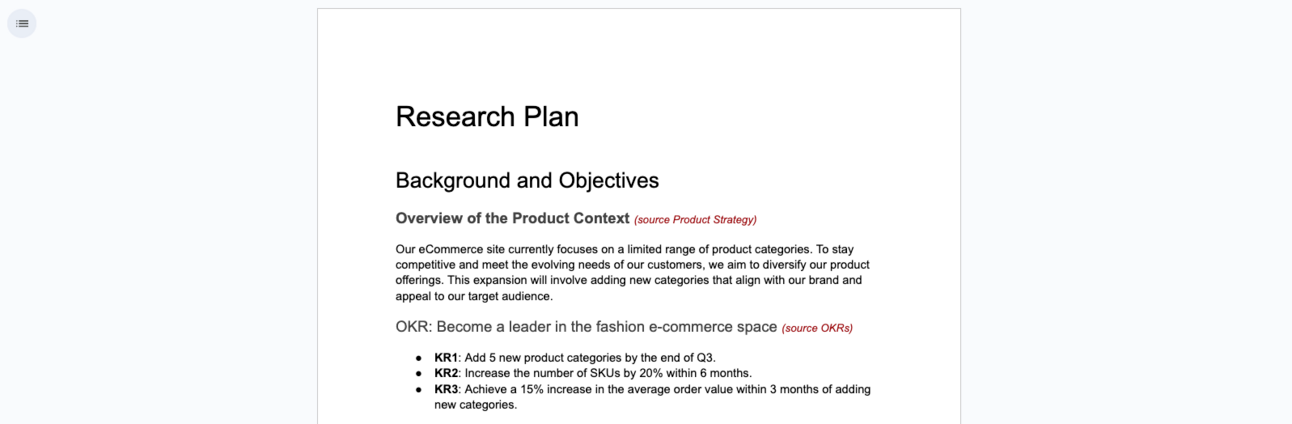
How to Create a Research Plan
A well-structured research plan helps teams focus on what truly matters for the product. But writing a research plan is a distraction from the core goal: doing the actual research work. So we need to make it as quick and easy to create as possible. Let’s review the core sections
Read edition ↗Cross-Functional #226: Stream Teams Don't Need to Communicate their Research
The biggest risk with research is that it sits on a shelf gathering dust. So naturally researchers are keen to communicate and evangelise their research insights.
Read edition ↗
Stream Teams Don't Need to Communicate their Research
At first glance, Stream Teams might look similar to traditional project teams. Both include the full range of skills needed to deliver value to customers - analysts, designers, developers, and more. However, the way these teams operate is fundamentally different.
Read edition ↗Cross-Functional #225: Comparing Different Opportunity Prioritisation Frameworks
RICE, Kano, Cost of Delay or your home grown ranking method. What is the best way to prioritise different opportunities?
Read edition ↗
Comparing Different Opportunity Prioritisation Frameworks
With limited resources and time, how do you choose between multiple promising opportunities? While there are various frameworks and formulas available, the reality of prioritisation is more nuanced than plugging numbers into a spreadsheet.
Read edition ↗Cross-Functional #224: How To Tame Your Unruly Opportunity Solution Trees
Every article you read about Opportunity Solution Trees (OST) shows the same thing: a beautifully organised diagram with clear hierarchies, thoughtfully organised opportunities, and neatly arranged solutions. But if you've used OSTs in practice, you know the reality: they get mes
Read edition ↗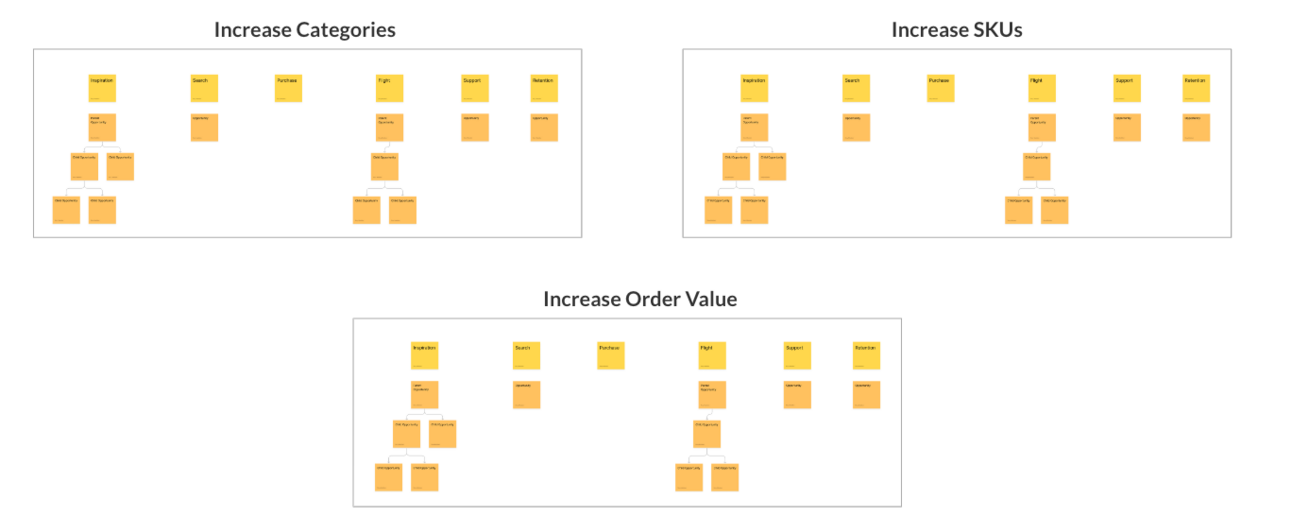
How to Tame your Unruly Opportunity Solution Trees
Your OST starts simple enough. You have a clear business objective, a neat user journey, and a handful of opportunities you've identified through research. Everything fits nicely on one canvas, and the relationships are clear.
Read edition ↗Cross-Functional #223: Documenting Research Insights
Should you create a report, a user-journey map, an affinity map or an opportunity solution tree to document your research insights?
Read edition ↗
Ranking Different Research Insight Documentation Approaches
To effectively rank different documentation methods, we must first establish clear criteria for each dimension of evaluation. We are going to look at how some common documentation approaches work across three different dimensions:
Read edition ↗Cross-Functional #222: Running Productive Research Interviews
I attended a workshop on interviewing by Bob Moesta a few years back. Instead of just talking theory, Bob did a live interview during the workshop and it was one of the most eye-opening experiences in terms of witnessing how effective someone who is really skilled in interviewing
Read edition ↗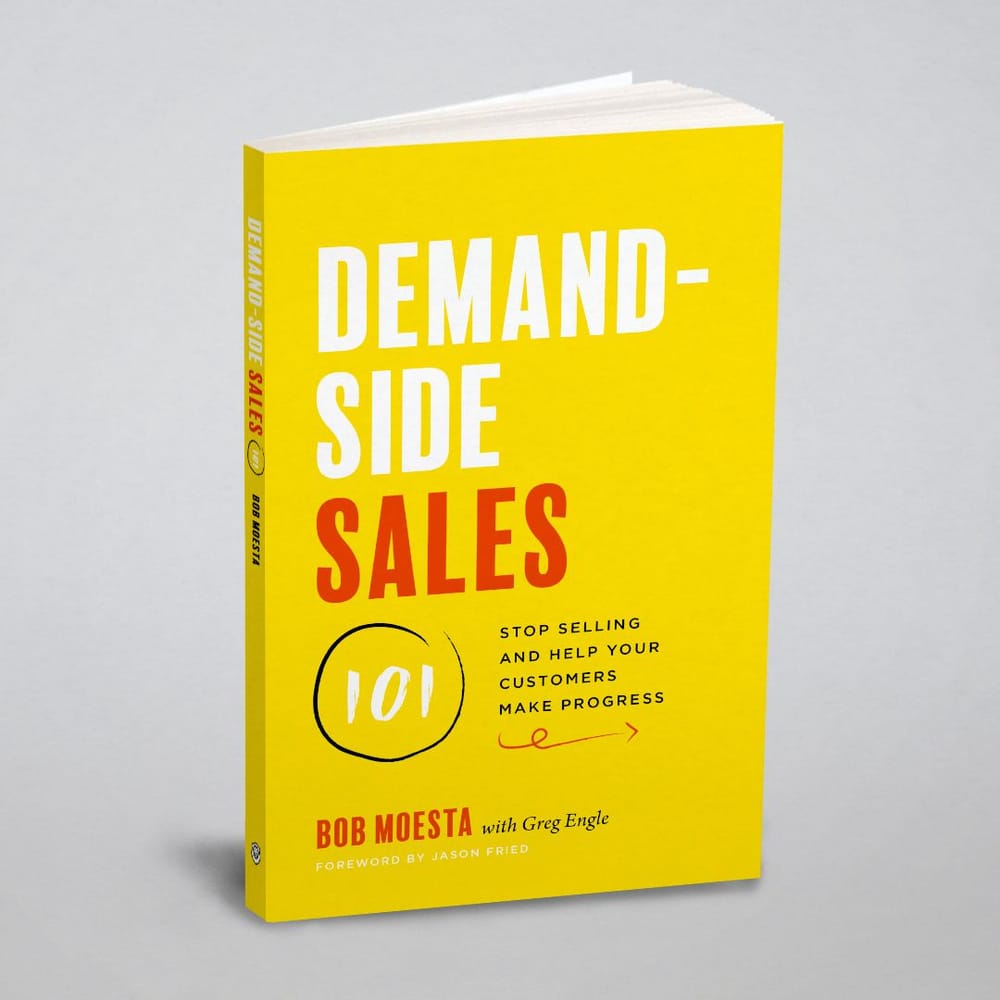
How to Run a Productive Generative Research Interview
When it comes to understanding why customers make the choices they do, few people have made a greater impact than Bob Moesta. As the co-creator of the Jobs-to-be-Done (JTBD) framework, developed alongside Clayton Christensen, Moesta has dedicated his career to uncovering the hidd
Read edition ↗