UXDX Blog
The UXDX Blog has its own subscriptions, separate from our newsletters.
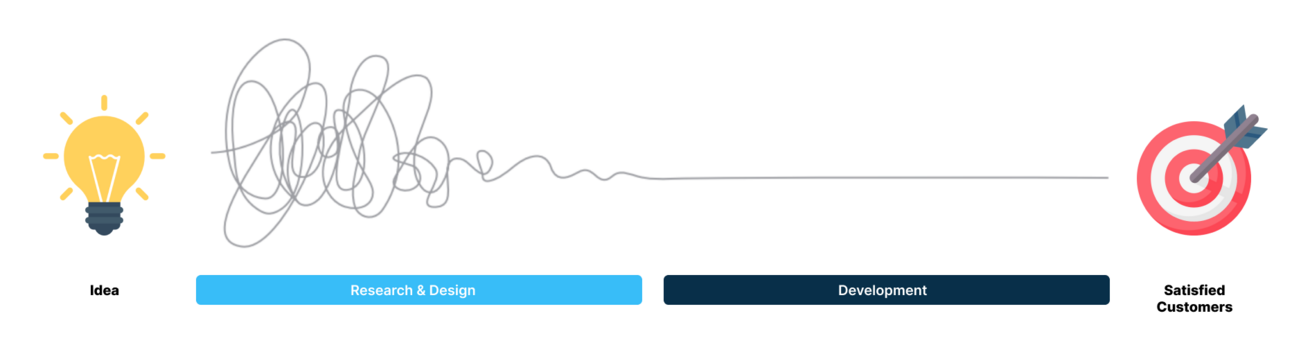
The Biggest Lie that Designers Believe about Software Development
This way of thinking leads to the false assumption that all of the exploration, creativity and iteration should occur during the design phase. But thinking that the job of the developers is just to turn designs into code undermines collaboration, increases frustration and results
Read edition ↗
The Product Model #232: Prioritising Assumptions
A thorough assumption-mapping exercise might reveal 20, 30, or even more assumptions for a single feature. We don't have time to test all of them so we need to be strategic about which assumptions we validate first.
Read edition ↗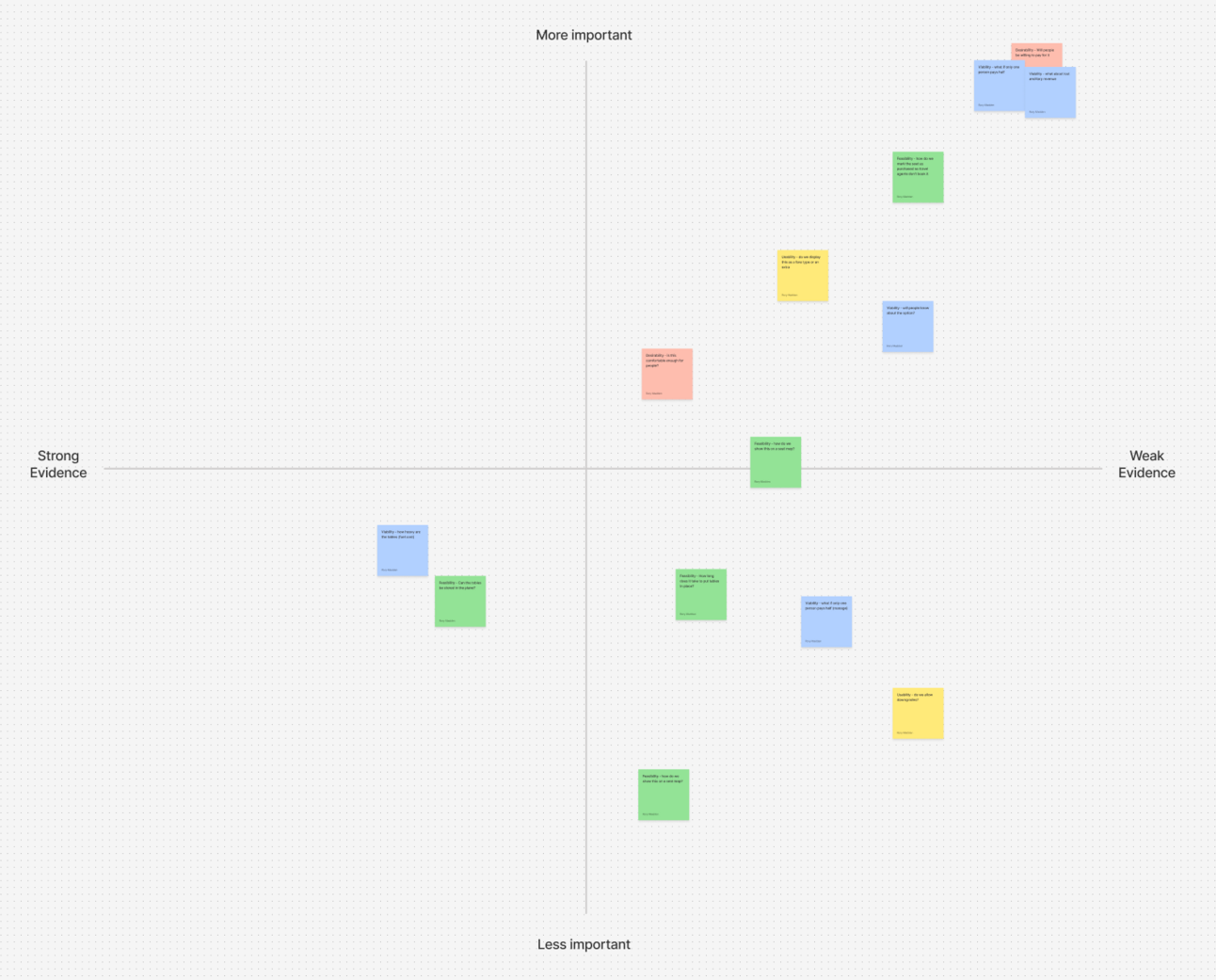
Prioritising Assumptions
A thorough assumption-mapping exercise might reveal 20, 30, or even more assumptions for a single feature. It might feel safer to test everything, but we don’t have time for that, so this means that we need to be strategic about which assumptions we validate first. But how do you
Read edition ↗The Product Model #231: Identifying the Assumptions that Underpin your Features
Every product or feature we build rests on a foundation of assumptions about how users will behave. If these assumptions are wrong it could sink our whole feature. That's why identifying the key assumptions is critical to enable us to test our designs before we over-invest in bui
Read edition ↗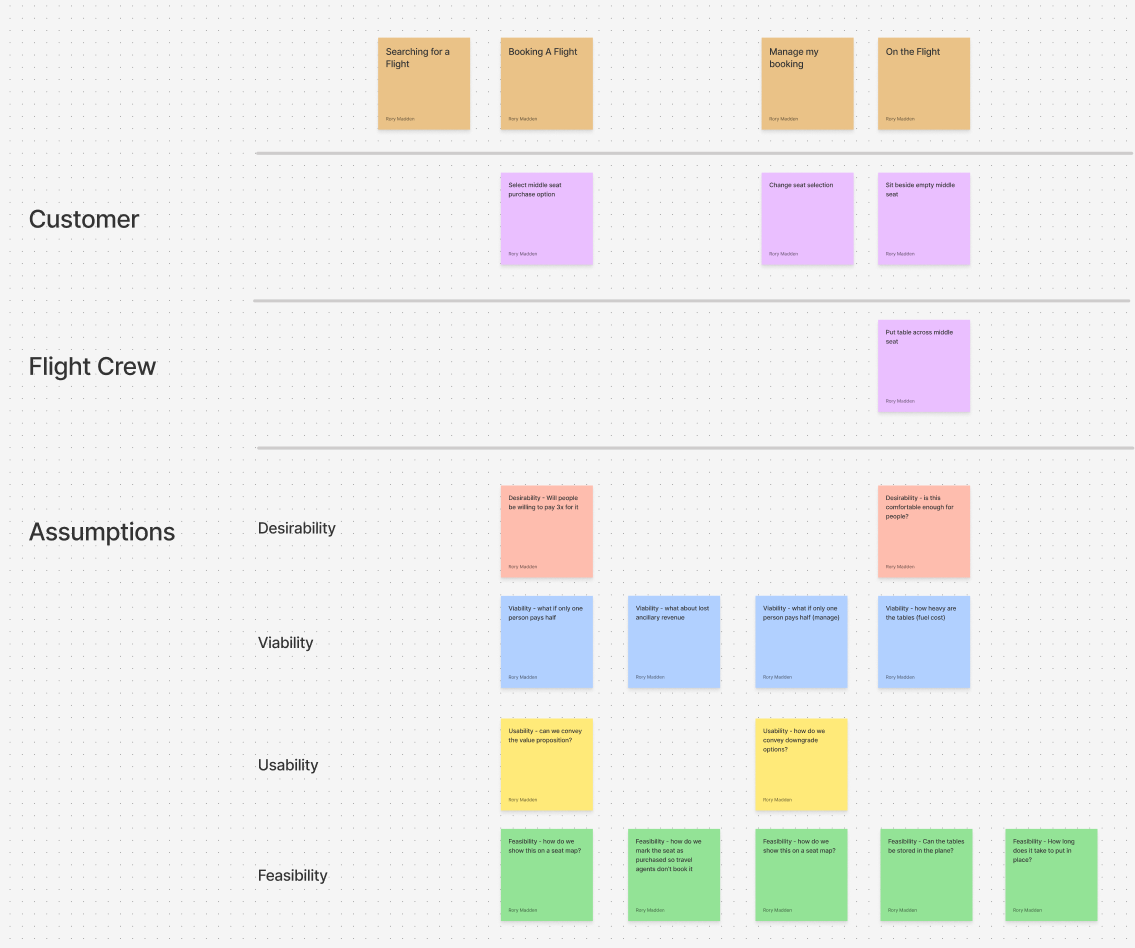
3 Different Methods for Identifying Assumptions
Think about the last feature you launched that didn't work as well as you were expecting it to. Maybe you assumed users would take the time to fill out detailed profiles, or that they'd regularly check their notification settings, or that they'd understand your clever new interac
Read edition ↗The Product Model #230: Stop trying to argue for the value of design
It’s so obvious. If we invest a little bit more time in design upfront then we will save so much time and money by building better products that customers actually love.
Read edition ↗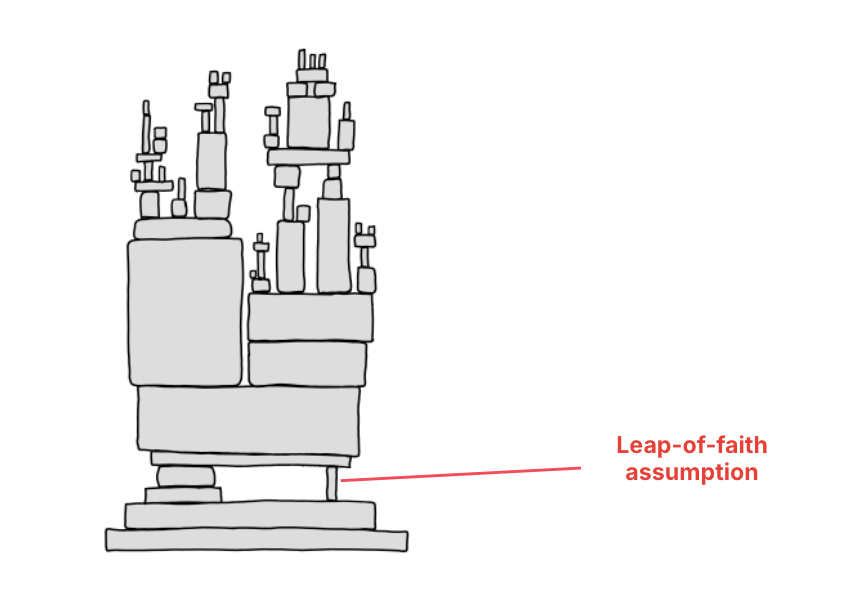
How to Get Past Arguing for the Value of Design, and Actually Start Doing Experiments
It’s so obvious. If we invest a little bit more time in design upfront then we will save so much time and money by building better products that customers actually love. And yet, somehow, our arguments fail to convince people. The focus stays on delivery and getting the feature b
Read edition ↗The Product Model #229: How to Run an Effective Ideation Session
Have you ever left a brainstorming session feeling more frustrated than inspired? The reasons that ideation sessions often fall flat comes down to a few predictable challenges but luckily there are proven techniques to overcome these challenges and help your team generate creativ
Read edition ↗
How to Run an Effective Ideation Session
We’ve covered before that you need fluency, flexibility and originality to come up with high quality ideas, but running an ideation session to encourage those qualities can be a challenge.
Read edition ↗The Product Model #228: The 3 Pillars of Good Ideation
Have you ever gotten stuck in an ideation session when trying to come up with new ideas? The blank page can be quite daunting, but the common advice is to push through because quantity equals quality. But quantity on it's own is not enough.
Read edition ↗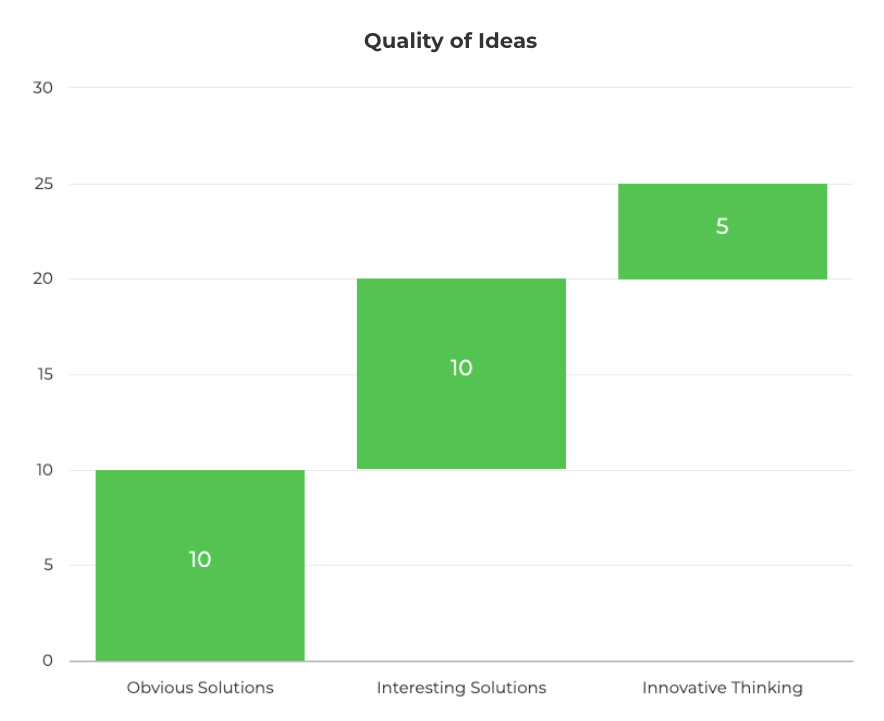
The 3 Pillars of Good Ideation—Fluency, Flexibility, and Originality
Ideation sessions can sometimes feel like a waste of time. Your ideas are just minor incremental improvements or copies of features that competitors have already implemented. You’ve invested a huge amount of time and effort gathering everyone together but you haven’t uncovered th
Read edition ↗The Product Model #227: How to Create a Research Plan
The research space is virtually infinite. We could spend all of our research time and effort talking to the wrong people about the wrong topics.
Read edition ↗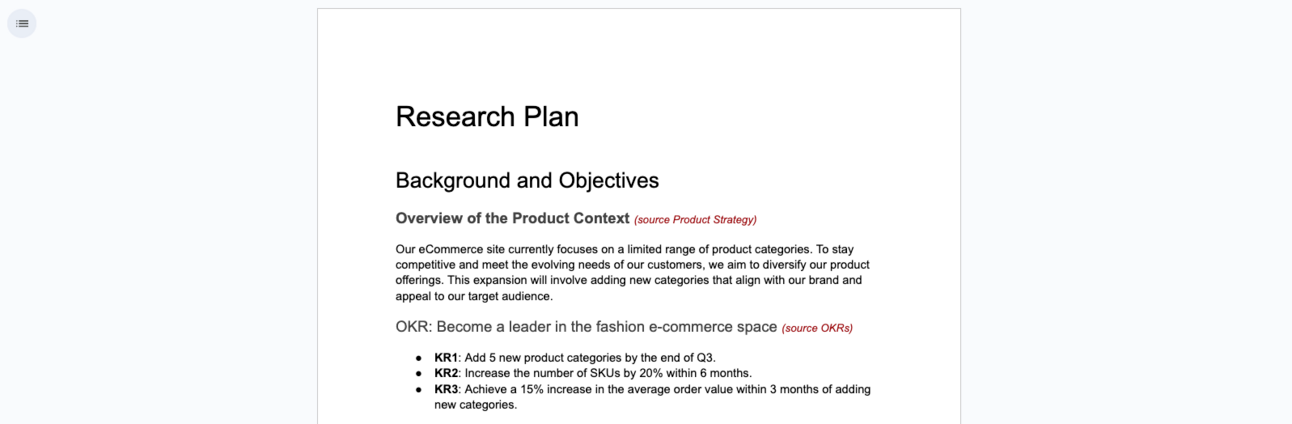
How to Create a Research Plan
A well-structured research plan helps teams focus on what truly matters for the product. But writing a research plan is a distraction from the core goal: doing the actual research work. So we need to make it as quick and easy to create as possible. Let’s review the core sections
Read edition ↗