UXDX Blog
The UXDX Blog has its own subscriptions, separate from our newsletters.
The Product Model #290 - Single Threaded Leaders: Breaking Through the KPI Prison
When companies launch transformational initiatives, they typically assign them to existing leaders who are already measured on current business KPIs. This creates an inevitable conflict: leaders will always prioritize the metrics they're evaluated on over new strategic projects.
Read edition ↗
Best use of AI Finalists: Three Teams Integrating AI
The Best Use of AI Award is for teams that have meaningfully integrated AI into their workflow or product. As a change in how they work, make decisions, or build better products. This year’s final three show three different ways AI
Read edition ↗
Impact Award Finalists: Three Teams Turning Evidence Into Real Outcomes
The Impact Award is for teams whose evidence directly drove real outcomes, including user adoption, retention, and conversion. This year’s final three tell three very different but equally strong stories: * All human & Power NI, for redesigning Help & Support to
Read edition ↗
Single Threaded Leaders: Breaking Through the KPI Prison
“Culture eats strategy for breakfast” is a phrase so often repeated that it risks becoming cliché. But it’s true. And this is never more obvious than when companies try to pursue a new direction while anchored to the KPIs, habits, and incentives of their current operating model.
Read edition ↗The Product Model #289 - Empowering Strategic Decision-Making For Product Teams
When companies empower teams without providing strategic context, a predictable pattern emerges: teams make logical decisions based on incomplete information while leadership sees these choices as misguided.
Read edition ↗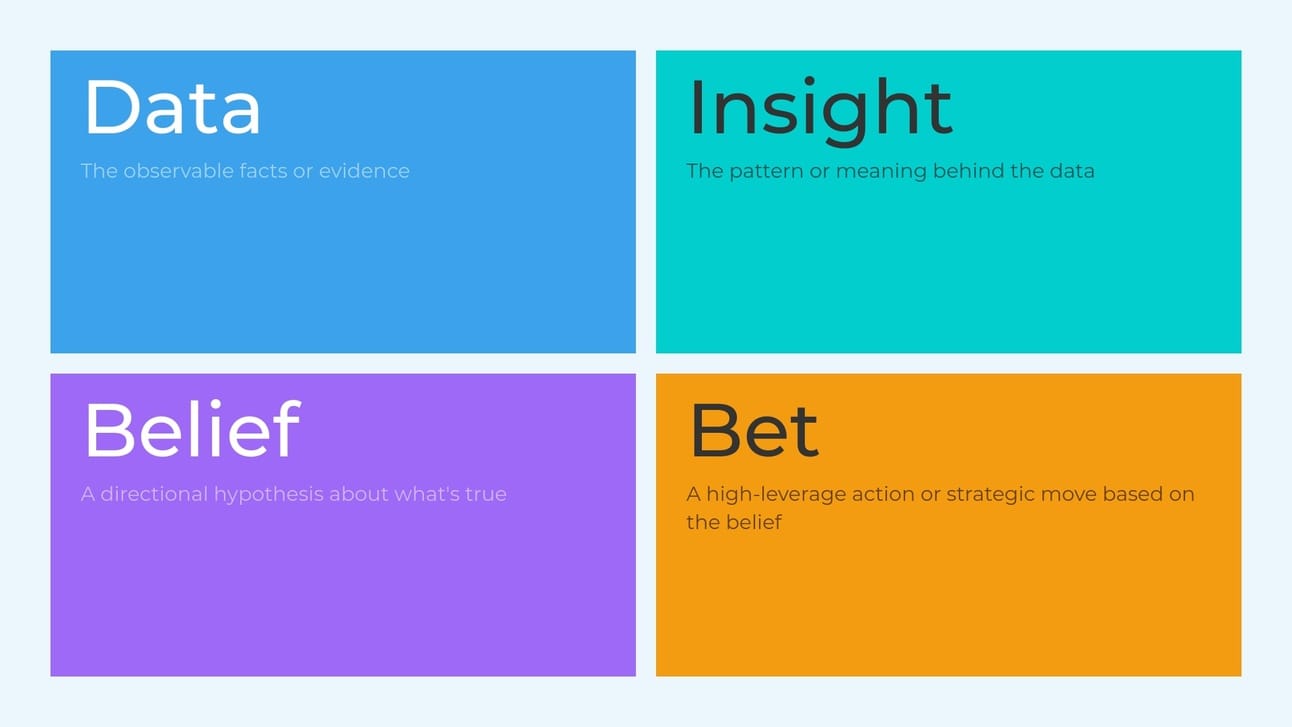
DIBB Framework: Empowering Strategic Decision-Making for Product Teams
Consider this scenario: Product metrics show rising churn rates. Previously, managers with access to sales and customer service data would define the necessary product changes. But companies have learned that top-down "solutions" often miss the mark. So you empower your team with
Read edition ↗The Product Model #288 - How To Create A Compelling Product Vision
The most effective visions paint vivid pictures of customer transformation through a systematic four-step approach:
Read edition ↗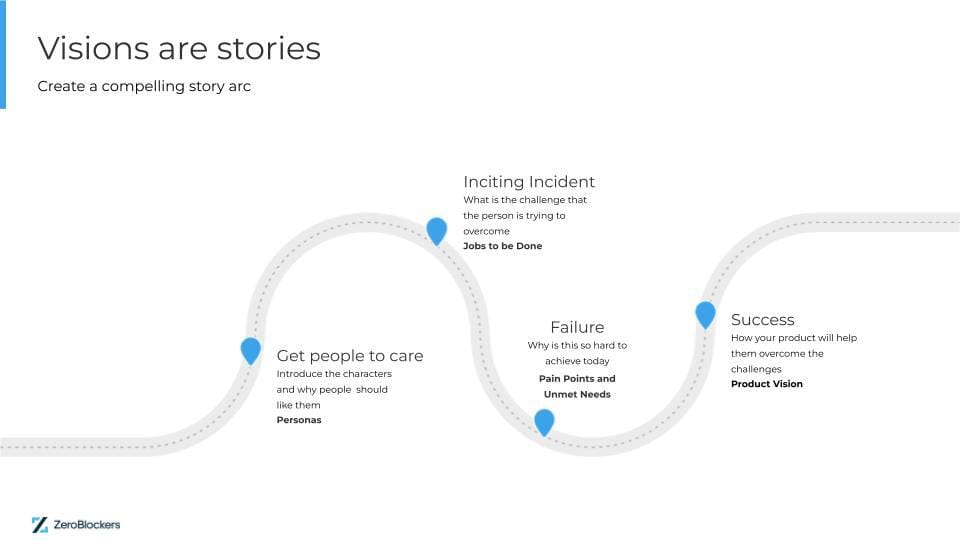
How to Create a Compelling Product Vision: A Step-by-Step Guide
The most effective product visions paint a vivid picture of how your customers' lives will be transformed by your product. Creating this kind of compelling vision requires a systematic approach that puts your customers at the center. By following four core steps, you can craft a
Read edition ↗The Product Model #287 - Analysing A Successful Product Vision
Most product visions end up as abstract statements that sound impressive but fail to inspire action or drive decision-making. To understand what makes a vision truly powerful, we analysed SpaceX's Mars mission video, which transforms the company from a transportation logistics pr
Read edition ↗
Analysing a Successful Product Vision: SpaceX
The video is structured in four distinct acts that mirror classical storytelling structures. Each scene serves a specific narrative purpose, building toward a conclusion that leaves viewers believing in the impossible.
Read edition ↗The Product Model #286 - Cross-Functional Teams vs. Teams of Functions
Many organizations believe they have cross-functional teams when they actually have "teams of functions" - groups where each member still reports to separate functional managers, follows distinct processes, and adheres to rigid role boundaries with formal handovers between discip
Read edition ↗
Cross-Functional Teams vs. Teams of Functions: The Hidden Difference That Defines High-Performing Product Teams
Behind the scenes, each function reports to a different manager, follows distinct processes, maintains functional KPIs, and works in strict handover sequences. In reality, these are teams of functions, not cross-functional teams. The distinction is subtle but it explains why so m
Read edition ↗The Product Model #285 - All Jobs Have Four Layers. AI Wants Three of Them.
Level 1 is task execution. Level 2 is choosing the right solution and trade-offs. Level 3 is deciding what problem is worth solving. Level 4 is setting direction under uncertainty.
Read edition ↗