UXDX Blog
The UXDX Blog has its own subscriptions, separate from our newsletters.

All Jobs Have Four Layers. AI Wants Three of Them.
If you work in product development, as an engineer, designer, product manager, or researcher, you're watching AI reshape your profession in real time. The question isn't whether AI will change your work. It's when, how much, and what you should do about it.
Read edition ↗
The Product Model #284 - Truth Is Becoming Your Scarcest Resource
AI has made competent analysis cheap. What it cannot give you is the messy, human truth: what is actually happening, which assumptions are wrong, and what people are not saying out loud.
Read edition ↗
In an AI World, Truth Becomes Your Scarcest Resource
AI has made analysis abundant. You can model more scenarios, stress-test more assumptions, and surface more data than ever before. But there's a category of information AI can't provide: what's really happening on the ground, which assumptions are wrong, and what people aren't te
Read edition ↗The Product Model #283 - The Role Of Stream Teams In ZeroBlockers
Empowered, autonomous teams can design and build better products because they are closer to the customers and can get quicker feedback.
Read edition ↗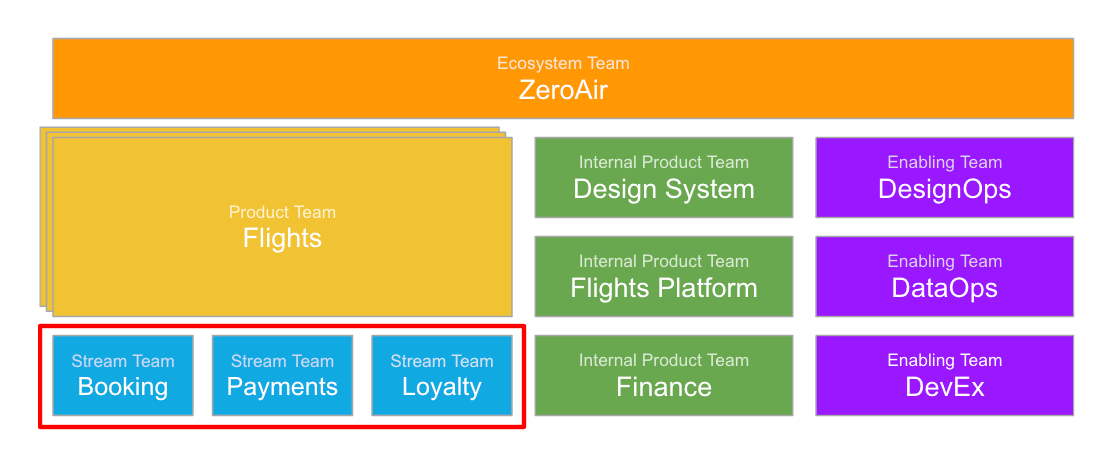
The Role of Stream Teams in ZeroBlockers
A Stream Team represents the smallest unit capable of delivering end-to-end value to customers. Unlike traditional development teams that might focus solely on coding, Stream Teams operate with significant autonomy and are responsible for their value stream from idea through to s
Read edition ↗The Product Model #282 - Outcomes Become Your Competitive Advantage
When anyone can generate a solid PRD, a decent design direction, or a passable analysis in minutes, the edge is no longer how well you produce. It is whether you are working on the right thing, and whether it actually moves an outcome.
Read edition ↗
As AI Commoditises Outputs, Outcomes Become Your Competitive Advantage
In 2022, Airtable's product team had a challenge processing feedback from customers. After rapid growth from 150 to 700 employees, customer feedback was pouring in through Slack, email, support tickets, and sales calls. Nobody could make sense of it.
Read edition ↗The Product Model #281 - The Technical Debt Machine & Managing AI Slop
AI will build whatever you ask for, quickly and confidently. That is exactly why it is dangerous. It will not challenge the brief, spot the long-term trade-offs, or warn you when a “reasonable” choice breaks your architecture, your design system, or your product strategy.
Read edition ↗
The Technical Debt Machine: How to Manage the Risk of AI Slop
Ask it to build a feature, and it will. Ask it to write a database query, and it will. Ask it to design a user flow, and it will. It won't question whether the feature solves the right problem. It won't warn you that the query will create performance issues at scale. It won't poi
Read edition ↗The Product Model #280 - The Risk Of NOT Empowering Teams
When products fail to deliver expected business value, most organisations respond by tightening control through more detailed business cases, approval layers, and coordinators.
Read edition ↗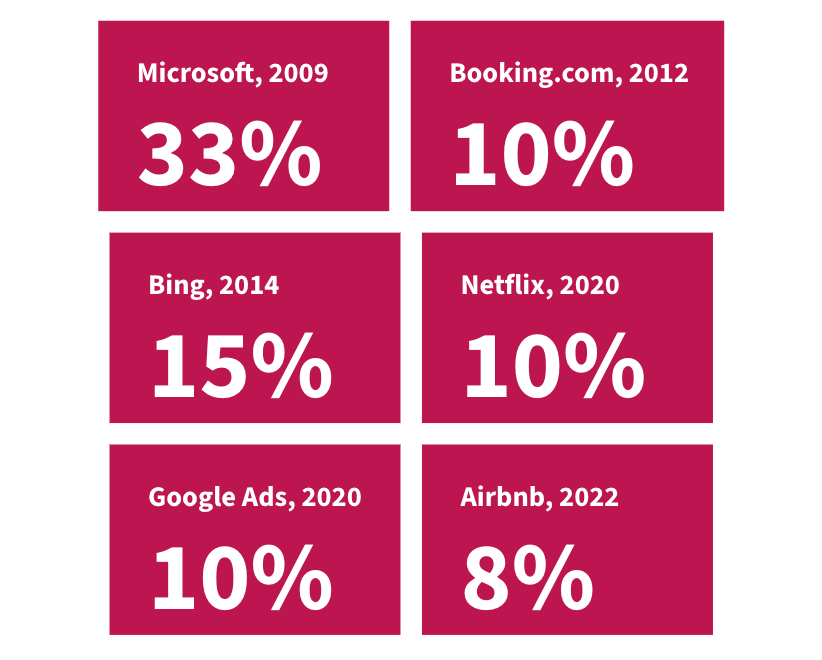
The Risk of NOT Empowering Teams
90% of product features fail to deliver their expected business value. That’s not a typo. According to research by Ron Kohavi, a former VP at Microsoft and technical fellow at Airbnb, most of what we ship doesn’t work the way we think it will.
Read edition ↗The Product Model #279 - How AI Is Reshaping Workforce Structure
The old workforce pyramid was built on a simple trade: junior hires did high-volume execution, and in return, they got repetition, proximity, and time to develop judgment. AI is removing the economic need for that base, and with it, the default training path most organisations re
Read edition ↗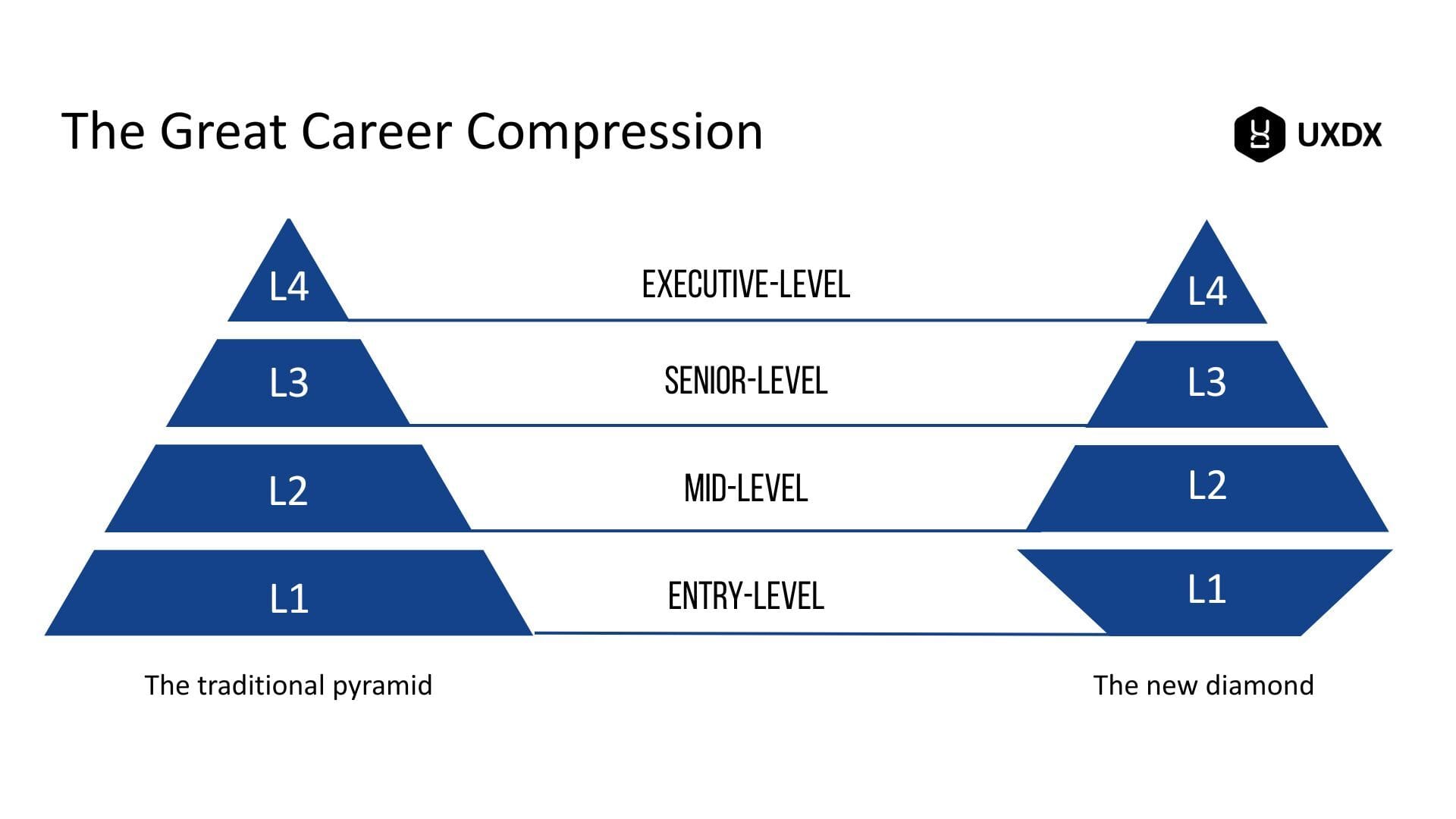
The Pyramid Is Collapsing: How AI Is Reshaping Workforce Structure
For decades, organizations were pyramids. A broad base of junior employees supported narrower layers above. Entry-level hires did the grunt work, writing tickets, processing data, creating basic designs, conducting routine research, while slowly building the judgment that would c
Read edition ↗