UXDX Blog
The UXDX Blog has its own subscriptions, separate from our newsletters.

The Product Model #278 - AI Makes Work Easier, And Growth Harder
AI is making it radically easier to produce impressive work, but it is quietly removing the friction that used to build judgment.
Read edition ↗
AI Makes Work Easier, and Growth Harder
A junior designer used to spend three days creating fifteen layout variations for a landing page. It was a slow, sometimes agonizing process, but each iteration taught them something. The third version revealed that the hierarchy wasn't working. The seventh exposed an inconsisten
Read edition ↗The Product Model #277 - The 4 Questions That Define Your Career Stage
Job titles and years of experience are noisy signals now. A “senior” title can mean execution in one company and strategic judgment in another. A clearer way to understand your actual career stage is to examine the question you are answering most frequently each week.
Read edition ↗
AI has Collapsed the Career Ladder. The Four Questions That Define Your Career Stage
A "Senior Product Manager" at Google does fundamentally different work than a "Senior Product Manager" at a 50-person startup. An "Associate Designer" at a pre-seed company might be making high-stakes decisions that a "Principal Designer" at an enterprise never touches.
Read edition ↗The Product Model #276 - The 4 Risks of Empowering Teams
The Product Operating Model, which empowers teams to build solutions based on direct customer conversations, should improve product outcomes, but some key risks can derail your efforts.
Read edition ↗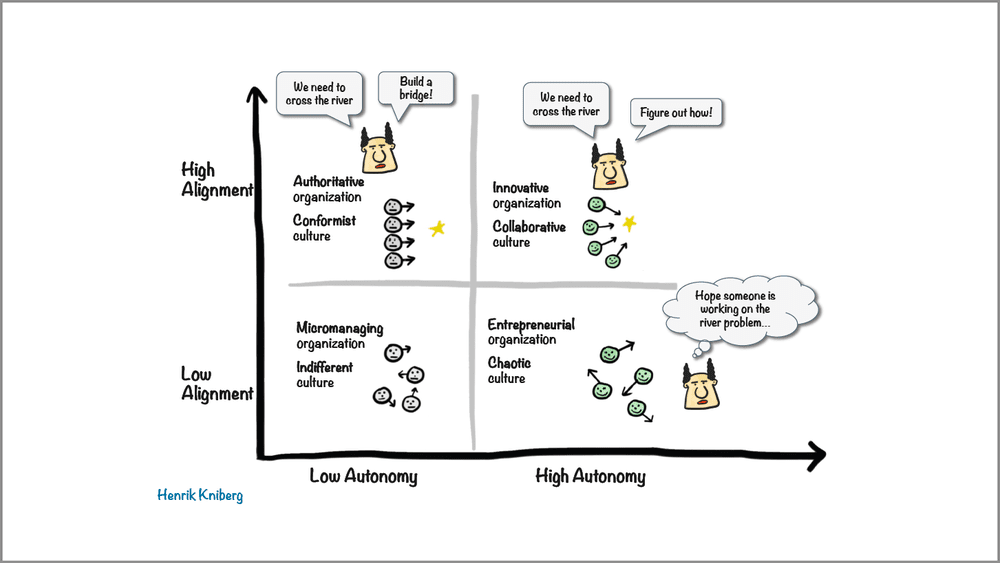
The 4 Risks of Empowering Teams
90% of product features fail to deliver the expected business value according to research by Ron Kohavi.
Read edition ↗The Product Model #275 - Team Dependencies Kill Performance
Dependencies remove autonomy, which kills accountability. Once you have handoffs, you allow people the wiggle room to throw up their hands and say, "I did my job".
Read edition ↗
The 4 Types of Team Dependencies That Kill Performance (and How to Spot Them)
While most organisations talk about improving alignment and speed, they rarely diagnose the structural constraints that quietly erode both.
Read edition ↗The Product Model #274 - Why We Need A Brooks' Law For Teams
Brooks' Law showed us that adding people to a late project makes it later due to the exponential increase in communication overhead. But modern organizations face a more complex challenge: managing portfolios of interconnected products with dozens of teams sharing resources, infr
Read edition ↗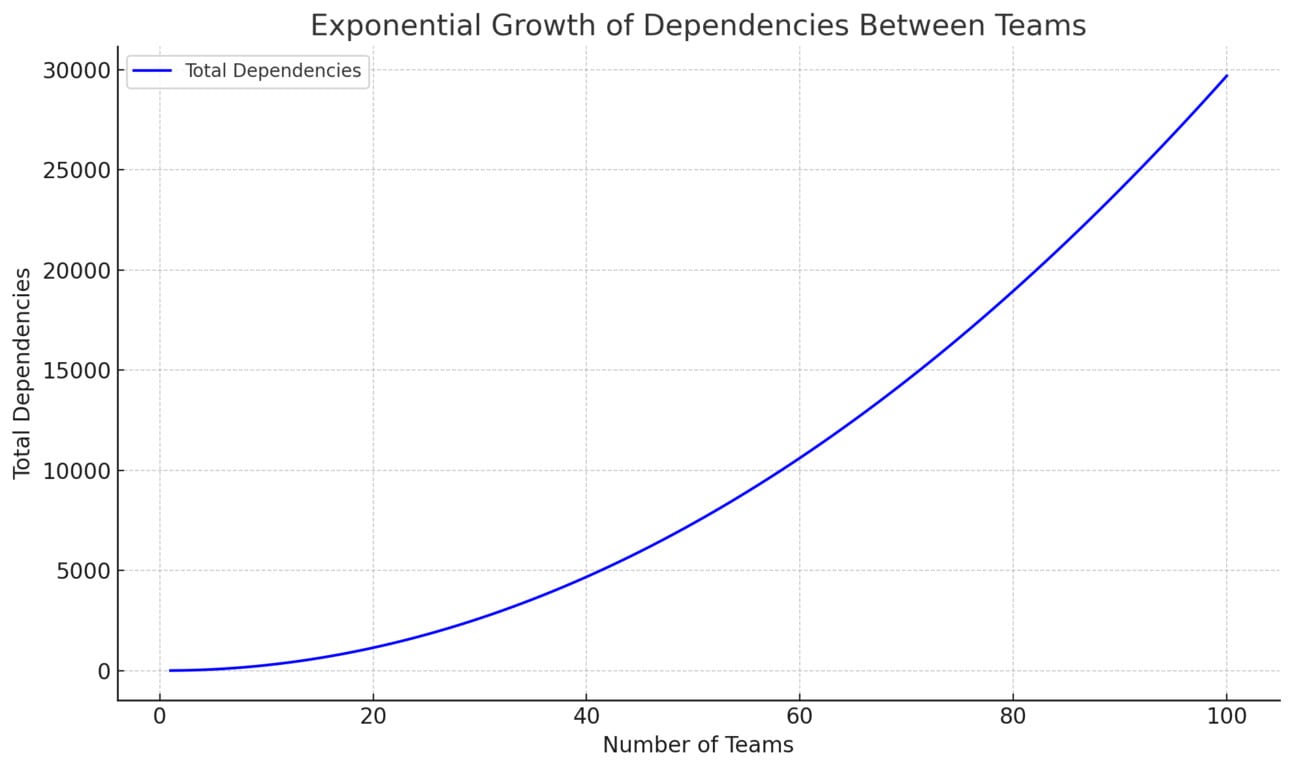
Why We Need a Brook's Law for Teams
You used to be fast, nimble and reactive. But now even simple changes takes weeks or months to deliver. Yes, your organisation has grown, but you were careful to only hire smart, capable engineers, experienced product managers, and dedicated designers. So what went wrong?
Read edition ↗The Product Model #273 - Common Objections To Empowering Teams
I know first-hand the pushback that you get when you suggest making changes to how teams work. Empowering teams is difficult because it changes the process of how teams work, how people are upskilled, how you avoid duplicating work, how you can be confident that teams are working
Read edition ↗
Common Objections to Empowering Teams (and How to Rebut Them)
Managers have built their careers excelling in the current way of working. They have worked their way up the ladder, following the orders of those above them. They are now in a position to influence the direction of the products and they are now being asked to relinquish that con
Read edition ↗The Product Model #272 - How to Run An Effective Quarterly Planning Session For Empowered Teams
Quarterly planning sessions can lead to an output focus. We need to ensure that we balance the needs of alignment (ensuring that teams work on the highest priority business areas) with autonomy (teams decide what to build).
Read edition ↗