UXDX Blog
The UXDX Blog has its own subscriptions, separate from our newsletters.
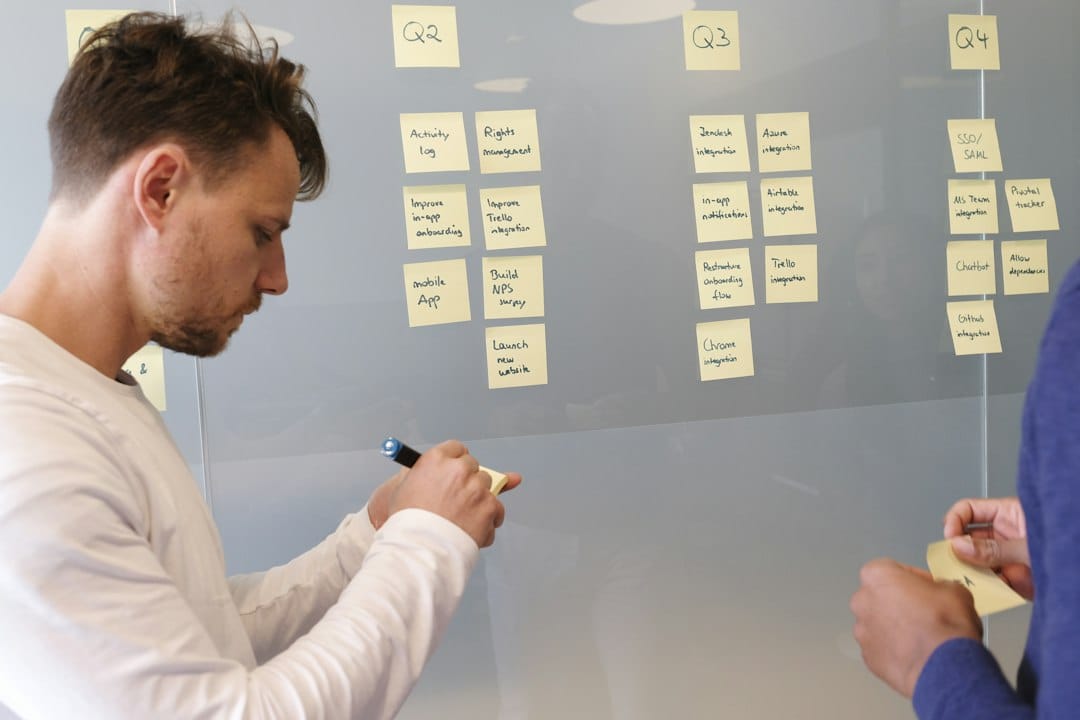
How to Run an Effective Quarterly Planning Session for Empowered Teams
Before diving into quarterly planning, it's essential to have a strong organisational foundation in place. Here's what you need to have in place first:
Read edition ↗
The Product Model #271 - Repaying the Trust in Empowered Teams
When a Product Team empowers a Stream Team to decide what to build for their value stream, it requires significant trust. Stream Teams must actively maintain this trust through complete transparency in their work, research, and decision-making processes.
Read edition ↗
Repaying the Trust in Empowered Teams
With great power comes great responsibility. Empowerment is not a blank check - it comes with the expectation that Stream Teams will demonstrate responsibility and effectiveness. In return for this trust, Stream Teams must operate with transparency, embrace scrutiny, and hold the
Read edition ↗The Product Model #270 - Communication between Teams is a Bug, Not a Feature
Things can fall through the gaps between teams. And when that happens, the proposed solution is always more meetings. Daily cross-team syncs, weekly alignment sessions, and a new Slack channel for real-time coordination.
Read edition ↗
Communication between Teams is a Bug, Not a Feature
Every meeting, channel, and email thread comes with hidden costs: context switching, information overload, and delayed decision-making. Adding more communication treats the symptom, not the disease, and further slows delivery by distracting teams from their core work.
Read edition ↗The Product Model #269 - The Weekly Product Review: Bridging Team Autonomy and Product Success
Empowering teams requires trust. Stream Teams are given the autonomy to achieve the product objectives they’ve been set, and they are accountable for outcomes rather than just outputs. However, autonomy does not mean operating in isolation - effective product development requires
Read edition ↗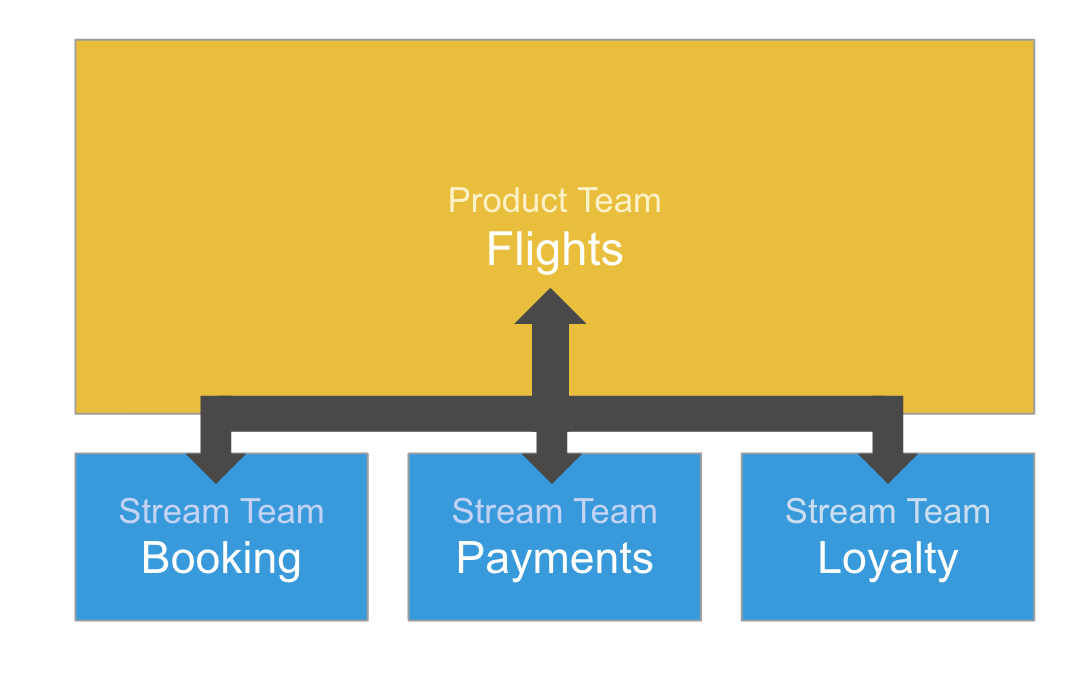
The Weekly Product Review: Bridging Team Autonomy and Product Success
Amazon has a regular meeting called a Weekly Business Review. The goal is for senior leadership to “dive deep” and discuss all of the key product metrics for the core products in a business unit.
Read edition ↗The Product Model #268 - When Things Go Wrong: The Real Benefit Of Empowered Teams
In product development, encountering unexpected results isn't just common – it's inevitable. The true measure of a team's effectiveness lies not in avoiding failures, but in how they respond when faced with disappointing data or failing features.
Read edition ↗
When Things Go Wrong: The Real Benefit of Empowered Teams
You've just launched the first version of a feature, and the data is falling short of expectations. Meanwhile, development of version two is already underway. What should you do?
Read edition ↗The Product Model #267 - Navigating The Specialist-Generalist Career Challenge
In cross-functional teams, generalists perform better. Their ability to flex across disciplines and help out wherever needed makes them indispensable in modern product development. Yet, when it comes to hiring and promotions, companies overwhelmingly favour specialists.
Read edition ↗
Navigating the Specialist-Generalist Career Challenge
Sometimes it would be easier to go back to a functional model and have Waterfall projects. Yes, they are really poor from an efficiency and effectiveness perspective but every support system in a company has been built with this model in mind. When we try to improve product outco
Read edition ↗The Product Model #266 - Improving Retrospectives
Traditional retrospectives often fail to drive meaningful change due to three key limitations: teams lack the authority to implement identified improvements, they struggle to determine which changes will actually add value, and the bi-weekly cadence means problems persist longer
Read edition ↗
Continuous Process Improvement: Beyond Traditional Retrospectives
The first and most fundamental requirement for successful retrospectives is the authority to implement identified improvements. Too often, teams discover that their most impactful changes require approval from stakeholders who aren't present or invested in the process. This creat
Read edition ↗