The operating model for the AI era.
ZeroBlockers
Turn faster delivery into better outcomes.
AI makes software faster to build. Explore how to change ownership, decisions, funding and support so small teams can deliver what customers really need.
Explore the editions ↓The archive
Ideas for your next step.

How to Moderate a Usability Test: A Comprehensive Guide
After defining assumptions, creating an experiment plan, and crafting usability test plans, it's time to run the sessions. This stage requires careful moderation to ensure the insights are unbiased, actionable, and valuable.
Read edition ↗
How to Create an Experiment Plan (And Why)
Creating meaningful experiments is harder than it seems. Have you ever gotten feedback, whether it is for a product or just in general, and then immediately gone on the defensive?
Read edition ↗
Creating an Effective Usability Test Task Plan
Once we have confirmed that customers actually want a solution to the problem that we are looking to solve, we need to make sure that they want OUR solution. This is where usability testing comes in.
Read edition ↗
Testing Solution Desirability (aka Positioning)
Testing solution desirability isn't just about having a great product; it's about positioning it effectively in the market. I remember speaking with an engineer a few years back and he had a profound dislike for anything to do with marketing. He believed that a product should spe
Read edition ↗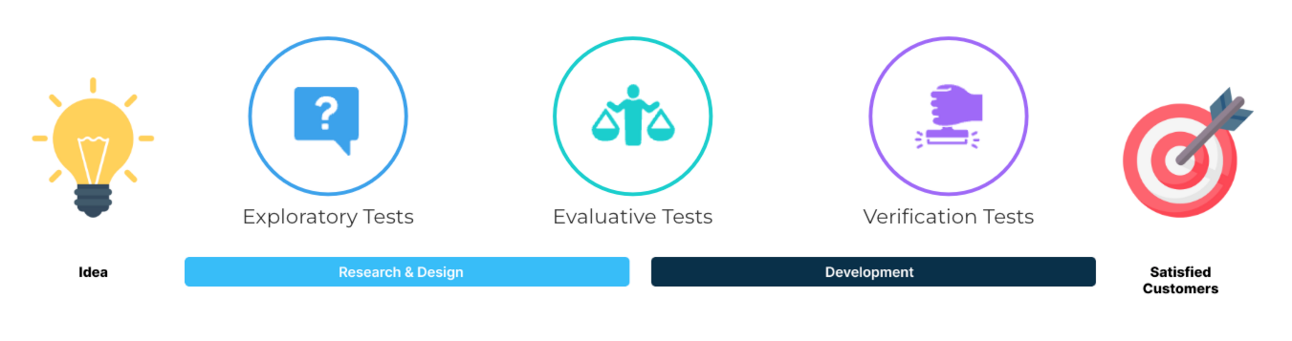
3 Types of Design Experiment (and when to use them)
You’ve done direct research with customers, you’ve extracted the insights, priortised a problem, ideated on solutions, identified the leap-of-faith assumptions and now you are ready to start testing them to reduce the risk in your solution. But where do you start?
Read edition ↗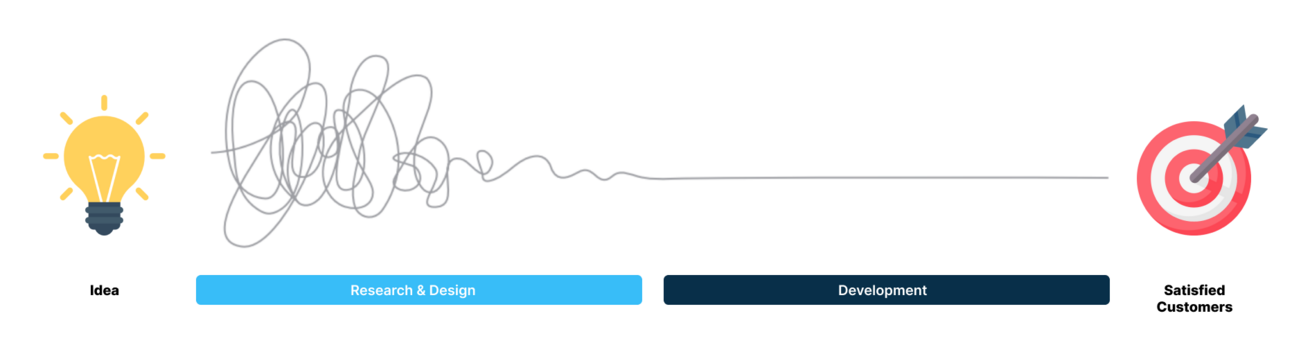
The Biggest Lie that Designers Believe about Software Development
This way of thinking leads to the false assumption that all of the exploration, creativity and iteration should occur during the design phase. But thinking that the job of the developers is just to turn designs into code undermines collaboration, increases frustration and results
Read edition ↗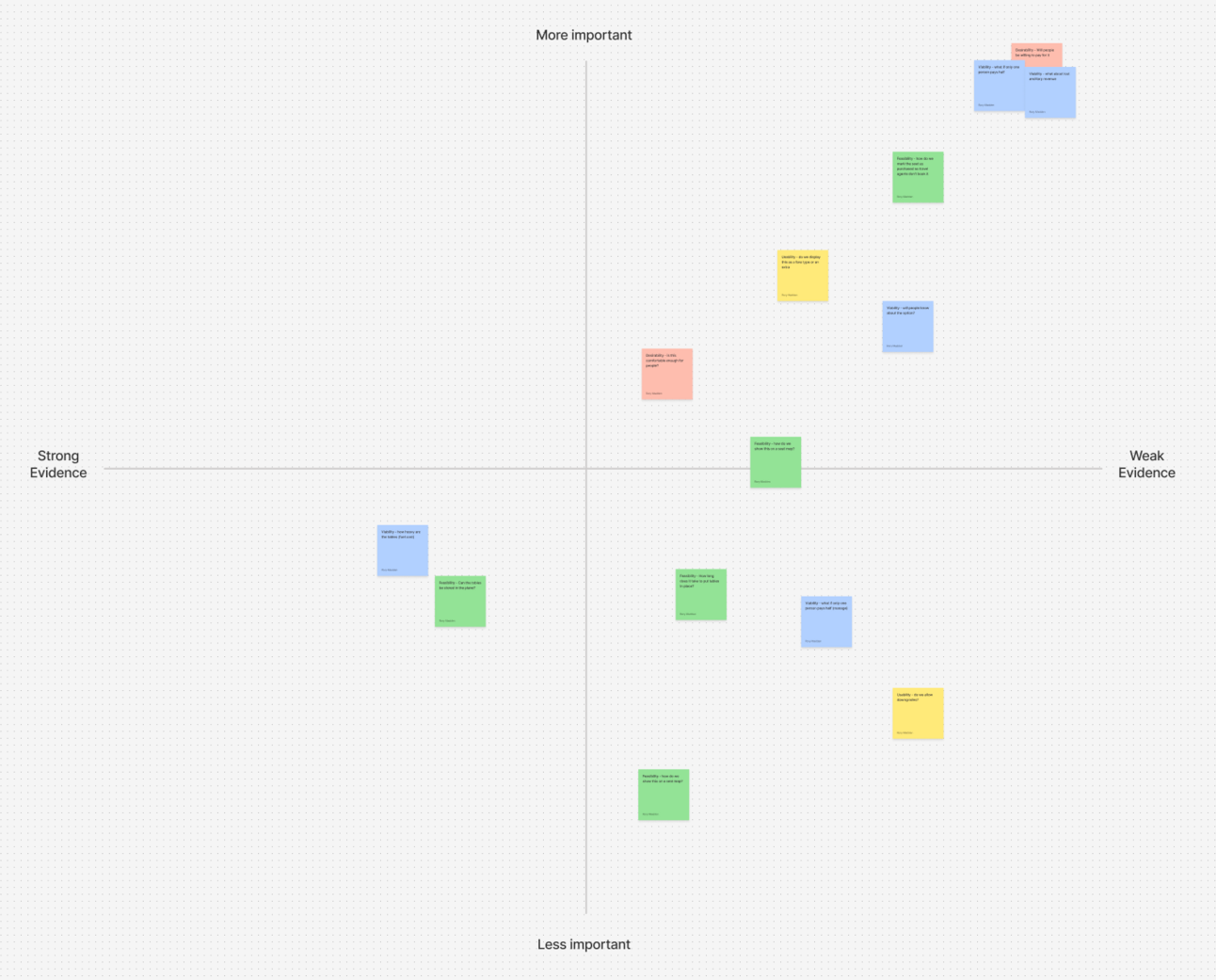
Prioritising Assumptions
A thorough assumption-mapping exercise might reveal 20, 30, or even more assumptions for a single feature. It might feel safer to test everything, but we don’t have time for that, so this means that we need to be strategic about which assumptions we validate first. But how do you
Read edition ↗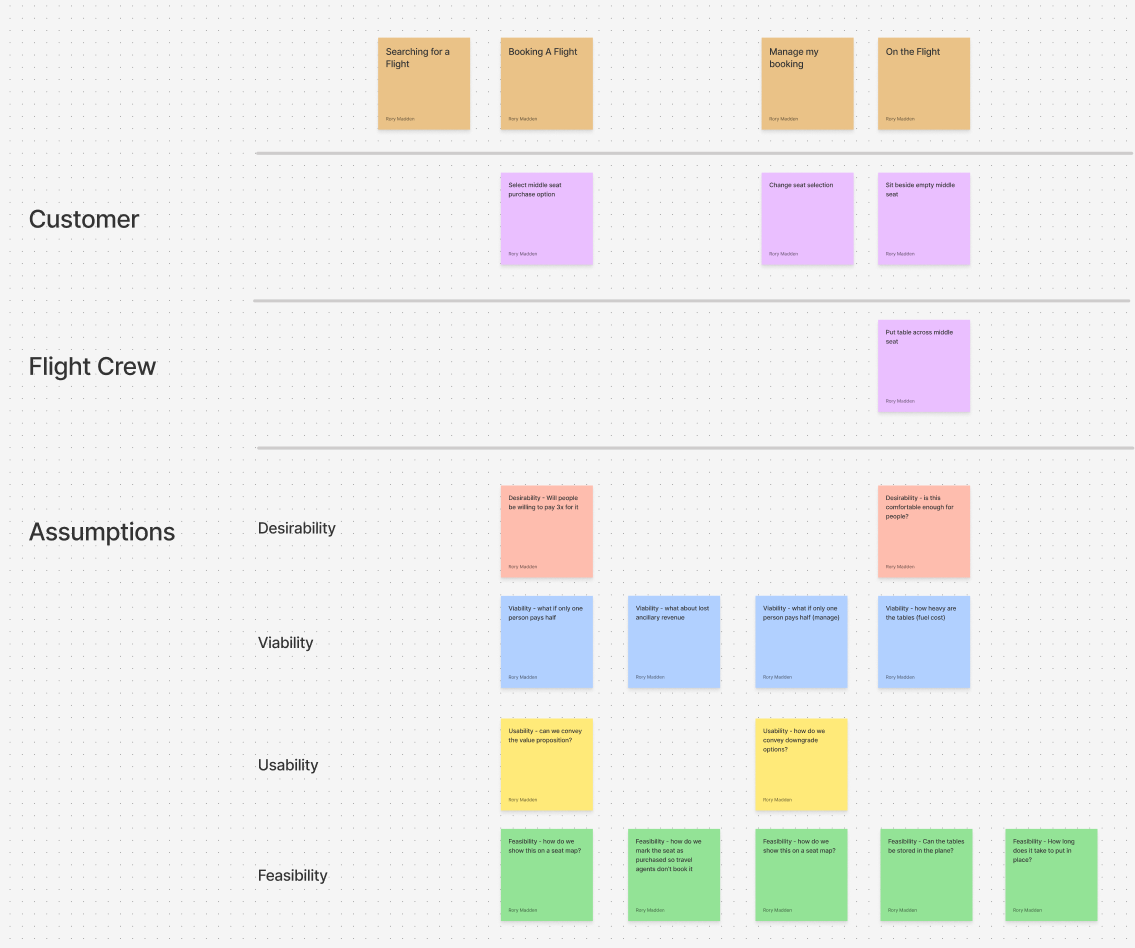
3 Different Methods for Identifying Assumptions
Think about the last feature you launched that didn't work as well as you were expecting it to. Maybe you assumed users would take the time to fill out detailed profiles, or that they'd regularly check their notification settings, or that they'd understand your clever new interac
Read edition ↗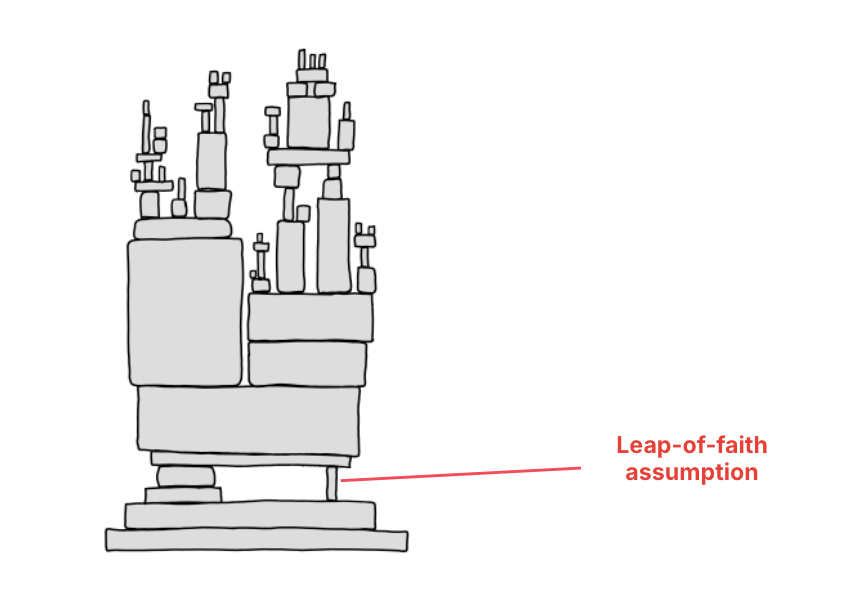
How to Get Past Arguing for the Value of Design, and Actually Start Doing Experiments
It’s so obvious. If we invest a little bit more time in design upfront then we will save so much time and money by building better products that customers actually love. And yet, somehow, our arguments fail to convince people. The focus stays on delivery and getting the feature b
Read edition ↗
How to Run an Effective Ideation Session
We’ve covered before that you need fluency, flexibility and originality to come up with high quality ideas, but running an ideation session to encourage those qualities can be a challenge.
Read edition ↗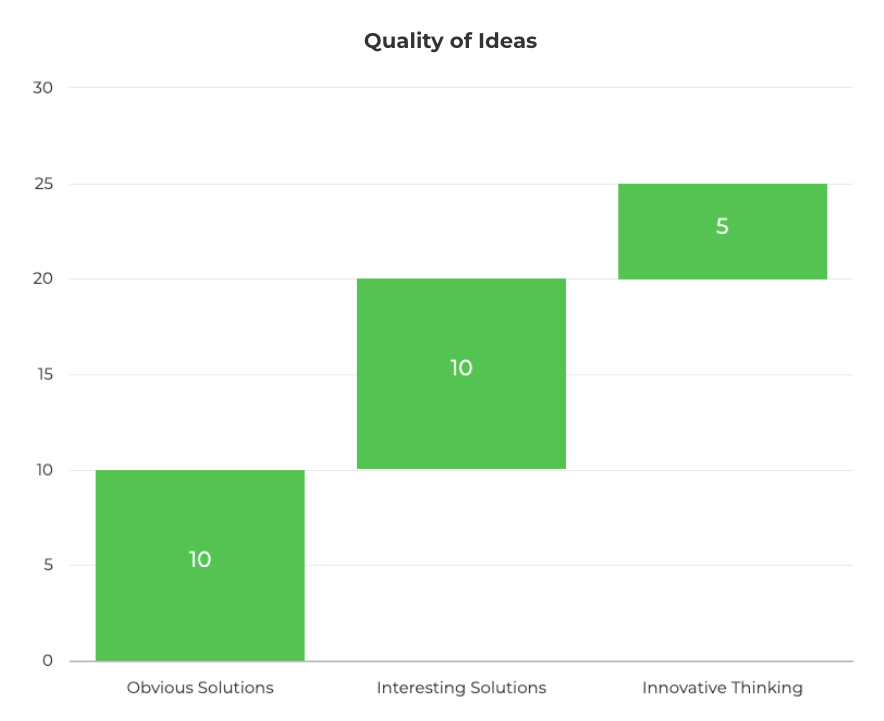
The 3 Pillars of Good Ideation—Fluency, Flexibility, and Originality
Ideation sessions can sometimes feel like a waste of time. Your ideas are just minor incremental improvements or copies of features that competitors have already implemented. You’ve invested a huge amount of time and effort gathering everyone together but you haven’t uncovered th
Read edition ↗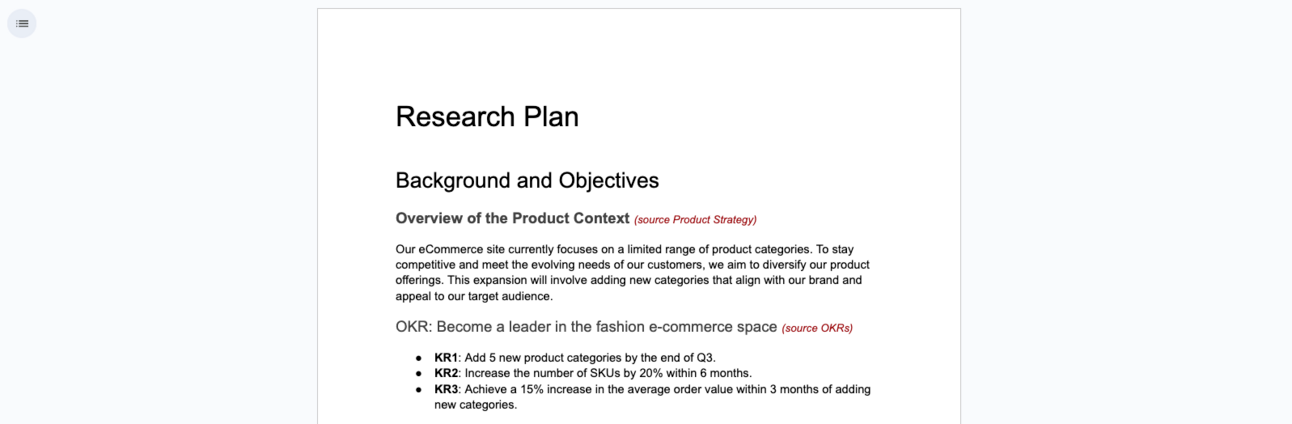
How to Create a Research Plan
A well-structured research plan helps teams focus on what truly matters for the product. But writing a research plan is a distraction from the core goal: doing the actual research work. So we need to make it as quick and easy to create as possible. Let’s review the core sections
Read edition ↗
Stream Teams Don't Need to Communicate their Research
At first glance, Stream Teams might look similar to traditional project teams. Both include the full range of skills needed to deliver value to customers - analysts, designers, developers, and more. However, the way these teams operate is fundamentally different.
Read edition ↗