The operating model for the AI era.
ZeroBlockers
Turn faster delivery into better outcomes.
AI makes software faster to build. Explore how to change ownership, decisions, funding and support so small teams can deliver what customers really need.
Explore the editions ↓The archive
Ideas for your next step.

Comparing Different Opportunity Prioritisation Frameworks
With limited resources and time, how do you choose between multiple promising opportunities? While there are various frameworks and formulas available, the reality of prioritisation is more nuanced than plugging numbers into a spreadsheet.
Read edition ↗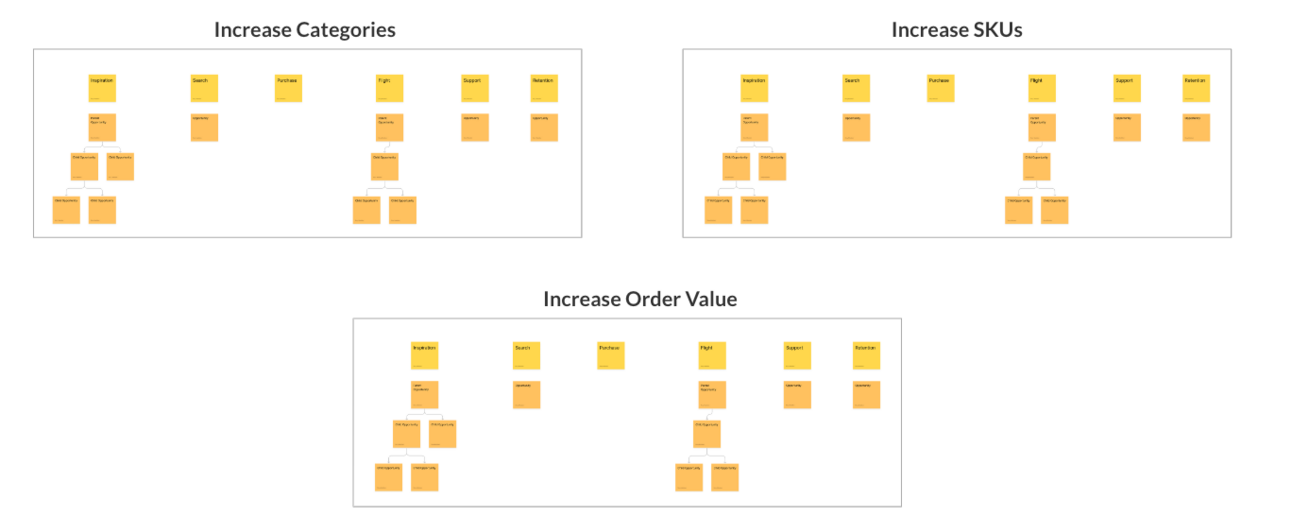
How to Tame your Unruly Opportunity Solution Trees
Your OST starts simple enough. You have a clear business objective, a neat user journey, and a handful of opportunities you've identified through research. Everything fits nicely on one canvas, and the relationships are clear.
Read edition ↗
Ranking Different Research Insight Documentation Approaches
To effectively rank different documentation methods, we must first establish clear criteria for each dimension of evaluation. We are going to look at how some common documentation approaches work across three different dimensions:
Read edition ↗
How to Run a Productive Generative Research Interview
When it comes to understanding why customers make the choices they do, few people have made a greater impact than Bob Moesta. As the co-creator of the Jobs-to-be-Done (JTBD) framework, developed alongside Clayton Christensen, Moesta has dedicated his career to uncovering the hidd
Read edition ↗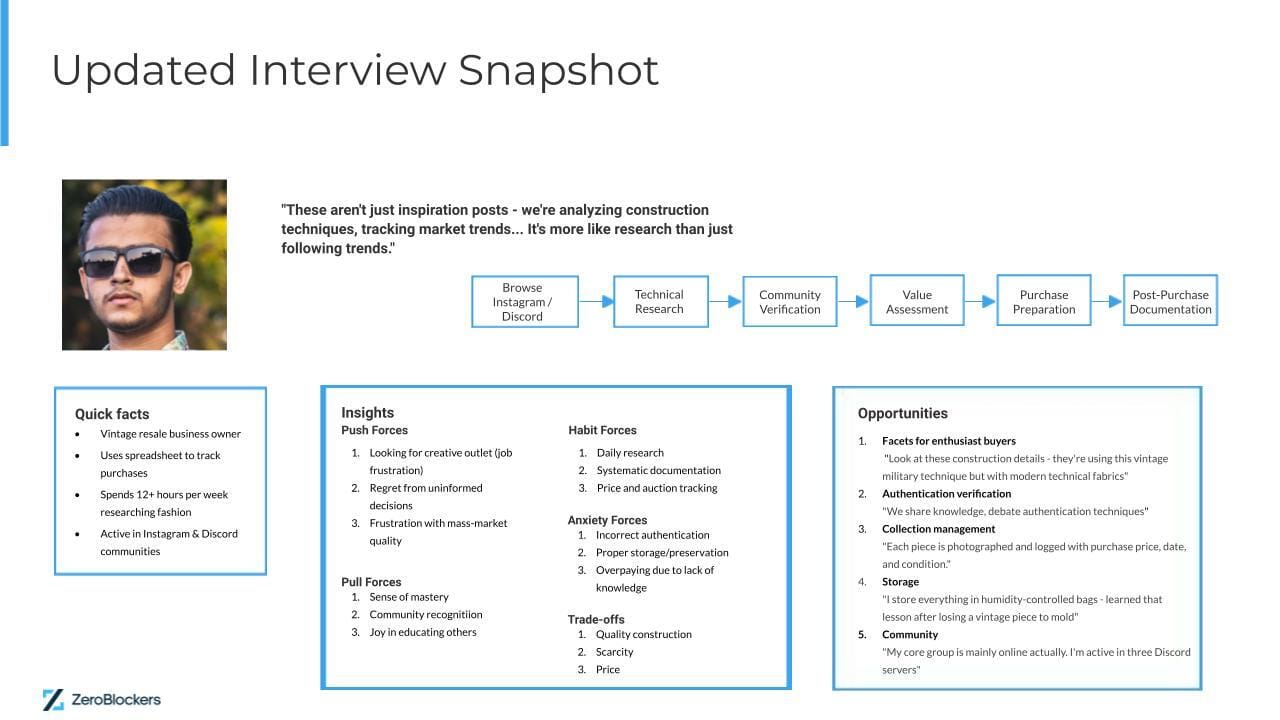
How to Document Research Interviews
When it comes to continuous interviewing, Teresa Torres is the leading expert. Teresa has written about her interview snapshot which she advocates for documenting user interviews. I think it is fantastic but I think there is an important addition that we can make to help both wit
Read edition ↗
5 Different Research Interview Question Types
When we are asking questions in research interviews we need to follow a two-step process. The first step is to uncover the actions that the person is performing (the “what”). Once we understand how they are behaving we need to uncover the motivations leading to these actions (the
Read edition ↗
Why Can't We Just Ask What People Want?
Have you ever built a feature that your customers (or sales team) had been hounding you to build only to find out that people are barely using it, if at all? Well you are not alone. Despite the push for outcomes over outputs, this is the way that most teams still operate. And the
Read edition ↗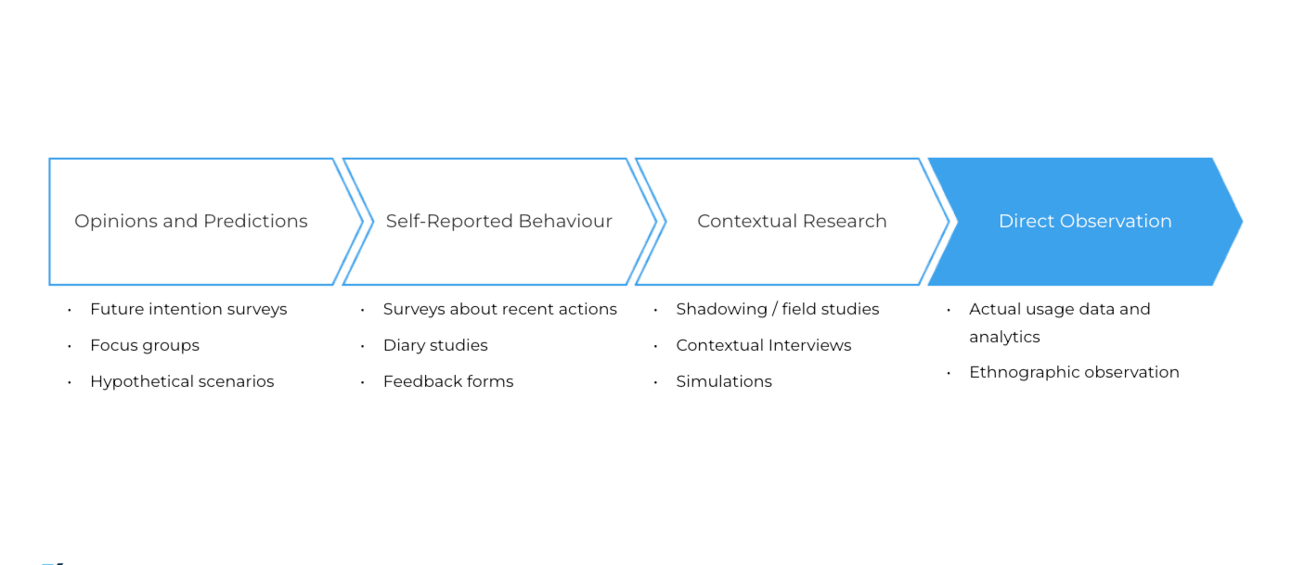
Ranking Continuous Research Methodologies
To effectively rank different research methodologies, we must first establish clear criteria for each dimension of evaluation. We are going to look at how some common methods work across four different dimensions:
Read edition ↗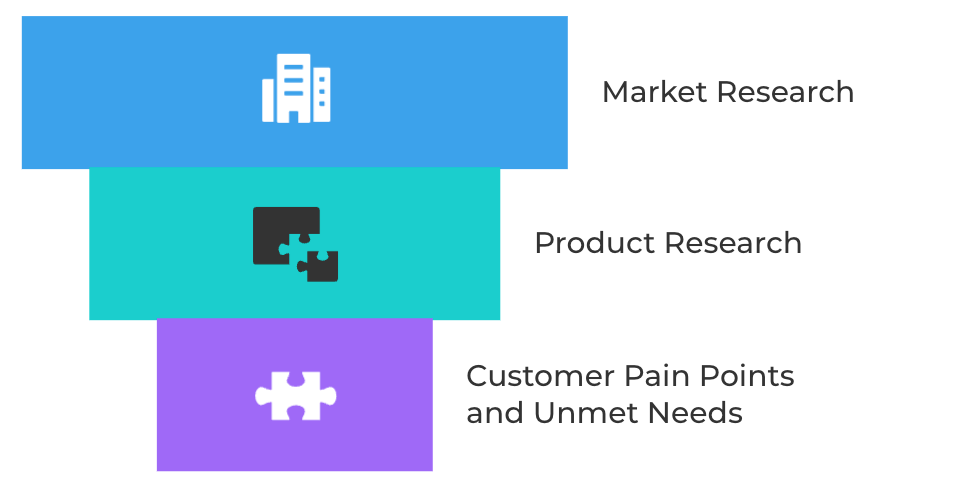
Balancing Quick Decentralised Research with Deeper Market Research
In our article about making research easy, we focused on quick, lightweight methods that stream teams can use to keep regularly connected to user needs. But we also recognised the need for deeper, more detailed research as well. To tackle this dual challenge, we need to define a
Read edition ↗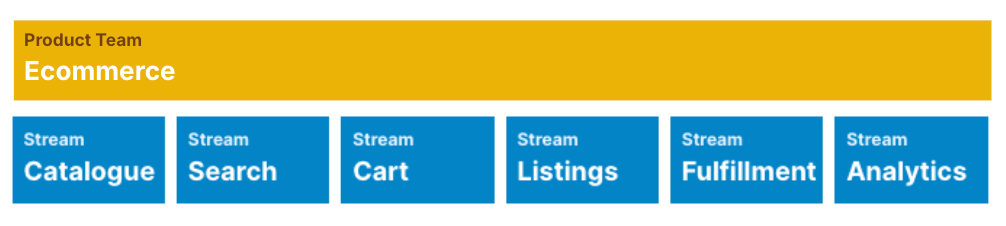
What are Stream Teams?
Software products are hard to build, particularly as they become successful and grow in complexity. In an ideal world, a single team would be able to manage the development of the product but there is only so much work that a single team can do.
Read edition ↗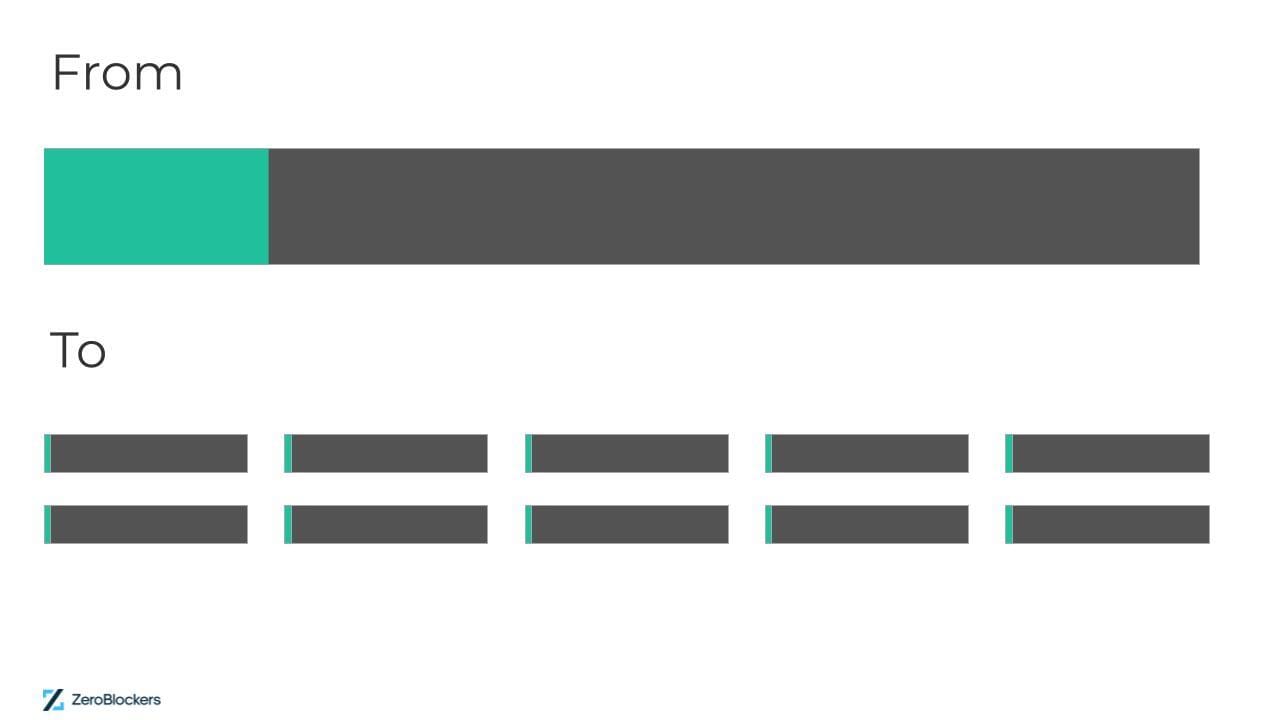
Making Research Easy: Getting Teams to Adopt Continuous Research
You often hear teams complaining that their backlog is too large and that they already know what customers want, they just don’t have time to deliver on it. That is why generative research is often the first area to be sidelined. No amount of “selling the value” is going to chang
Read edition ↗
Don't Try to Sell People on the "Value" of Research or Design
For over two decades, the design and research community has been writing articles and giving talks about how to pitch our value, how to get that mythical "seat at the table," and how to convince stakeholders that our work matters. Yet here we are, still facing layoffs and downsiz
Read edition ↗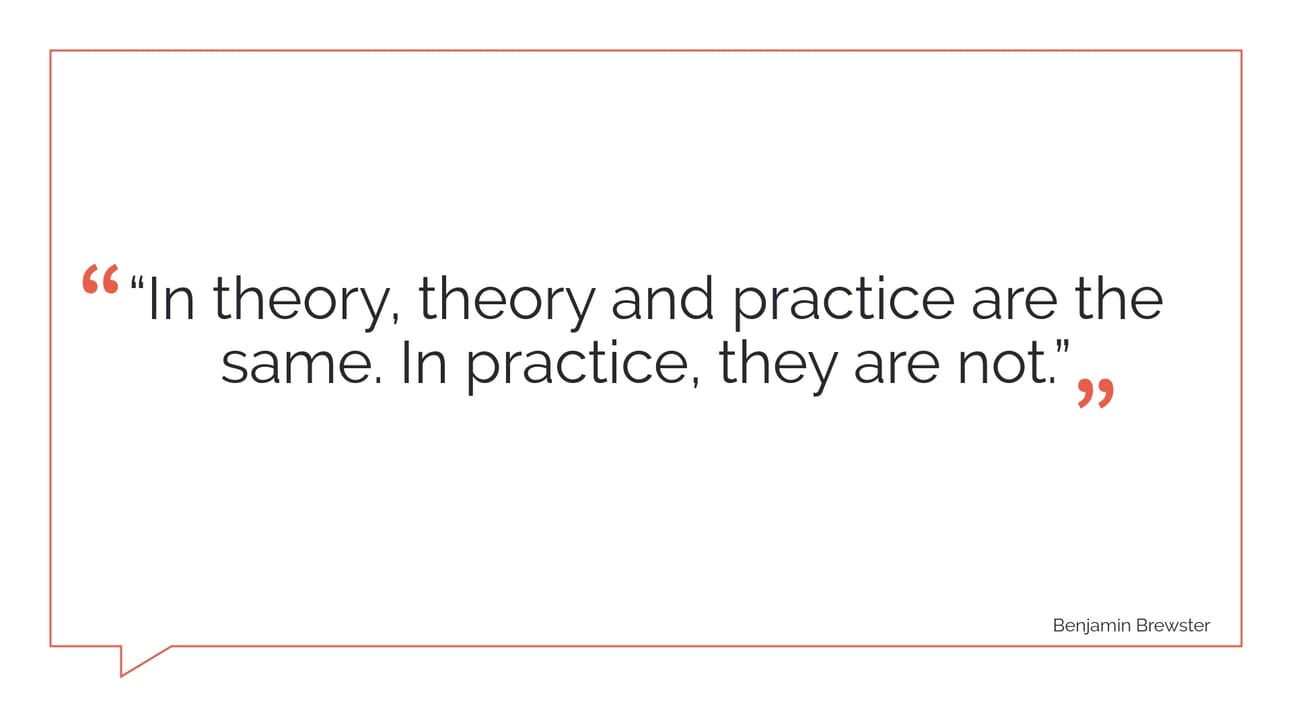
Product Pushback: "Making Teams Autonomous is Too Hard and Expensive!"
Achieving autonomy is essential if you want to hold teams accountable for outcomes rather than just outputs. Without autonomy, teams fall into what I call cover-your-ass development—an environment where people prioritise documentation, handovers, and sign-offs to protect themselv
Read edition ↗