The operating model for the AI era.
ZeroBlockers
Turn faster delivery into better outcomes.
AI makes software faster to build. Explore how to change ownership, decisions, funding and support so small teams can deliver what customers really need.
Explore the editions ↓The archive
Ideas for your next step.

Slow Product Development? Dependencies are the Cause
This is often seen as the price you pay for scale. Larger companies just move slower than smaller companies. But it doesn’t have to be that way. The issue isn’t scale; it’s dependencies.
Read edition ↗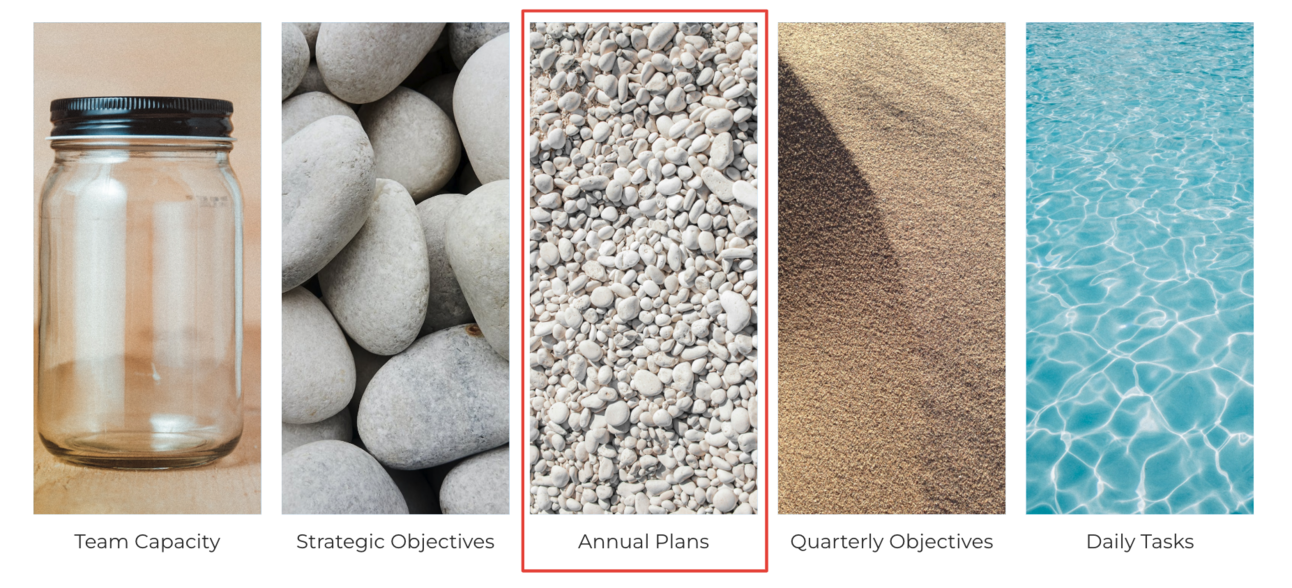
Empowered Teams still need Annual Plans
Empowered teams get to decide what to build based on first-hand customer knowledge around pain points and unmet needs. Annual planning is the opposite right? It is big upfront planning which often puts business goals above customer needs! That’s not quite true. Done right, annual
Read edition ↗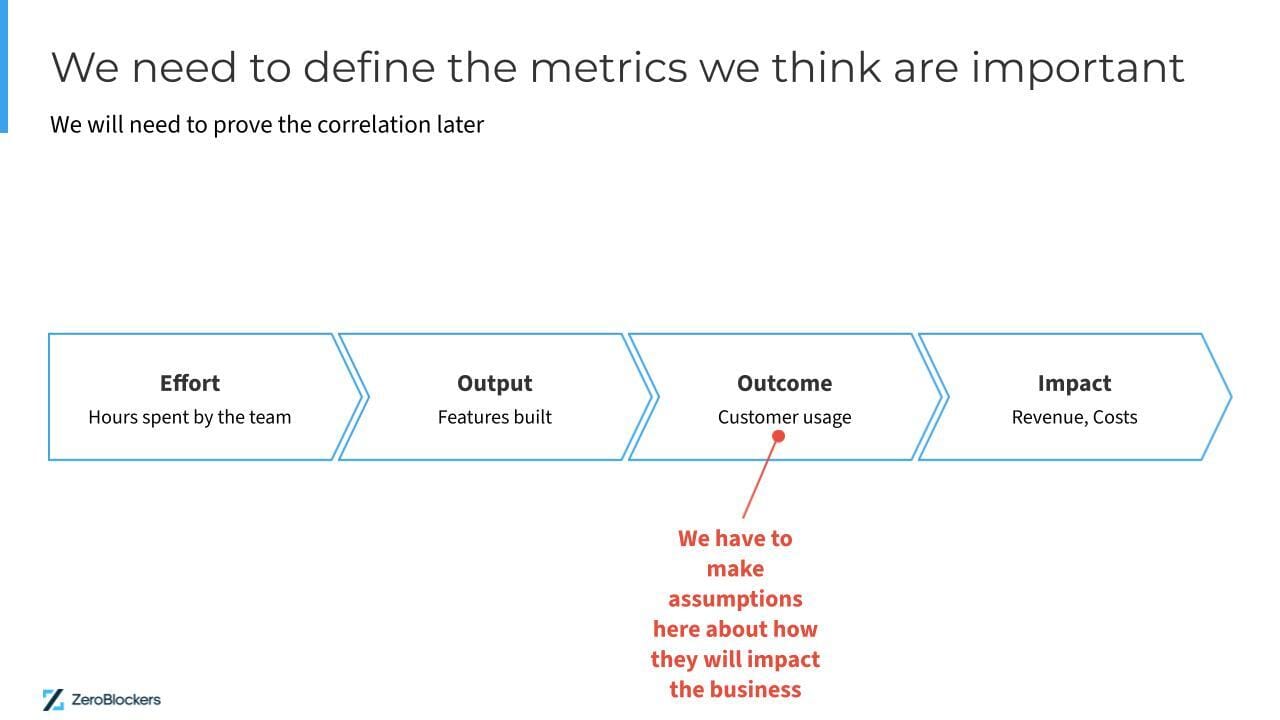
Aligning KPIs to Ensure Strategy Success
Culture eats strategy for breakfast. But culture is not this amorphous entity that companies do not have control over. Culture is what happens when companies reward certain behaviors and punish others. And that’s good news. It means that we can influence our culture.
Read edition ↗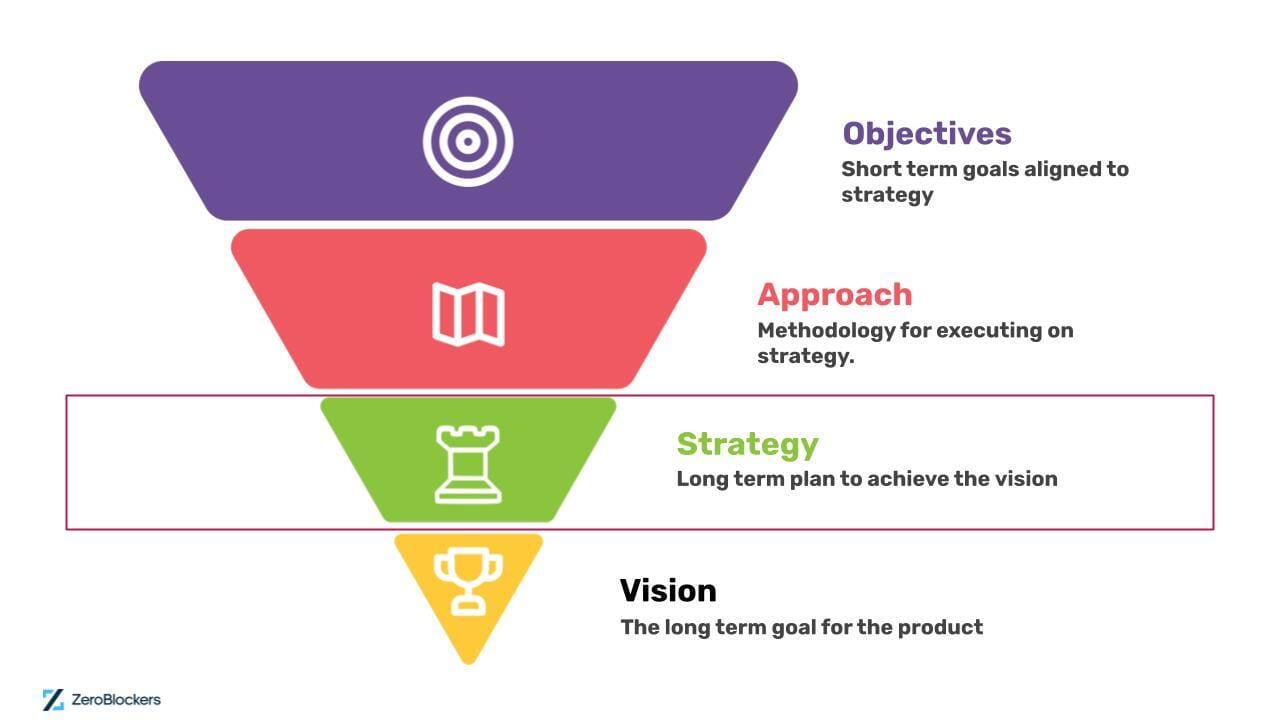
Crafting an Effective Product Strategy
88% of executives believe that customers and employees are changing faster than they can change their business, according to research by Accenture. The challenge is that far too many choices need to be made at a senior level.
Read edition ↗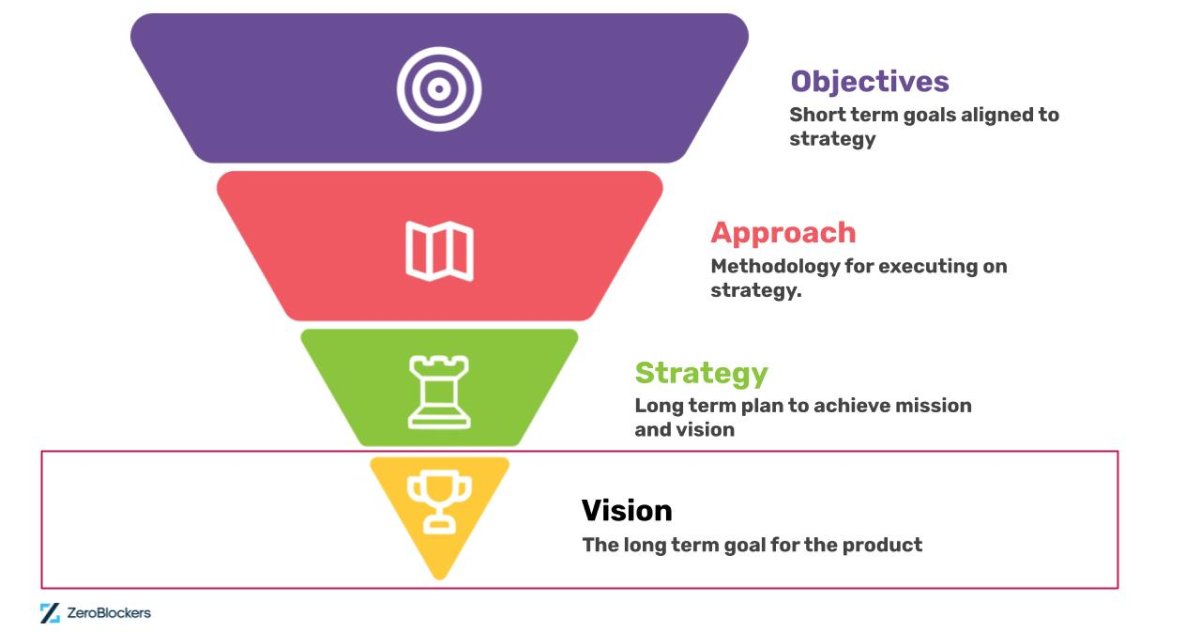
Crafting a Compelling Product Vision
Adopting a product model requires empowering teams to make critical day-to-day decisions. But without a shared vision, there’s a risk of misalignment between senior leadership’s expectations and what the teams deliver.
Read edition ↗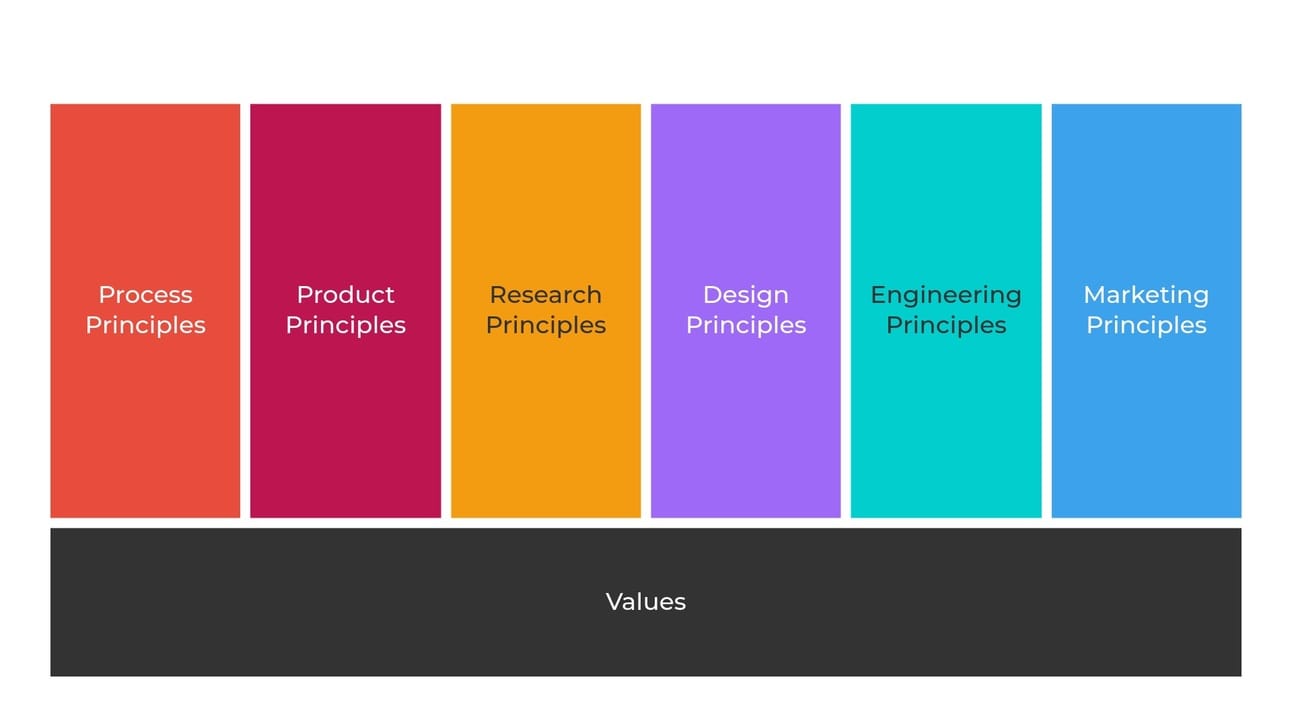
How to define Corporate Values and Principles that enhance Decision-Making and Leadership Trust
There are four elements required to enable high quality decisions: Values and Principles, Strategic Context, Skills and Experience. In this post we will focus on Values and Principles.
Read edition ↗
AI Requires Teams to Think Bigger
When Airtable started implementing AI features they started off too simplistic in terms of what they could achieve. Management, teams and even customers needed to think bigger.
Read edition ↗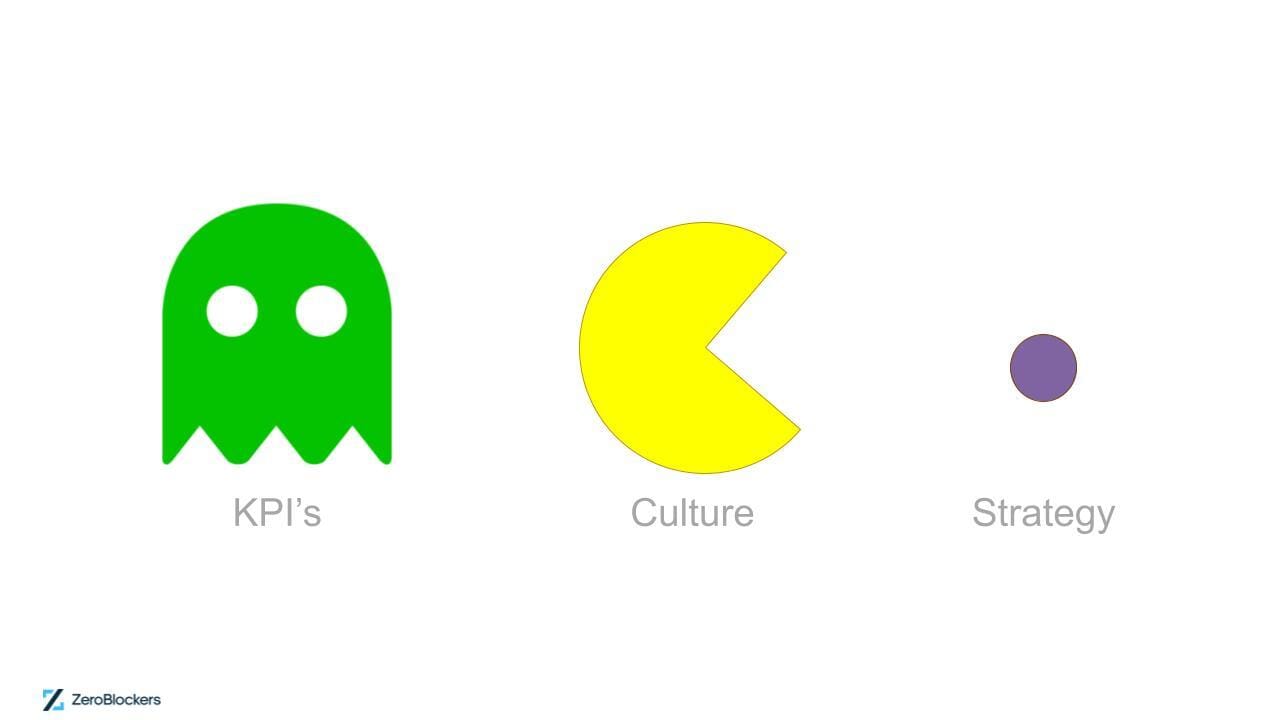
Defining KPIs to drive the Culture you Want
In our previous article, we explored four key ingredients for enabling decentralized decision-making: Values and Principles, Strategic Context, Skills and Experience. Today, we'll dive deeper into Values and Principles, exploring how they can be effectively aligned with KPIs to d
Read edition ↗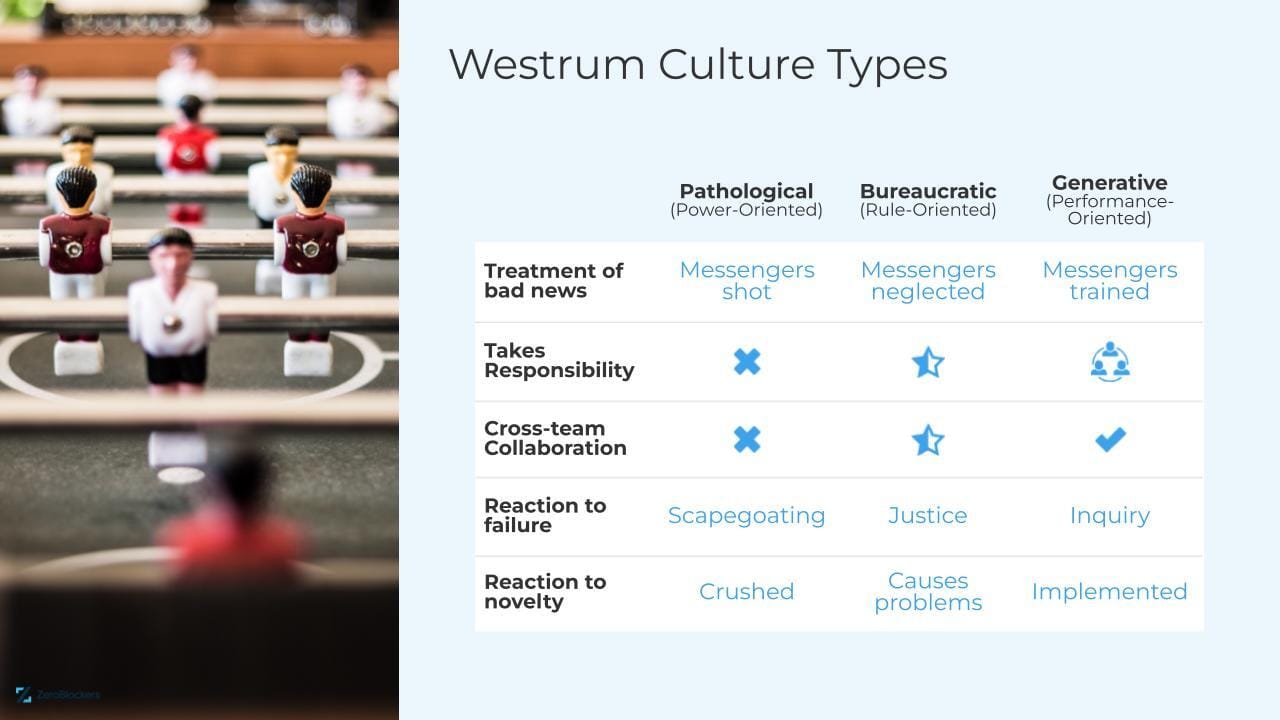
The Different Types of Company Culture
Ron Westrum studied how different organisations process information and he identified three types of company culture: pathological, bureaucratic, and generative. Each culture impacts the flow of information, decision-making, and overall organisational performance in distinct ways
Read edition ↗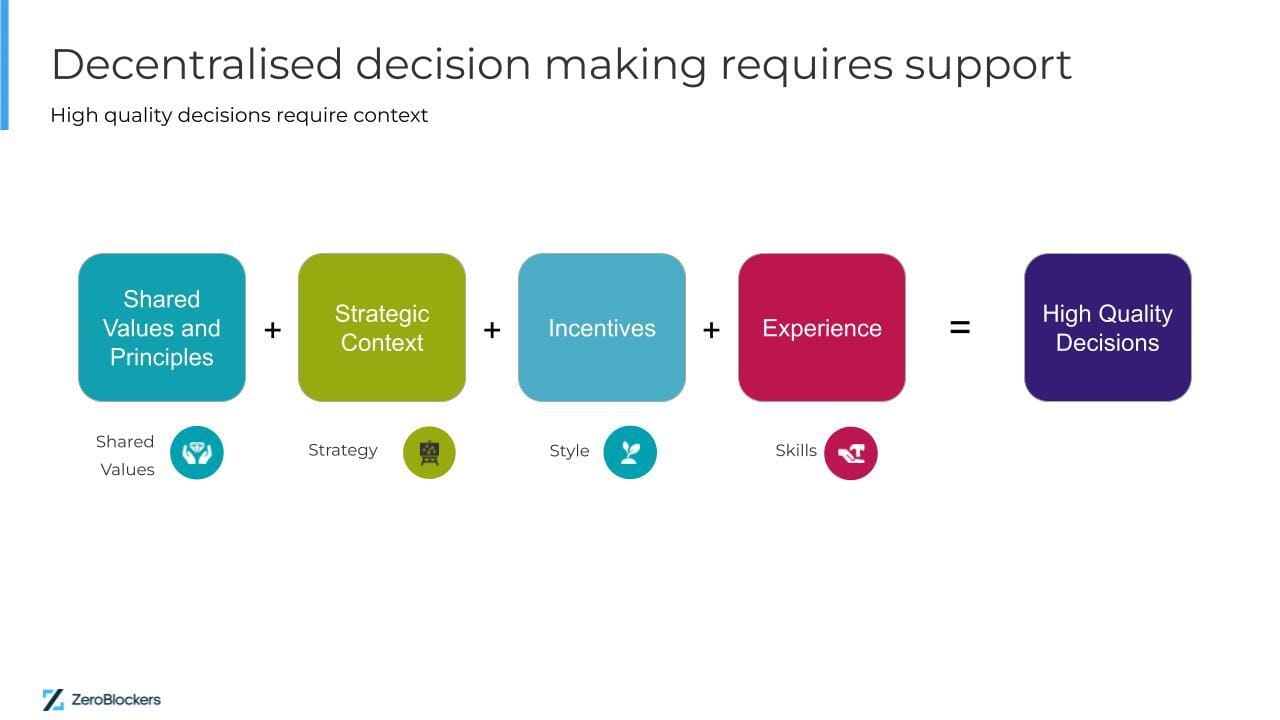
Decentralised Decision Making requires Context
One of the biggest fears for management teams when empowering product teams is that they lose control over the features that the teams build.
Read edition ↗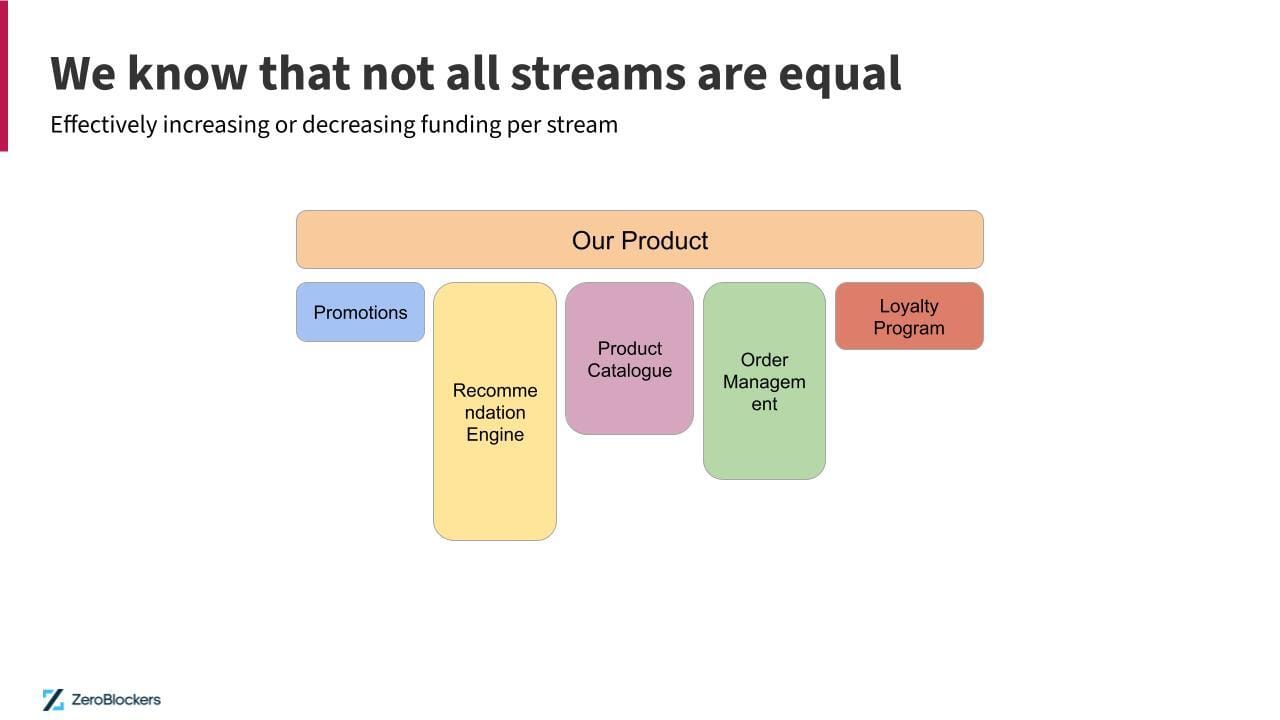
Funding And Governing Empowered Teams
Long-lived, empowered teams are expensive. Instead of having a business case that has clear costs and benefits, long-lived teams require companies to place a lot of trust in these teams. This causes two problems that need to be solved:
Read edition ↗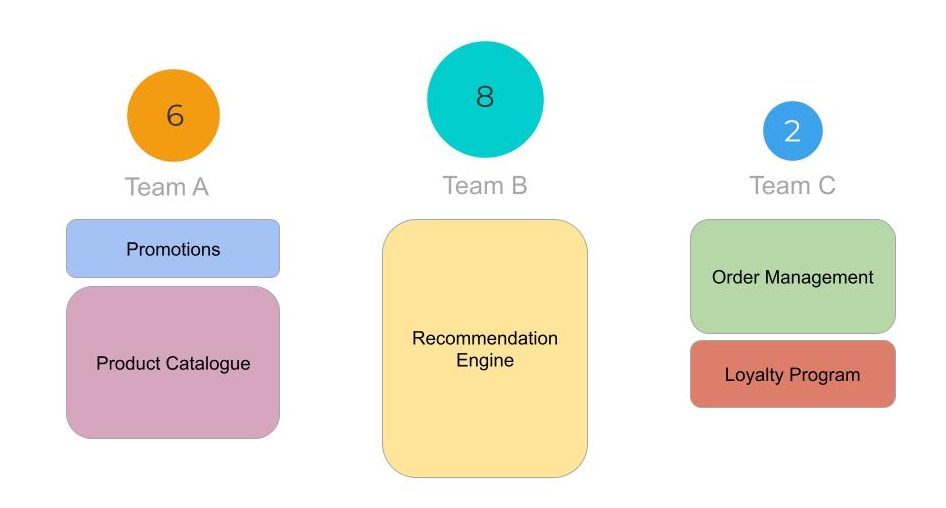
Creating Stream Teams around Value Streams
In our last article, identifying the value streams in your system, we end by saying that not all value streams are equal. Some are small, some large, some complex and some simple. If we want to build teams around these value streams we need to be able to reconcile the difference
Read edition ↗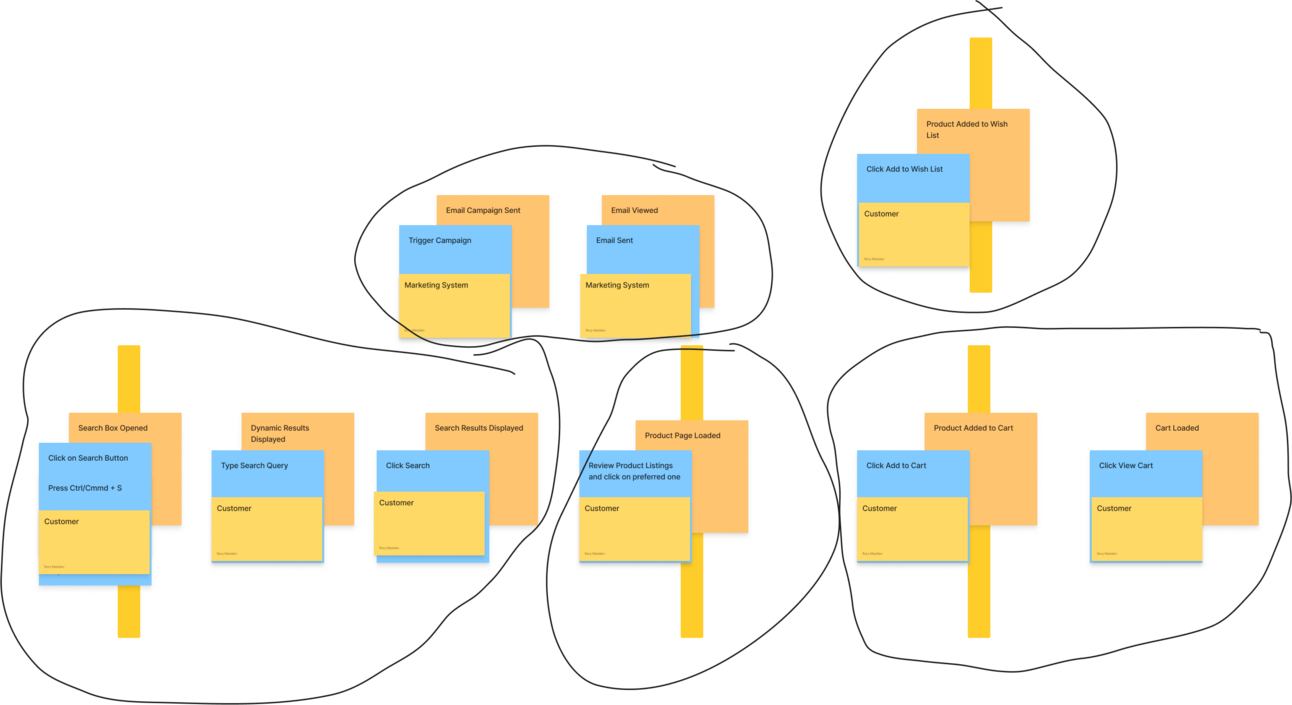
Identifying Boundaries between Teams
We already talked about how to structure teams for scale which advocated for having long lived teams aligned to parts of the customer journey with completely separate code bases. These teams get the benefit of being able to get a deep understanding of the customer needs in their
Read edition ↗