The operating model for the AI era.
ZeroBlockers
Turn faster delivery into better outcomes.
AI makes software faster to build. Explore how to change ownership, decisions, funding and support so small teams can deliver what customers really need.
Explore the editions ↓The archive
Ideas for your next step.
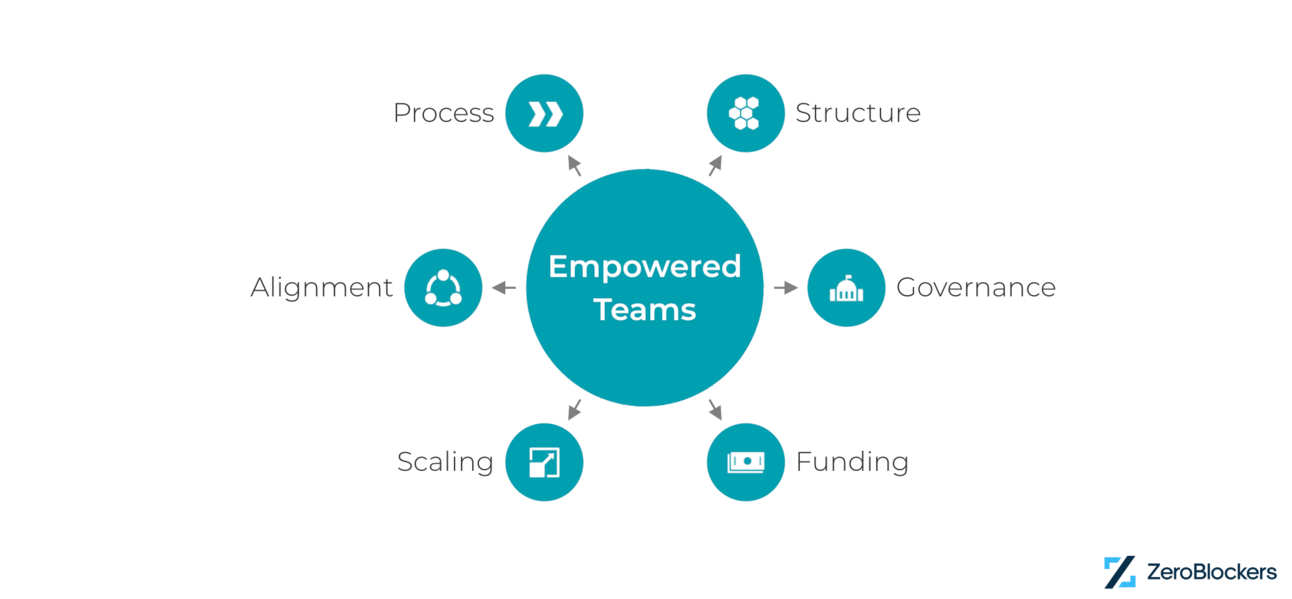
No, you can't just empower product teams
You've seen the advice, the only thing stopping teams from performing is micromanagement and distrust from senior leaders. If we just empower the team to do great work then everything will be better.
Read edition ↗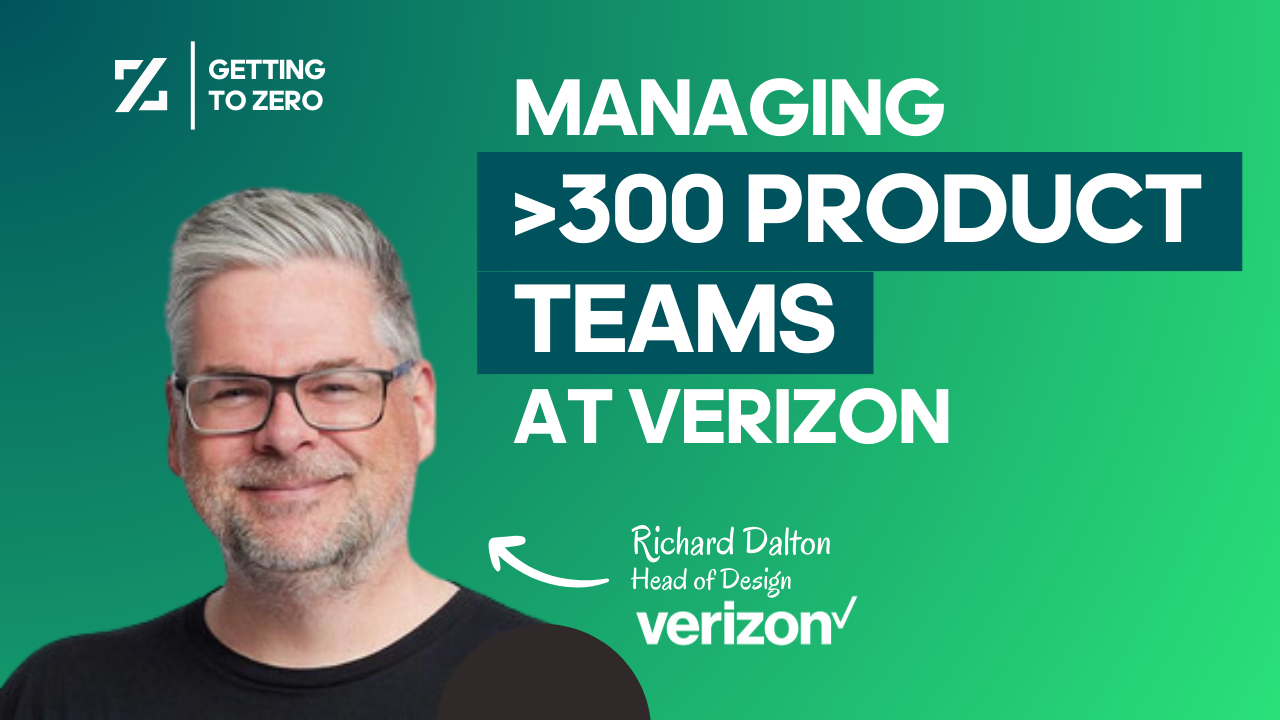
Managing over 300 Agile Teams at Verizon
We met with Richard Dalton, Head of Design at Verizon, to understand the challenges that he faces in managing over 300 agile teams and how they can improve efficiency through better coordination.
Read edition ↗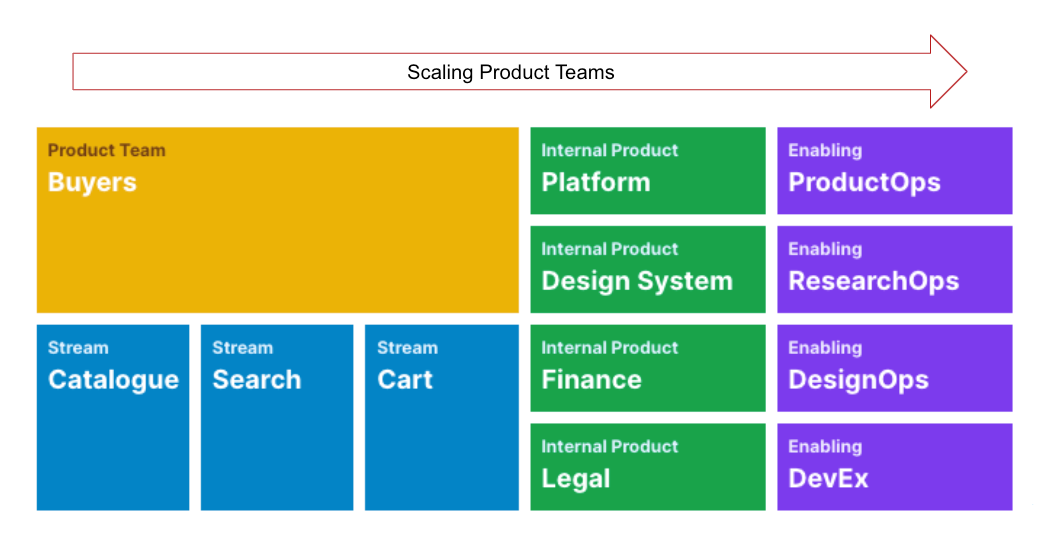
Scaling really large products
In a previous article, I wrote about how to structure product teams for scale. Each team needs to be autonomous because otherwise the number of dependencies between teams will increase and slow down the delivery of everyone.
Read edition ↗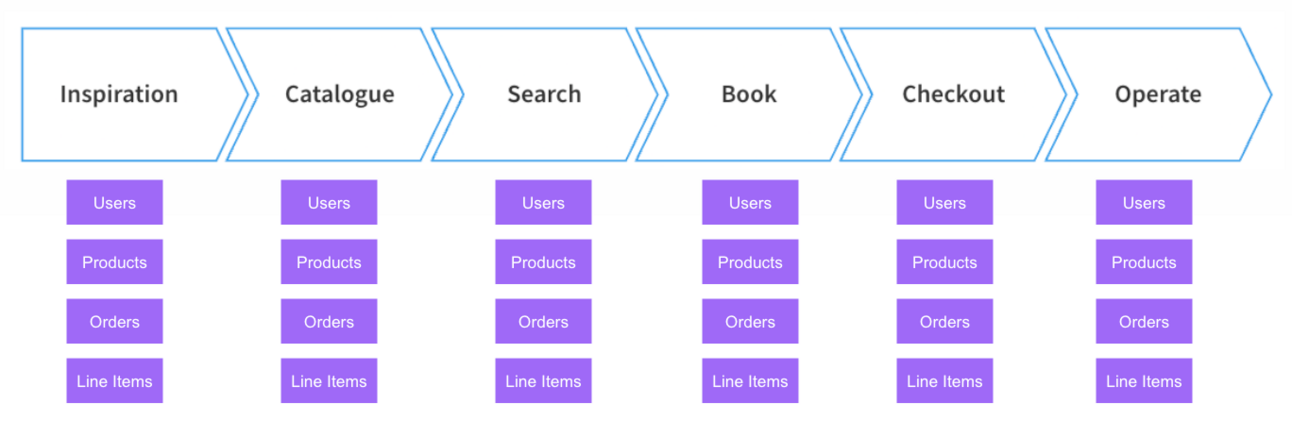
How to structure teams for scale
Our team structures need to ensure that the teams are both effective and efficient. Effectiveness comes from a deep understanding of the end users and their needs. Efficiency is measured in the lead time that it takes to go from idea to satisfied customers.
Read edition ↗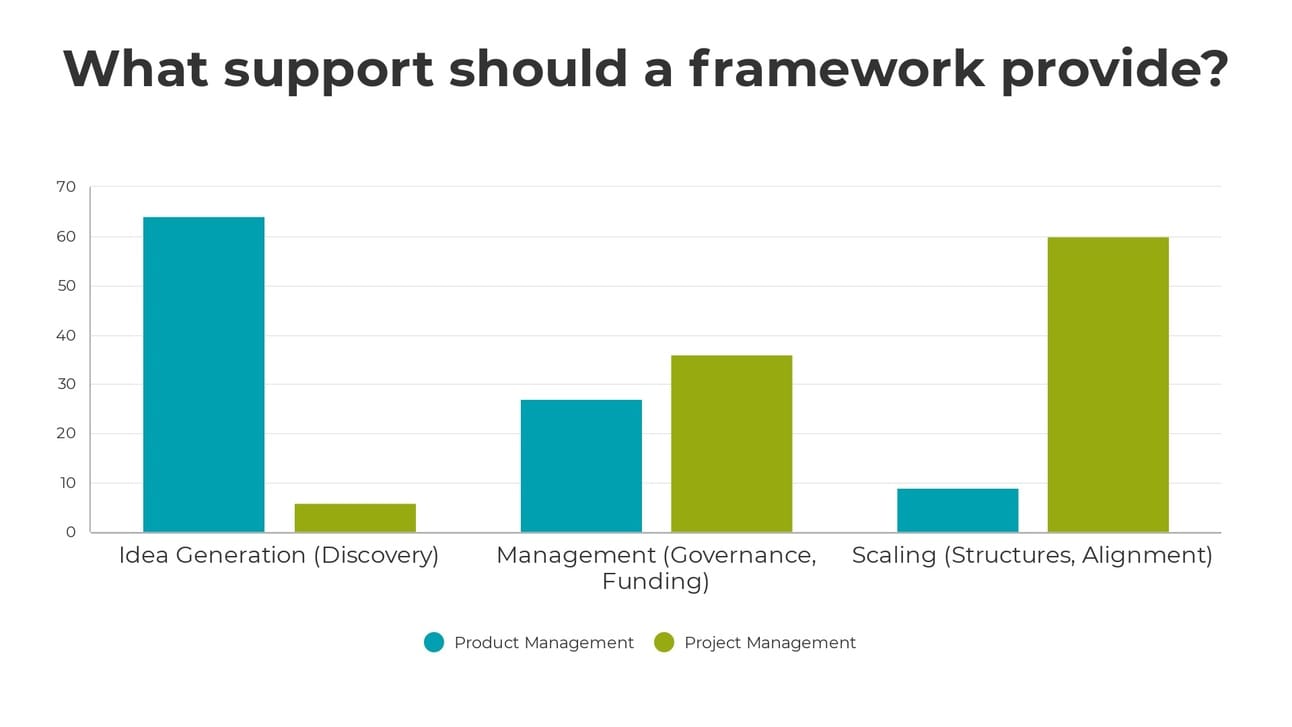
People don't think in systems
Since most organisations are structured in departments and functions, the impact of this siloed focus is that most agile implementations actually turn into Water-Scrum-Fall. To gather more data, I ran a poll on LinkedIn to gauge why people felt that this happened in their place o
Read edition ↗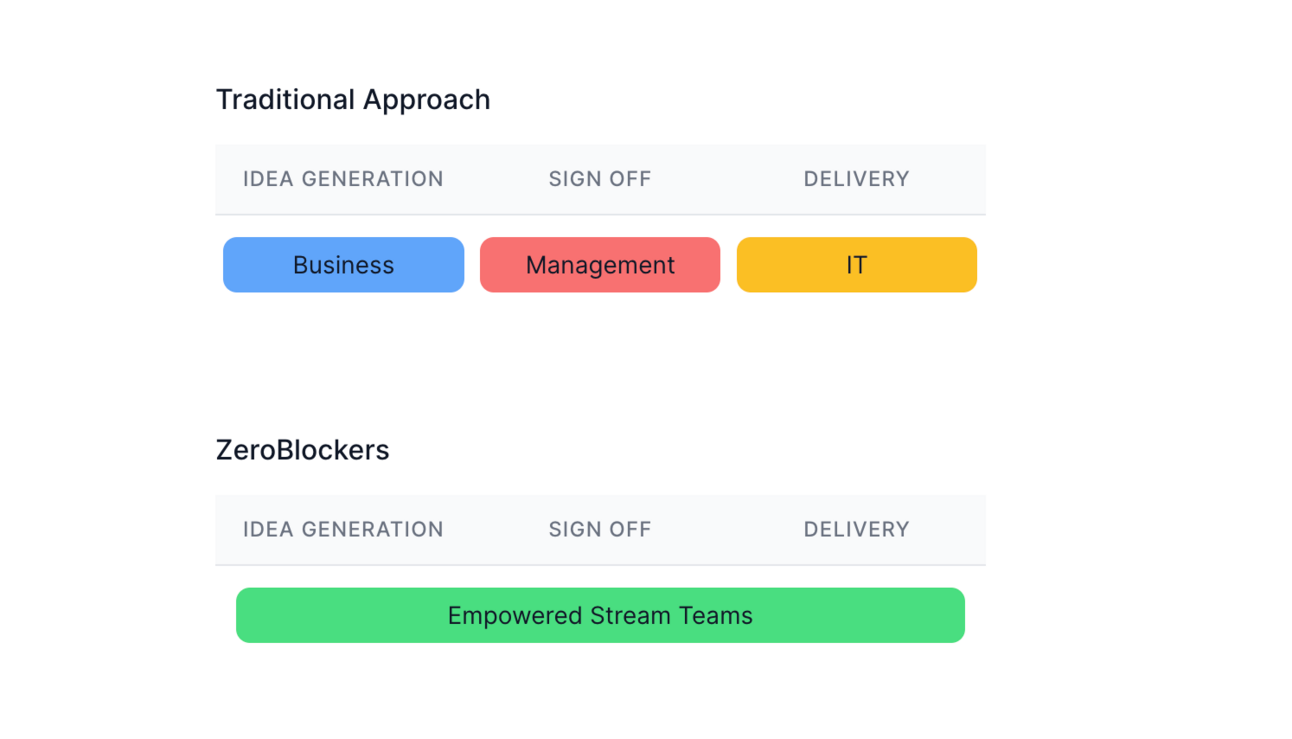
Processes need visions too
Processes are just a collection of best practices based on the context that we are working in. The thing is that the context that we are working in is always changing - so our processes need to change too.
Read edition ↗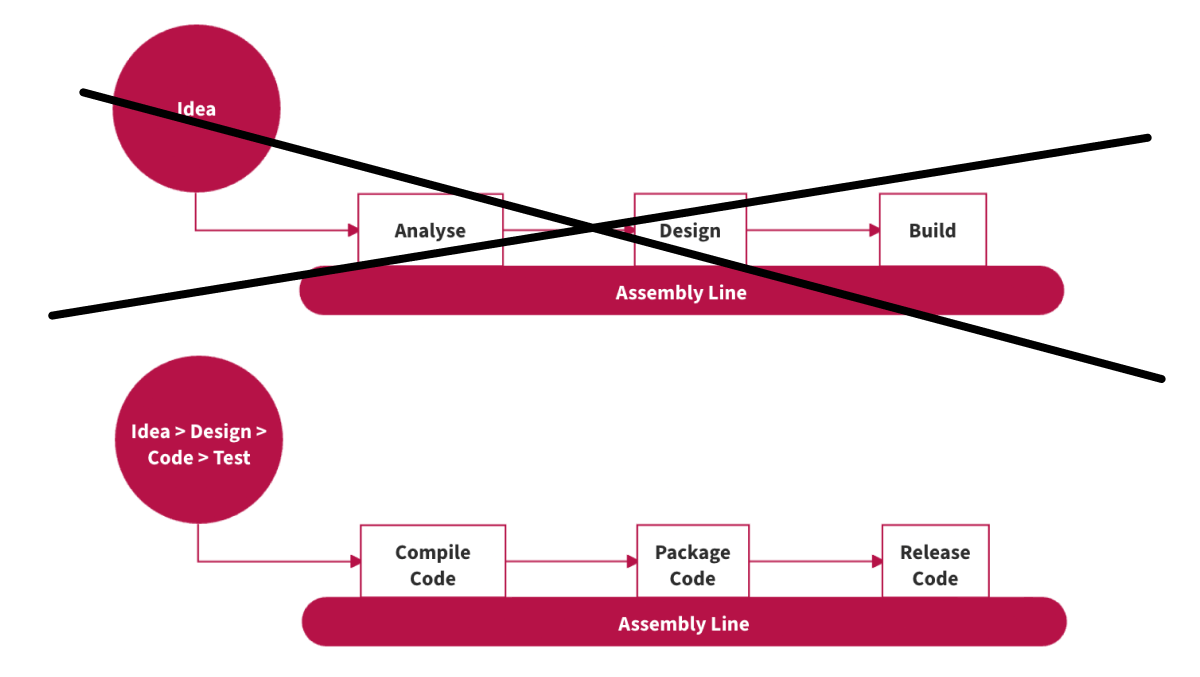
Why we need another agile framework
Research by Ron Kohavi shows that only 10% of features developed at Netflix were delivering the expected business value and only 8% at Airbnb. And these are industry leading tech companies. The results in other industries are likely to be even worse.
Read edition ↗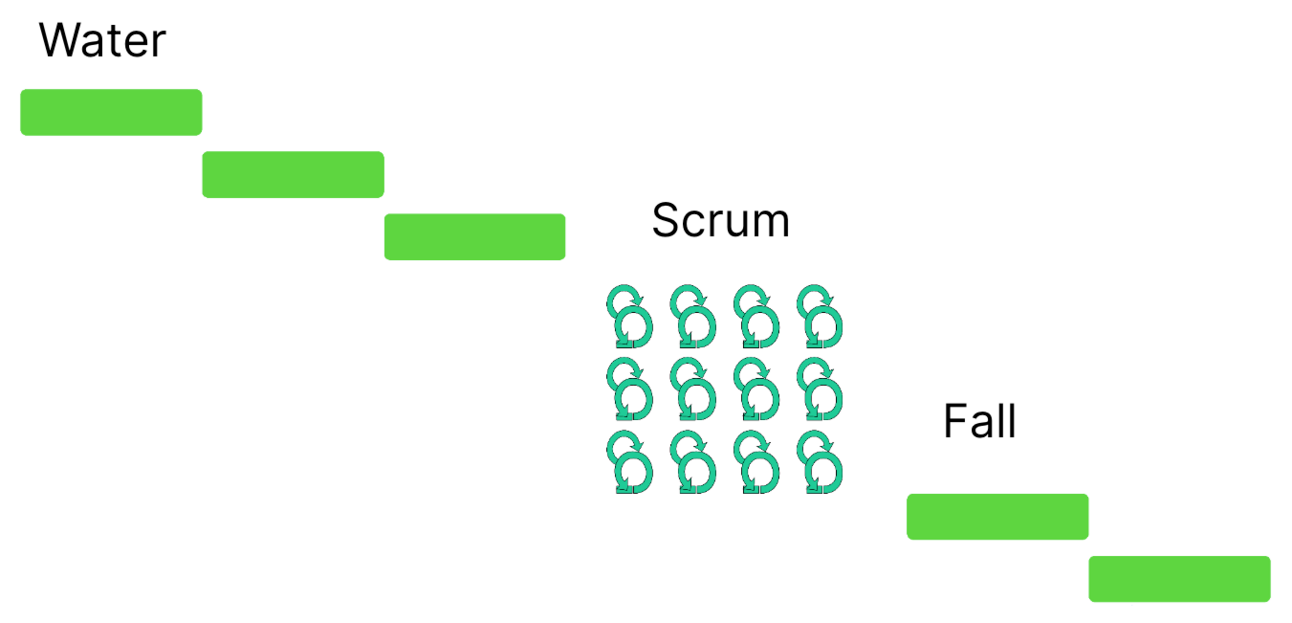
How Scrum turns into Water-Scrum-Fall
Scrum came to prominence as an off-the-shelf replacement for the waterfall process. People are busy running their companies and building their products so they don't have time to think about software development practices from first principles. Scrum solved this problem by provid
Read edition ↗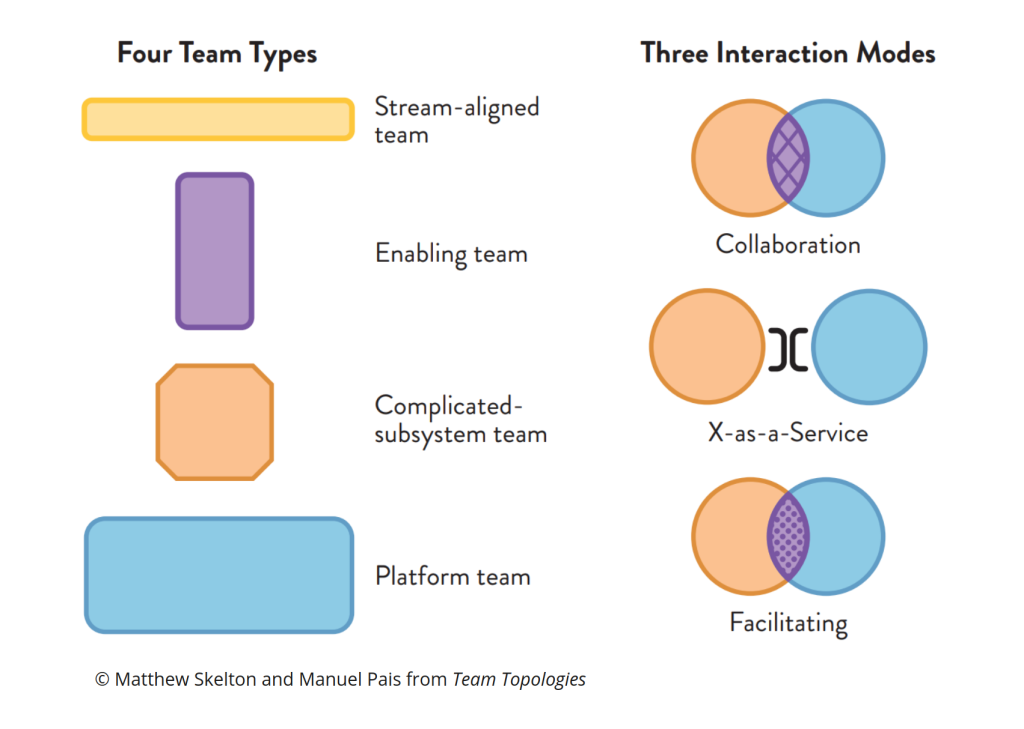
Expanding on Team Topologies
Team Topologies has quickly become the de facto guide for how to structure technology teams, and more importantly, the ways that the teams interact.
Read edition ↗
Why the phrase "If Agile Isn't working, you're doing it wrong" is wrong
It has been 23 years since the Agile Manifesto was published, and 20 years since the first book on Scrum was published. In that time, Agile replaced waterfall as the dominant methodology for software development. But despite its popularity, the results are still poor. On-time and
Read edition ↗
Data to Insights: The Challenges in Developer Relations
A worked example of creating an interview snapshot for sharing insights from customer delivery interviews based on an interview with Richard Rodger around the challenges of getting buy in for devrel.
Read edition ↗
Getting stakeholder buy-in for Developer Relations
Richard Rodger shares the challenges that developer-enabled companies face in trying to improve the quality of their APIs.
Read edition ↗
Getting to Zero
Removing the blocking dependencies in your product development process that lead to bad products.
Read edition ↗